
Adapalene and Azelaic Acid: A Simple, Effective Routine for Clear Skin
You’re considering adapalene and azelaic acid for your routine, and that’s a fantastic strategy for tackling acne and uneven tone-let’s make sure you do it safely.
- Master the layering order: I’ll show you exactly how to apply them to maximize results and minimize irritation.
- See why they work so well together: Understand how azelaic acid can soothe the dryness adapalene sometimes causes.
- Create your personal schedule: Walk away with a clear plan for fitting both into your morning or evening steps.
This combination is a game-changer when you approach it with care.
Your Ingredient Primer: Meet Adapalene and Azelaic Acid
Think of your skincare routine like a team sport. You need players with different, complementary skills to win the game for clearer, calmer skin. Adapalene and azelaic acid are two star players that work exceptionally well on the same team.
First, let’s talk about adapalene. This is a type of retinoid, but it’s not a harsh scrub that physically exfoliates. Instead, it’s a cell-communicating ingredient. I explain to clients like Maya that it works like a traffic director for your skin cells. It tells them to move along at a normal, healthy pace. This prevents dead cells from clogging pores (a major cause of acne) and helps smooth skin texture over time.
Next is azelaic acid, one of my favorite gentle multitaskers. If adapalene is the traffic director, azelaic acid is the soothing referee on the field. It calms down redness and inflammation, quietly fades post-acne dark spots, and even fights the bacteria that can lead to breakouts. It’s a fantastic choice for someone like Noah, who has reactive skin, or Lina, who deals with both oiliness and sensitivity.
Their mechanisms are perfectly complementary, which is why pairing them can be so effective for tackling acne and post-inflammatory hyperpigmentation from multiple angles.
The Golden Rule: How to Layer Them Safely
So, can you use adapalene and azelaic acid together in the same routine? Absolutely. The key is the order of application.
The core principle is simple: apply the thinner, water-based product first. In this duo, that’s almost always your azelaic acid serum. Think of it like this: you wouldn’t put a thick winter coat on and then try to put a thin t-shirt over it. The t-shirt needs to go on first to touch your skin directly.
Here is your recommended evening routine order:
- Cleanse your face with a gentle, pH-balanced cleanser.
- Pat your skin dry and apply a thin layer of your azelaic acid serum or cream.
- Wait 1-2 minutes for it to absorb fully. This is a good time to brush your teeth!
- Apply your adapalene gel or cream.
- Follow with your moisturizer to seal in hydration and support your skin barrier.
Applying the thinner azelaic acid first allows it to absorb properly without the slightly more occlusive adapalene creating a barrier on top of it. This way, both ingredients can get to work where they’re needed most.
Morning vs. Night: Timing Your Treatments
For most people, I recommend using both adapalene and azelaic acid in your evening routine. This maximizes their efficacy while minimizing potential sun sensitivity, and it simplifies your regimen. Using them together at night is often more effective for seeing results.
That said, azelaic acid is stable and gentle enough for morning use. If you want an extra boost, you can use your azelaic acid serum in the morning for its antioxidant benefits and calming effect under your sunscreen. Just remember, adapalene stays in your nighttime routine.
Combining them in the evening streamlines your process and lets these powerhouse ingredients work in sync while your skin repairs itself overnight.
Building Tolerance: A Sample Start-Up Schedule
If you have sensitive or reactive skin like my client Noah, rushing into a new active routine is a recipe for irritation. Your skin needs time to build a friendship with these ingredients. Here is a conservative, week-by-week schedule to follow.
Weeks 1 & 2: Start by introducing adapalene alone. Use a pea-sized amount, two nights a week (e.g., Monday and Thursday). On other nights, focus on gentle cleansing, moisturizing, and sunscreen.
Week 3: If your skin is tolerating the adapalene well, introduce your azelaic acid. On an “off” night from adapalene (e.g., Wednesday), apply azelaic acid after cleansing, followed by moisturizer.
Week 4 & Beyond: Slowly start pairing them. Try using both azelaic acid and adapalene together on one of your regular adapalene nights. Gradually increase the frequency as your skin allows, aiming for the full evening routine outlined above.
Listening to your skin is non-negotiable. If you experience significant stinging, redness, or peeling, slow down. Take an extra night off to moisturize and repair. It’s a marathon, not a sprint, and letting your skin adjust is how you build a lasting, effective routine.
The Care and Feeding of Your Skin Barrier
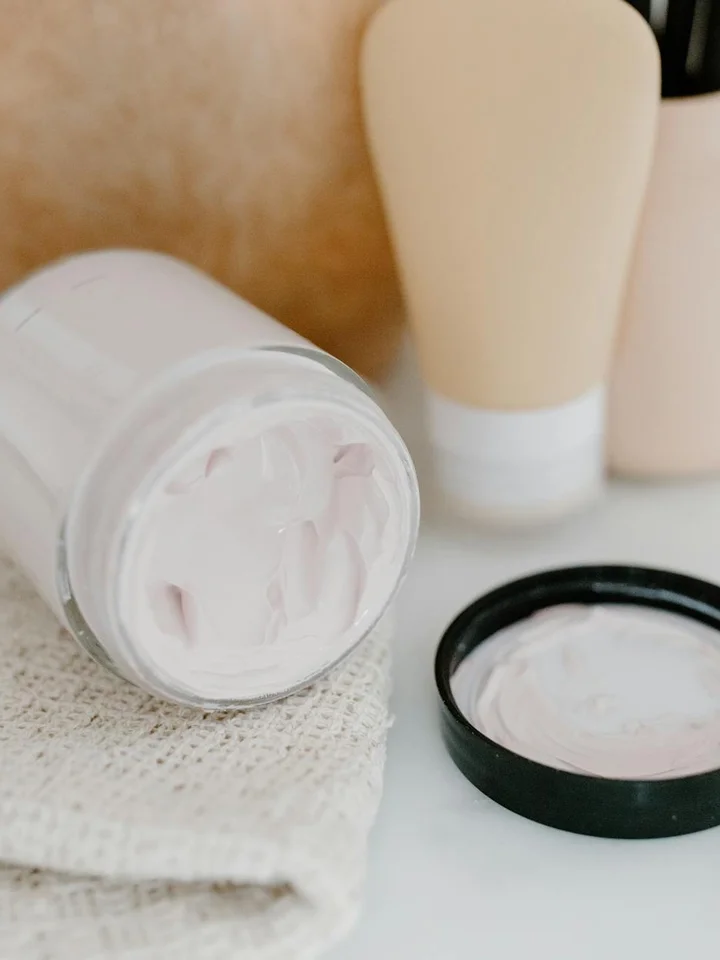
Think of your skin barrier as the brick wall that protects your skin. When you introduce actives like adapalene and azelaic acid, you’re asking that wall to work harder and repair itself faster. Moisturizer is the non-negotiable mortar that holds those bricks together, preventing cracks, irritation, and dehydration. Skipping it is like using powerful cleaning chemicals without gloves.
Why Moisturizer is Your Safety Net
Both adapalene and azelaic acid can be drying. Adapalene increases skin cell turnover, which can temporarily weaken barrier function, while azelaic acid, though soothing, can have a mild drying effect. A good moisturizer does three critical jobs, especially when using it with adapalene:
- Traps water in your skin to counteract dryness and peeling.
- Creates a protective buffer that can minimize stinging and redness.
- Supports your skin’s natural repair process so the actives can work effectively without causing a meltdown.
My client Noah, with his dry, reactive skin, learned this the hard way. He started adapalene alone and ended up with tight, flaky skin. Only when he committed to a consistent moisturizing step did the irritation calm down and the benefits shine through. Using moisturizers compatible with adapalene made all the difference.
The “Sandwich Method” for Sensitive Skin
If your skin tends to react easily or feels dry from the start, the “sandwich method” is your best friend. This technique layers moisturizer around your active treatment to gently ease your skin into the routine.
- First Layer (The Base): Apply your usual fragrance-free moisturizer to slightly damp skin. This gives your barrier an immediate dose of hydration and protection.
- Middle Layer (The Active): Wait 5-10 minutes for the moisturizer to fully absorb. Then, apply a pea-sized amount of your adapalene or azelaic acid treatment.
- Top Layer (The Seal): After another 5-10 minutes, apply a second, thin layer of your moisturizer. This final step seals everything in and adds an extra cushion.
This method doesn’t reduce the efficacy of your treatments, but it dramatically increases your skin’s tolerance. You can use this technique every time or phase it out as your skin builds resilience.
Choosing Your Barrier Repair Team
Not all moisturizers are created equal for this specific job. When your barrier is under stress from actives, you want formulas that repair, not just moisturize.
Look for simple, fragrance-free creams that contain barrier-supporting ingredients like ceramides, fatty acids, and cholesterol. These are the natural building blocks of your skin’s protective layer. A cream with ceramides is like giving your skin the exact materials it needs to patch up any weak spots overnight.
Avoid anything with heavy fragrance, essential oils, or a long list of potential irritants. The goal is to soothe and fortify. A plain, effective barrier repair cream used consistently is far more powerful than the most expensive luxury product when you’re on this kind of routine.
The Interaction Matrix: What to Mix and What to Avoid
Think of your skincare routine like a delicate recipe. Some ingredients work beautifully together, while others can spoil the whole dish. When you’re using two active ingredients like adapalene and azelaic acid, knowing what else you can safely add is key to avoiding irritation and getting the best results.
This table is your quick-reference guide. Remember, these are general guidelines. Your skin’s tolerance is the ultimate test, so always introduce one new product at a time and patch test first.
| Safe & Synergistic | Proceed with Caution | Do Not Combine |
|
Gentle, pH-balanced cleansers. A simple, non-stripping wash is the perfect foundation. Hyaluronic acid and glycerin. These humectants pull water into the skin and are friendly to all actives. Together, they form a reliable hydrator for a wide range of formulas. We’ll dive into hyaluronic acid glycerin humectants in the next steps. Niacinamide (5% or less). This calming ingredient can actually help support your skin barrier alongside your treatments. It strengthens the skin’s protective barrier and helps reduce moisture loss, with more on niacinamide skin barrier benefits linked in the next steps. Basic, fragrance-free moisturizers. Look for ceramides and squalane to lock in moisture without interference. |
Other retinoids (tretinoin, retinol). Using multiple retinoids together is a fast track to redness and peeling. Pick one. Strong exfoliating acids (glycolic, lactic, salicylic). Both adapalene and azelaic acid exfoliate. Adding another acid, like glycolic or salicylic acid, dramatically increases the risk of over-exfoliation, damaging your skin barrier. High concentrations of vitamin C (ascorbic acid). This can be irritating on sensitive days. If you use it, apply it in the morning only. |
Benzoyl peroxide (with certain adapalene formulas). Some prescription adapalene gels already contain BP. Adding more can cause excessive dryness and irritation. Other prescription topicals (like clindamycin) unless your doctor says so. Your derm designed your regimen for a reason. Physical scrubs or cleansing brushes. Your skin is already getting plenty of exfoliation. Scrubbing it will cause micro-tears and inflammation. |
Your Simple Evening Routine Blueprint
Consistency is more important than complexity. This simple, effective routine minimizes irritation and lets both ingredients do their job. Think of it like building a sandwich: you need the bread (cleanse/moisturize) to hold the good stuff (your actives) together.
- Cleanse: Use a gentle, creamy or gel cleanser with lukewarm water to remove makeup, sunscreen, and the day’s grime.
- Apply Azelaic Acid: On dry skin, apply a pea-sized amount of azelaic acid cream or gel. Gently smooth it over your entire face or just target areas like the cheeks and chin.
- The Pro-Tip Wait: Here’s the secret for comfort. Set a timer for 5 minutes and let the azelaic acid dry down completely. This creates a slight buffer and prevents the adapalene from dragging the azelaic acid deeper, which can cause stinging.
- Apply Adapalene: Take another pea-sized amount of adapalene and dot it on your forehead, cheeks, and chin, then blend outward. Avoid the sensitive skin right around your eyes and lips.
- Moisturize: After another minute or two, seal everything in with a good, basic moisturizer. This step is non-negotiable for keeping your skin barrier happy.
For my client Maya (oily, acne-prone), a lightweight, gel-based moisturizer feels perfect and won’t clog pores. Lina (combination, sensitive) does well applying a richer cream only to her drier cheeks after her overall lighter moisturizer.
Contraindications and Safety Warnings
Combining these two powerhouses is a strategy, not a free-for-all. Your skin’s current condition and your personal health are the most important factors to consider before you begin.
Pregnancy, Breastfeeding, and Pre-Conception
This is my non-negotiable starting point. If you are pregnant, breastfeeding, or actively trying to conceive, you must consult your doctor or dermatologist before using adapalene. While some forms of azelaic acid are considered pregnancy-safe, adapalene is a retinoid and its use during pregnancy is not recommended due to potential risks. Do not begin this combination without explicit medical guidance tailored to your personal health.
Compromised Skin is a No-Go Zone
Think of your skin barrier like a protective wall. If that wall is actively broken down, adding actives is like throwing ingredients into an open wound. I tell clients like Noah, who has reactive skin, to always wait. Do not apply adapalene or azelaic acid to skin that is actively sunburned, has open cuts, is weeping from eczema, or has widespread, angry breakouts. The irritation will be intense and counterproductive, slowing your overall healing.
It reminds me of a time a client came in with a windburned face, eager to tackle some post-breakout marks. We paused the treatment plan for a full week, focusing only on a gentle cleanser, a ceramide moisturizer, and sunscreen. Once her skin felt calm and uniform to the touch, we slowly reintroduced her azelaic acid.
Allergies and Barrier Repair First
Known allergies are a clear stop sign. If you’ve had a reaction to a retinoid or azelaic acid product before, this combo isn’t for you. More commonly, I see people whose skin barriers are just too weak to start.
Signs of a severely compromised barrier include skin that stings when you apply any product, feels tight and rough like paper, appears shiny and red in patches, or flakes constantly. In this state, your skin is screaming for help, not more challenge. If your skin barrier is severely compromised, your only routine should be focused on repair for several weeks before considering this combination.
This means using a fragrance-free, soap-free cleanser and a bland moisturizer with ingredients like ceramides, cholesterol, and fatty acids. It’s not glamorous, but it’s the necessary foundation. Once your skin can tolerate its basic products without any stinging or tightness, you can consider a very slow, patch-tested introduction.
Reading Your Skin’s Signals: When to Pause or Adjust
When you start using powerful ingredients like adapalene and azelaic acid, your skin will talk to you. Learning its language is the key to success.
Think of the initial phase as your skin’s training period. Some mild, temporary reactions are expected and actually show the ingredients are working to renew your skin. This is often called “retinization” with adapalene.
Normal adjustment includes mild dryness, slight peeling (like fine flakes), or a bit of tightness. It’s similar to the feeling after a good workout for your muscles. My client Maya experienced this; her oily skin got a little flaky around her chin for the first two weeks, but it settled down as she stuck with a gentle moisturizer.
How to Spot Real Trouble
Concerning irritation is different. It’s your skin’s way of saying, “This is too much, too fast.” You need to listen.
Signs that mean you should stop and reassess include persistent stinging or burning that lasts more than an hour, severe redness that looks like a rash, intense itching, or painful eczema-like flares. If your skin feels hot, raw, or visibly angry, that’s not adjustment. That’s overload.
My client Noah, who has reactive skin, once described a bad reaction as a “constant prickling sensation” that made his face feel windburned all day. That was our signal to hit pause.
Your Action Plan for Irritation
If you see those concerning signals, don’t panic. Follow this simple plan.
- Take a full break from both adapalene and azelaic acid for 2 to 3 nights.
- Switch to a bare bones, soothing routine: a gentle cleanser, a fragrance free moisturizer, and sunscreen.
- Let your skin barrier recover. You can even apply your moisturizer to damp skin to lock in extra hydration.
After the break, reintroduce one product at a time. Start with azelaic acid every other night for a week. If your skin tolerates it well, then you can carefully add back the adapalene, perhaps using the “short contact” method (applying it for 10 minutes before rinsing off) to rebuild tolerance.
The golden rule is to reintroduce products slowly, giving your skin days to show you it’s okay with each new step.
The Light at the End of the Tunnel
Here is the reassuring part. For most people, that initial sensitivity does fade. Your skin adapts and becomes more resilient. What felt strong and drying at week one often feels perfectly normal by week six.
With consistent, careful use, your skin builds up a tolerance, allowing you to reap the long term benefits without the daily drama of irritation. Lina, with her combination skin, powered through a brief period of cheek redness. Now, she uses both ingredients without issue and her texture and brightness have improved dramatically. Patience is not just a virtue here, it’s the strategy.
What to Expect: The Timeline for Results
When you introduce a powerful duo like adapalene and azelaic acid, your skin needs time to adjust and respond. Think of this process not as a quick fix, but as a steady conversation with your skin cells, encouraging them to behave better. Here’s a realistic look at the journey.
The Adjustment Period: Weeks 2-6
This is where patience is your most important product. As adapalene starts accelerating skin cell turnover, you might experience some flaking or dryness, especially around the mouth and chin. For those with acne-prone skin, like my client Maya, this increased turnover can bring underlying clogs to the surface, leading to a temporary “purge.”
This phase can be discouraging, but it’s often a sign the retinoid is working. Your job is to support your barrier, not quit.
- Expect: Possible dryness, slight flaking, or a short-term increase in breakouts.
- Your Focus: Gentle cleansing, a good moisturizer, and unwavering sunscreen use every morning. Do not add other exfoliating acids during this time.
- Key Reminder: If you experience severe redness, burning, or cracking, scale back to using the combination every other night and buffer with moisturizer.
Seeing Calm: Weeks 4-8
If you stay consistent, you’ll likely start to see the first encouraging signs. The azelaic acid is now fully onboard, working to calm inflammation and target the bacteria that fuel acne. For someone like Noah, who deals with reactive redness often associated with rosacea, this is often when he first notices a more even tone.
Active breakouts may become less frequent, less severe, and heal faster. General redness and that constant feeling of low-grade inflammation begin to subside. This is your reward for getting through the initial adjustment-your skin starts feeling quieter.
The Transformation: 3-6 Months of Consistent Use
The real magic—improving texture and fading marks—requires dedication. Adapalene’s long-term work on cell renewal and collagen, combined with azelaic acid’s ability to block pigment production, makes them a formidable team against post-acne scars and rough skin.
This is where Lina, with her combination skin, sees her old acne marks on her cheeks gradually fade and the texture on her T-zone become smoother. New breakouts may still happen, especially around hormonal cycles, but they tend to be minor and resolve quickly.
Significant improvement in skin clarity, smoothness, and hyperpigmentation is a marathon, not a sprint, built on nightly consistency. Perfection isn’t the goal; a healthier, more resilient skin baseline is.
Your Combination Routine Questions, Answered
How can I minimize irritation when starting this combination?
The single most effective strategy is the “sandwich method.” Apply your moisturizer, then your actives, then another light layer of moisturizer to buffer and soothe the skin.
What’s the best way to adjust frequency if my skin is tolerating it well?
Gradually increase usage based on your skin’s response. If you started using them together twice a week with no irritation, you can try adding a third night the following week.
Are there any specific product types I should avoid in my broader routine?
Avoid physical scrubs, cleansing brushes, and other potent exfoliating acids (like glycolic or salicylic acid). Your skin is already getting ample exfoliation from this combination, and extra mechanical or chemical exfoliation can damage your barrier.
Final Thoughts on a Powerful Pair
Combining adapalene and azelaic acid can transform your skin, but the key to success is a slow and observant start. Think of it not as a race, but as a careful introduction between two powerful allies that need to learn how to work together on your unique skin.
- Always apply adapalene first to clean, dry skin and follow with azelaic acid after a brief wait.
- Begin using this combination just 2-3 nights per week to see how your skin responds.
- If you experience persistent stinging, redness, or peeling, scale back and focus on your moisturizer and sunscreen.
- Sun protection is non-negotiable every single morning, as both ingredients can increase sun sensitivity.
- Give your skin at least 8-12 weeks to show consistent improvement before judging the results.
If you have questions about your specific routine, bring them to your dermatologist or licensed esthetician. For more guidance that fits our ethos of clean, conscious care, follow along right here on the LuciDerma blog. Your skin’s journey is personal, and getting it right is always worth the patience.
Lucy Zimmerman
Lucy is an expert author and blogger when it comes to skin care and body care. She has first hand expertise acting as skin care consultant for over 5+ years helping her clients achieve smooth blemish free skin with natural and working remedies. She also has been an avid experimenter and tried out all the natural and artificial remedies and treatments so you can learn from her first hand experience. Additionally, she has traveled to many countries around the world and incorporated the skin care routines she has learnt into this blog. So, wait no more, reach out to Lucy if you have any specific needs and follow her blog, LuciDerma for expert skin care advice.