
Acid Treatments for Acne and Hyperpigmentation: Your Expert Guide to Clearer Skin
Choosing an acid treatment can feel confusing with so many options, but I’ve seen firsthand how the right one transforms skin-let’s find yours together.
By the end of this article, you will know exactly how to:
- Match specific acids like salicylic or glycolic to your skin concern-because targeting acne differs from fading dark spots-so you see real results faster.
- Use acids safely in your daily routine-preventing redness or damage-to keep your skin barrier healthy and strong.
- Pick ethical, effective products that fit your values-focusing on cruelty-free and sustainable choices-for a routine you can feel good about.
Your journey to happier skin starts with these simple, trusted steps.
Your Simple Guide to How Skin Acids Actually Work
Let’s clear something up right away. When I say “acid” in my treatment room, I don’t mean a harsh, scary chemical. I’m talking about a gentle helper. Think of skin acids as masterful exfoliants. Their main job is to help your skin shed its oldest, dullest surface cells in a controlled, predictable way. Different acids have distinct exfoliating powers that suit different skin types. We’ll explore how these properties align with your skin’s needs.
Here’s the simple science. Your skin cells are held together by a kind of “glue” made of lipids and proteins. As we age, or deal with congestion and sun damage, this shedding process can slow down. Dead cells stick around, leading to a rough texture, a dull look, and clogged pores. Acids work by gently loosening that glue between the cells.
Imagine you have a wooden deck with layers of old, flaking paint. You wouldn’t take a power sander to it right away. You’d use a gentle paint scraper to carefully lift the top layers, revealing the fresh, smooth wood underneath without damaging the structure. That’s what a well-formulated acid does for your skin.
A product’s pH and overall formulation determine how gentle or effective an acid will be, which is why you should focus less on fear and more on finding a well-made product suited to your skin. A low concentration of a strong acid in a poorly balanced formula can be irritating, while a higher concentration of a gentle acid in a soothing base can work wonders for sensitive skin.
For this guide, we’re focusing on the topical, leave-on treatments you can use safely at home, not the intense professional peels done in a clinic.
How to Match the Right Acid to Your Skin Type and Biggest Concern
The best way to choose is to start with your primary goal. What’s the one skin issue you’d most like to see improve? Use that as your compass. Here’s a simple decision tree to point you in the right direction.
If your main concern is acne and clogged pores, start by looking at Salicylic Acid (a BHA). This oil-soluble acid can actually get inside your pores to dissolve the mix of oil and dead skin that causes clogs. It’s a frontline defender for blackheads and whiteheads. For my client Maya, who has oily, acne-prone skin, a salicylic acid cleanser used a few times a week helps keep congestion at bay without over-drying.
If your main concern is dark spots and sun damage (hyperpigmentation), start by looking at Glycolic Acid or Azelaic Acid. Glycolic acid, an AHA, is a champion at surface-level exfoliation to fade dark marks by speeding up cell turnover. Azelaic acid is a brilliant multi-tasker; it gently exfoliates to improve discoloration while also calming redness and fighting acne bacteria, making it a perfect “acid for acne dark spots.”
If your main concern is rough texture and dullness, start by looking at Lactic Acid or Mandelic Acid (both AHAs). These are slightly gentler than glycolic acid but excellent at smoothing skin’s feel and restoring radiance. Lactic acid also has hydrating properties.
Your skin type is the critical filter for this decision. Oily skin (like Maya’s) can often tolerate slightly stronger or more frequent exfoliation, but caution is still key. Overdoing it can damage your skin barrier and ironically trigger more oil production.
If you have sensitive, reactive, or rosacea-prone skin (like my client Noah), you need to lean toward the gentlest acid options. This is where PHAs (like gluconolactone) and mandelic acid shine. They have larger molecules that penetrate more slowly, providing exfoliation with minimal sting or irritation. Noah found his sweet spot with a PHA toner used just twice a week to smooth texture without any redness.
For combination skin like Lina’s, the strategy is often to use a gentler acid all over and a more targeted treatment (like salicylic acid) just on the oily T-zone as needed. Always, always patch test a new acid product on your jawline for a few days before applying it to your whole face.
The Best Acids for Stubborn Acne and Congested Pores
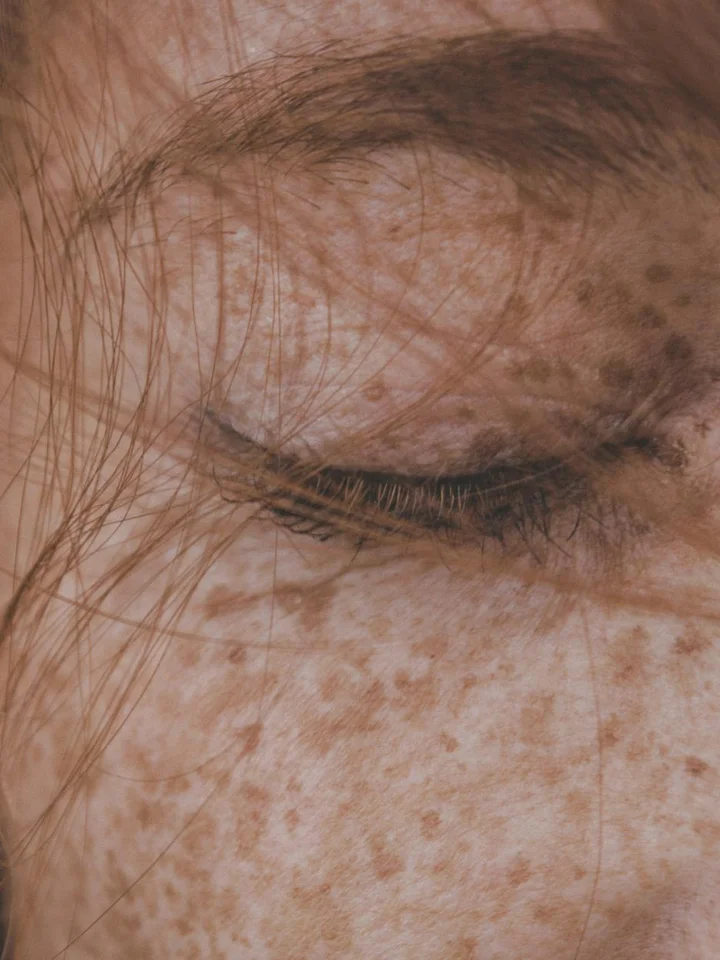
Clients often come to me with one core question: what acid will finally clear my acne? The answer depends on your acne type. For deep, painful bumps and blackheads, you need acids that can work inside the pore itself.
Salicylic Acid (BHA): The Pore Purger
Think of your pores like tiny kitchen drains. Oil and dead skin can clog them up. Water-based cleansers rinse the surface, but salicylic acid is oil-soluble. This means it can dissolve into the oily plug, break it apart, and clear the blockage from the inside out.
Yes, overusing salicylic acid can make acne worse by damaging your skin barrier, leading to more irritation and breakouts. I see this often when someone uses a high-strength daily toner on already inflamed skin, especially if they don’t understand how to manage salicylic acid sensitivities.
Start gently. Use a salicylic acid cleanser, letting it sit on your skin for 60 seconds before rinsing. Or, try a serum with 0.5% to 2% salicylic acid just two or three nights a week. This is the exact approach that worked for my client Maya, who found daily use was too much for her oily, acne-prone skin.
Azelaic Acid: The Soothing Multitasker
If your acne comes with a side of redness and lingering dark marks, meet your new best friend. Azelaic acid is a brilliant multitasker. It targets the bacteria that cause acne while simultaneously calming inflammation and fading post-acne discoloration. It’s also commonly recommended for calming rosacea-related redness, helping reduce facial flushing and visible redness. That makes azelaic acid a versatile option for both acne-prone and rosacea-prone skin.
This makes it a top-tier choice for anyone with acne who also has sensitive or redness-prone skin. It’s effective yet often feels gentler than other acne fighters. You can find it in prescription strengths (like 15-20% gel) and over-the-counter formulas (usually around 10%). My cautious client Noah, who has dry, reactive skin, found an OTC azelaic acid serum was a game-changer for his occasional hormonal breakouts without causing dryness.
Mandelic Acid (AHA): The Gentle Giant for Acne
Derived from bitter almonds, mandelic acid has the largest molecule size of the common AHAs. This is a good thing for angry, inflamed acne. Because it’s larger, it penetrates the skin more slowly and gently, providing exfoliation with a lower risk of instant irritation.
While glycolic acid (a smaller AHA) can sometimes irritate active breakouts, mandelic acid is typically better tolerated. It’s excellent for treating the surface bumps and texture issues that come with acne, especially if your skin is on the sensitive side. Think of it as the gentle giant of the acid world for breakout-prone skin. If you’re deciding between mandelic acid and glycolic acid for sensitive skin, mandelic acid is often the gentler choice without sacrificing results.
The Best Acids for Fading Dark Spots and Healing Acne Scars
After a breakout calms down, the real work often begins: dealing with the marks it left behind. These marks are usually post-inflammatory hyperpigmentation (PIH)-flat spots of discoloration. For this, we use acids that encourage faster skin renewal and directly target pigment.
Glycolic Acid (AHA): The Surface Refiner
With the smallest molecule size among AHAs, glycolic acid is a powerful surface exfoliant. It dissolves the “glue” holding dead skin cells together, revealing fresher, smoother skin underneath. This process helps fade dark spots by speeding up your skin’s natural turnover rate, especially when used consistently over time.
Glycolic acid does help with acne by keeping pores clear of dead skin buildup and improving overall texture, which prevents future clogs. But its strength is also its warning. It can be irritating. Always start with a low concentration (5-7%) in a wash-off or leave-on formula once a week, and never skip moisturizer and sunscreen after. For glycolic acid sensitive skin, consider a patch test and starting with an even lower concentration. If in doubt, consult a dermatologist to tailor a safe approach.
Lactic Acid (AHA): The Hydrating Brightener
If glycolic acid feels too intense, lactic acid is a fantastic alternative. It’s a slightly larger molecule and is also a natural humectant, meaning it helps your skin hold onto water. This gives you brightening exfoliation with a side of hydration.
This makes it ideal for combination or dry skin types dealing with dark spots. My client Lina, who has combination skin, uses a lactic acid serum on her drier cheeks to fade old marks without causing tightness, while using salicylic acid only on her oily T-zone. Lactic acid is particularly effective for the post-inflammatory hyperpigmentation that lingers after a pimple heals.
Vitamin C (Ascorbic Acid): The Antioxidant Powerhouse
Vitamin C is not an exfoliating acid in the traditional sense. Its superpower is as an antioxidant. It inhibits the enzyme (tyrosinase) responsible for creating melanin, the pigment in dark spots. It also helps defend your skin from free radicals that can worsen discoloration.
For the best results, use a stable vitamin C serum in the morning. Applying vitamin C before your sunscreen creates a powerful team that protects your skin and actively works to prevent new dark spots from forming while fading old ones. Look for formulas with L-ascorbic acid, and store them in a cool, dark place to maintain their potency.
Acid Treatments for Rough Patches, Bumps, and Sensitive Conditions
Acids aren’t just for your face. They can be game-changers for specific body and scalp concerns, but you need the right approach. Here’s how to think about them for tricky skin conditions.
Does Glycolic Acid Help Keratosis Pilaris and Seborrheic Dermatitis?
For those rough “chicken skin” bumps on arms and thighs (keratosis pilaris), gentle chemical exfoliation is a smart strategy. KP happens when a protein called keratin builds up and plugs hair follicles. An acid like glycolic or lactic acid works by dissolving that sticky buildup, smoothing the skin’s surface.
I often recommend a body lotion with a low concentration (5-10%) of glycolic or lactic acid to clients like Noah, applying it a few times a week to damp skin after showering. Consistency matters more than strength here. It’s a marathon, not a sprint, to keep those bumps at bay.
Seborrheic dermatitis, which shows up as flaky, red, sometimes itchy patches on the scalp, face, or chest, is a different story. The potential benefit of a very mild acid (like salicylic acid) is to lift away the flaky scale. But the risk of irritation is high because this condition already involves inflammation.
If you want to experiment, a diluted, rinse-off product like a salicylic acid shampoo is a more cautious starting point than a leave-on face serum. Given the inflammatory nature of seborrheic dermatitis, getting a dermatologist’s plan is your safest and most effective first step.
Can People with Eczema Use Glycolic Acid?
My safety-first answer is no, not on active eczema. Eczema means your skin barrier is severely compromised, like a brick wall with huge gaps in the mortar. Applying a potent exfoliant like glycolic acid is like sending in a power washer-it will cause more damage, stinging, and potential infection.
Your only goal during a flare-up is barrier repair with gentle, fragrance-free moisturizers and creams prescribed by your doctor. Exfoliation of any kind can wait until the skin is fully calm and healed for several weeks.
For maintenance on calm, eczema-prone skin, the only acid I might cautiously consider is a Polyhydroxy Acid (PHA). Even then, it requires a patch test behind the ear for a week and starting with once-weekly application. Listen to your skin. If you feel any tingle or see redness, stop.
Polyhydroxy Acids (PHAs): The Ultimate Sensitive Skin Acid
Meet the gentle giants: Polyhydroxy Acids (PHAs) like gluconolactone and lactobionic acid. Their molecules are larger than glycolic or salicylic acid, so they don’t penetrate as deeply or quickly. This makes them far less likely to cause stinging or irritation.
Gentle exfoliation with PHAs is a key benefit, as these acids pull moisture into the skin and act as antioxidants. They’re perfect for my client Lina, who has sensitive, combination skin and wants to smooth texture without the drama. They’re also the ideal “starter acid” for anyone new to chemical exfoliation or with reactive skin like Noah’s. Think of them as a soothing, hydraining treatment that happens to exfoliate. Exploring exfoliants like AHAs and BHAs alongside PHAs helps tailor results to skin type. AHAs smooth surface texture, BHAs target pore congestion, and PHAs balance exfoliation with hydration.
Your Acid Molecule Spec Sheet: pH, Strength, and Safety
This quick-reference table cuts through the noise. Remember, a product’s effectiveness depends on both the concentration (how much acid is in it) and its pH (how acidic the formula is). Always patch test a new product on a small area of skin for a week before full application.
Important Contraindications and How to Use Acids Safely
Think of acids like a skilled carpenter: fantastic for remodeling, but you wouldn’t want one working on a house that’s currently on fire. Using an acid on compromised skin is a surefire way to intensify problems. I learned this early with a client, Noah, who tried to push through a mild eczema flare with his usual glycolic acid. We spent the next two weeks repairing his barrier instead of treating his hyperpigmentation.
Before you even open a new bottle, run through this “When to Pause or Avoid” checklist.
- Active eczema, rosacea flares, or broken skin. Acids will sting and worsen inflammation on skin that’s already irritated or has open wounds.
- Recently waxed or shaved skin. Your skin barrier is microscopically damaged and vulnerable. Wait at least 2-3 days.
- Using prescription retinoids without a derm’s okay. Combining potent actives is a recipe for over-exfoliation. Your dermatologist can create a safe schedule.
- Pregnancy or breastfeeding. Always consult your doctor. Many clinicians recommend avoiding high-dose salicylic acid (like peels) and sticking to gentle, low-concentration glycolic or lactic acid formulas, but your OB-GYN’s advice is final.
Once you’ve cleared those checks, follow these non-negotiable rules. They are your safety net.
- Always patch test a new acid on a small area of your jawline or inner arm for a few nights.
- Always use a broad-spectrum sunscreen every single morning. Acids make new skin cells more photosensitive.
- Never start multiple new acids (or any new active ingredients) at the same time. Introduce one at a time, spaced two weeks apart.
Your skin will tell you if you’re doing too much. Listen to it. Signs of over-exfoliation aren’t subtle.
- Persistent redness, stinging with gentle products, or a feeling of heat.
- Skin that looks shiny and tight but doesn’t feel plump or hydrated.
- Increased flakiness, tiny bumps, or unusual breakouts.
If you see these signs, start your “acid vacation” recovery plan immediately.
- Stop all acids, retinoids, and physical scrubs.
- Switch to a routine of only a gentle cleanser, a soothing moisturizer with ceramides or panthenol, and your sunscreen.
- Give your skin at least one full week, sometimes two, of this simple care until all irritation fully calms down.
Recovering your barrier is always the priority, because you can’t effectively treat your skin if it’s wounded.
How to Build a Gentle, Effective Acid Treatment Routine
Building an acid routine is like training for a 5K. You wouldn’t run ten miles on your first day. You start slow, listen to your body, and consistently support it with good fuel and rest. For your skin, the “fuel and rest” are hydration and barrier repair.
Let’s map out a beginner’s schedule. We’ll use a gentle PHA or low-percentage mandelic acid toner as our starting point, as these are least likely to cause irritation.
Here is a step-by-step weekly sample schedule for your first month.
- Weeks 1 & 2: Use your acid toner only one night this week (e.g., Tuesday). Apply it after cleansing on dry skin, wait 60 seconds, then follow with your moisturizer.
- Weeks 3 & 4: If your skin tolerated one night well, add a second night (e.g., Tuesday and Friday). This is your new baseline for at least a month.
- Month 2 and Beyond: Only if your skin seems to want more (no sensitivity, goals not yet met), you could consider using it every other evening. Most people see great results with 2-3 nights a week.
Layering is all about order. Apply your products from thinnest to thickest consistency.
- Cleanser (on dry skin if using an oil-based first).
- Acid treatment (toner, serum, or lightweight treatment).
- Wait 60-90 seconds for it to absorb and finish its work.
- Hydrating serum or treatment (like a hyaluronic acid or niacinamide serum).
- Moisturizer.
- Face oil (if you use one, this seals everything in).
Acids generally belong in your evening routine, as they can make skin more sun-sensitive and this is when your skin does its deepest repair work. The exception is very gentle PHAs, which can sometimes be used in a morning rinse-off wash.
Remember my client Lina? She has combination skin and was eager to tackle both acne and pigmentation. We started her on a mandelic acid serum just two nights a week. On the other nights, she used a hydrating serum and a calming moisturizer rich in squalane. This balance allowed the acid to work effectively without tipping her sensitive cheeks into irritation. Moisturizing isn’t a separate step from your acid treatment, it’s the essential support system that keeps your skin barrier strong and resilient so the acids can do their job properly.
Your Acid Treatment Questions, Answered
Are amino acids good for treating acne?
Amino acids themselves are not exfoliating acids for treating active breakouts. Instead, think of them as essential building blocks that help repair and strengthen your skin’s moisture barrier, which is crucial for acne-prone skin recovering from harsher treatments.
What is the best acid for treating acne scars?
For the discoloration (hyperpigmentation) left by acne, azelaic acid is a top choice as it fades marks while calming redness. For gently smoothing textured scars, mandelic acid provides effective resurfacing with a lower risk of irritation, making it excellent for sensitive or darker skin tones.
Can I combine different acids in my routine?
Proceed with great caution and never layer two different leave-on acid treatments simultaneously, as this can compromise your skin barrier. A safer strategy is to use different acids on alternate nights or choose a professionally formulated product that blends complementary acids at stable, effective concentrations.
Your Path to Healthier Skin with Acids
The most reliable path to success with any acid is to start slow and pay close attention. Your skin’s feedback is the most valuable guide you have, far more important than any product label or trend. Consistency with a gentle, well-formulated product will always outperform aggressive, sporadic use.
- Always perform a patch test on your inner arm before applying any new acid to your face.
- Begin using any new treatment once or twice a week, only increasing frequency if your skin tolerates it well.
- Sun protection is non-negotiable; acids make your skin more sensitive to UV damage.
- If your skin stings, burns, or becomes overly red and flaky, take a break and focus on soothing, barrier-repair ingredients.
- Remember that “clinical-strength” does not mean “better for you”; a lower concentration used consistently is often more effective.
I’m here to help you navigate these choices. For more guidance tailored to concerns like yours, explore other articles right here on the LuciDerma blog. If you have a specific question about your routine, feel free to reach out-I read every message. My goal is to provide clear, compassionate advice that empowers you to make confident, ethical choices for your skin’s long-term health.
Deep Dive: Further Reading
- Types Of Acids Used in Hyperpigmentation Treatment And How To Pick The Right One – Kirsch Dermatology
- A practical guide to over‐the‐counter treatments for hyperpigmentation – Jafry – 2024 – JEADV Clinical Practice – Wiley Online Library
- Hyperpigmentation Treatment: Acids, Peels, Lasers, and More
Written by Lucy Zimmerman. Lucy is an expert author and blogger when it comes to skin care and body care. She has first hand expertise acting as skin care consultant for over 5+ years helping her clients achieve smooth blemish free skin with natural and working remedies. She also has been an avid experimenter and tried out all the natural and artificial remedies and treatments so you can learn from her first hand experience. Additionally, she has traveled to many countries around the world and incorporated the skin care routines she has learnt into this blog. So, wait no more, reach out to Lucy if you have any specific needs and follow her blog, LuciDerma for expert skin care advice.