
Bioderma and Biore for Acne-Prone Skin: Your Non-Comedogenic Ingredient Guide
If you’re managing acne, you’re right to question whether every product will clog your pores. I’m here to give you a clear, ingredient-focused look at Bioderma and Biore so you can shop without second-guessing.
This analysis will help you move past the marketing and focus on what matters for your skin. Here is what you will know how to do:
- Interpret non-comedogenic claims based on ingredient science, not just packaging.
- Identify specific ingredients in common Bioderma and Biore products that could trigger breakouts.
- Confidently pick items from these brands that align with a clear-skin routine.
Let’s get you the straightforward answers you need for happier skin.
What Does “Non-Comedogenic” Really Mean for Your Skin?
Think of your pores as tiny tunnels. “Non-comedogenic” is a promise that a product’s ingredients are less likely to clog those tunnels and form a plug, which is what a comedo (the medical name for a blackhead or whitehead) really is.
It’s a helpful term, but there’s a catch. No government agency regulates it. Any brand can put it on a label. That means the term itself isn’t a guarantee. The real proof is in the ingredient list, not the marketing claim on the front of the bottle.
Here’s the other key piece: a brand is not universally “safe” or “unsafe.” One of their moisturizers might be perfect for your acne-prone skin, while a heavy cream from the same brand could cause breakouts. You have to judge each product, not the entire line.
This is why we’re looking at Bioderma and Biore. They come from different philosophies-one is about gentle balance, the other about active clearing-and both have popular products that acne-prone folks ask about constantly. Let’s see what’s actually in them.
Bioderma for Acne-Prone Skin: A Gentle, French Pharmacy Approach
Bioderma’s core philosophy isn’t about declaring war on oil. It’s about respecting your skin’s ecosystem. Their research focuses on maintaining a healthy skin barrier and a balanced microbiome. For acne-prone skin, this is a smart approach, as stripping your barrier can lead to more oil and more irritation.
So, are Bioderma products non-comedogenic? The answer is specific to each product. Their lines are designed for different skin states. A product from their Sebium line (for oily, blemish-prone skin) is formulated with a much different ingredient mindset than a product from their Atoderm line (for very dry, compromised skin). With Bioderma, you must choose the line that matches your skin’s needs, as that dictates the ingredient safety for you, especially when considering comedogenic ratings of common skincare ingredients.
Key Bioderma Ingredients That Play Nice with Acne
When Bioderma formulates for oily or blemish-prone skin, they lean on some brilliant, skin-friendly actives:
- Niacinamide (Vitamin B3): This is a superstar. In concentrations around 2-5%, it helps regulate sebum production, reduces redness and the appearance of pores, and strengthens the skin barrier. It’s calming, not aggressive.
- Zinc (often as Zinc Sulfate or Zinc Gluconate): Zinc is mildly astringent and has anti-inflammatory properties. It helps calm angry, red bumps and supports the skin’s healing process.
- Mild Surfactants (like Coco-Betaine): In cleansers, these provide a gentle foam that removes excess oil and impurities without leaving skin tight and squeaky, which can trigger more oil production.
My client Maya (oily, acne-prone, 28) responds really well to formulas built around these ingredients. They manage her oil without making her skin feel stripped or reactive.
Bioderma Product Deep Dives for Blemish-Prone Skin
Let’s apply this to the products you’re asking about.
Sensibio H2O Micellar Water: The iconic pink cap. Is Bioderma micellar water non comedogenic? Its formula is famously simple. The micelles (tiny oil-cleaning molecules) are rinsed away with water, and the formula lacks heavy oils or waxes that could linger and clog pores. For most, it’s a very safe first cleanse. Some readers worry about micellar water comedogenic breakouts. Used as directed, it’s typically gentle and non-clogging. If you are supremely clog-prone, a quick water rinse after using it is a foolproof step to ensure no residue remains.
Sebium Hydra: This is a great example of Bioderma’s balanced thinking. It’s a moisturizer for oily skin that feels light but provides real hydration. It uses niacinamide and a non-comedogenic sugar-based polymer to hydrate, avoiding heavy butters or oils. It’s designed not to feed breakouts.
Atoderm Intensive Baume: Is Bioderma Atoderm cream non comedogenic? This is where context is everything. The Atoderm line is for dry to very dry, irritated skin. The Intensive Baume is rich, containing shea butter and other emollients essential for repairing a broken barrier. For someone like my client Noah (dry, reactive, 45), this is a savior. For someone with Maya’s oily, acne-prone skin, applying this all over her face would likely be a pore-clogging mistake. It’s an excellent product, but only for the skin type it was designed for.
Potential Bioderma Ingredients That Might Cause Trouble
To say “Is Bioderma comedogenic?” as a brand misses the point. The risk lies in choosing a product from a line not meant for your concerns. For oily, acneic skin, watch out for these in richer Bioderma products. For acne-prone skin, non-comedogenic moisturizers can provide essential hydration without clogging pores.
- Heavy Emollients: Ingredients like shea butter, coconut oil derivatives, or certain mineral oil fractions are superb for dry skin but can be too occlusive for oily, clog-prone types.
- Fragrance: Some Bioderma lines include fragrance or masking fragrance. While not comedogenic, fragrance is a common irritant. For sensitive, acne-prone skin, irritation can worsen breakouts.
The bottom line is that Bioderma is not a “one-size-fits-all” brand. You get its benefits by carefully matching the product line to your skin’s current condition.
Biore for Acne-Prone Skin: The Japanese Oil-Control Specialist
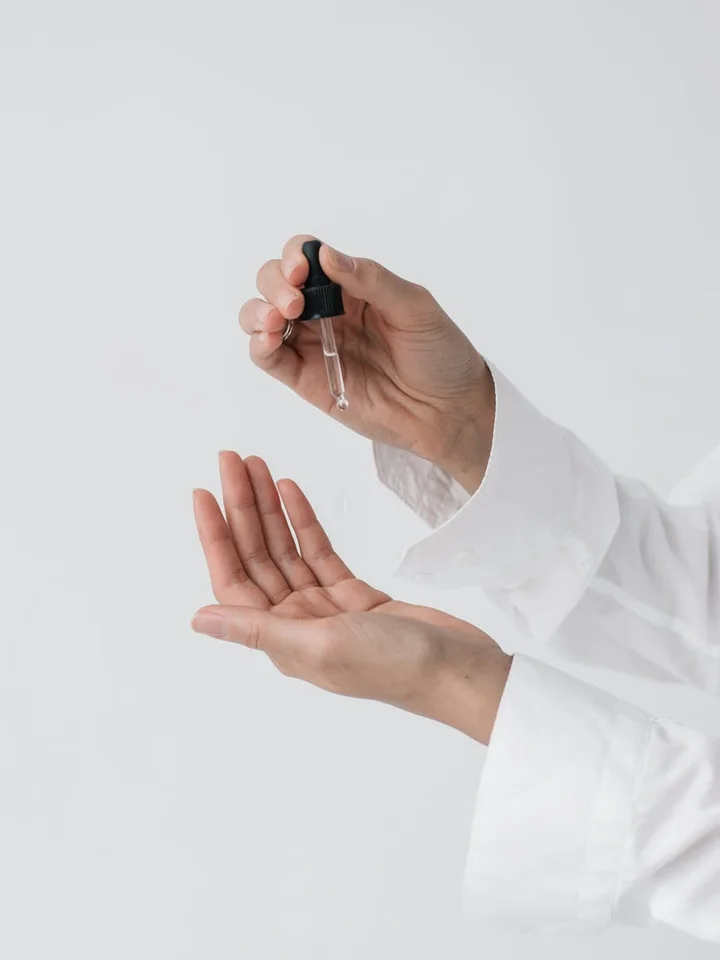
Biore takes a different approach from Bioderma. Their philosophy often focuses on immediate, tangible results like matte skin and visibly smaller-looking pores, using stronger active ingredients to get there. They are the specialists in targeting surface oil and grit.
This brings us to the main question: are Biore products non-comedogenic? The answer is nuanced. Many Biore products are formulated to be oil-free and are marketed to prevent clogged pores, but the brand’s primary goal is deep cleansing and oil control, not necessarily barrier repair. For acne-prone skin, a product can be “oil-free” but still contain ingredients that irritate or dry out your skin, leading to a damaged barrier and more breakouts in the long run. Brands assess non-comedogenic formulations to balance pore safety with overall skin tolerance. Labels and claims are the result of testing across different skin types and conditions. Their effectiveness depends heavily on your skin’s tolerance.
Key Biore Ingredients That Target Oil and Pores
Biore leans on a powerful trio to combat shine and congestion. Here’s how they work:
- Activated Charcoal: Think of it like a magnet for oil and impurities. It binds to sebum and dirt in your pores, helping to draw them out during cleansing, which can make pores appear less noticeable.
- Salicylic Acid (BHA): This is the oil-soluble exfoliant. It gets inside your pores to dissolve the sticky mix of dead skin cells and sebum that forms clogs. It’s a gold-standard ingredient for treating and preventing blackheads and inflammatory acne.
- Witch Hazel: This natural astringent provides an immediate tightening, mattifying sensation on the skin. It can temporarily reduce the appearance of pores by constricting them, but its high tannin content can be sensitizing for some.
Biore Product Deep Dives for Blemish-Prone Skin
Let’s look at some of their most popular offerings through a clinical lens.
Charcoal Cleansers & Pore Strips: These are the quintessential Biore experience. A charcoal cleanser can be a great weekly treatment for my client Maya, who deals with a lot of surface oil. But used daily, it can strip the skin. Pore strips are a physical extraction method. The pros: they can provide instant, satisfying results by removing blackheads. The cons: they only remove the very top of a clog, don’t prevent new ones, and can be harsh on your pore lining and surface skin if used too often.
Lightweight Sunscreens (like the Aqua Rich Watery Essence): These are famous for their non-greasy, quick-absorbing finish. The comedogenic risk here is generally low due to their fluid, often alcohol-heavy formulas that avoid heavy oils. However, that high alcohol content is the double-edged sword. It creates that beautiful feather-light feel but can be profoundly drying and irritating over time, potentially triggering more oil production as your skin tries to compensate. On acne-prone skin, opt for non-comedogenic, oil-free formulas to minimize pore congestion. These lightweight options can help keep skin clear while protecting it from sun.
Potential Biore Ingredients That Might Cause Trouble
For sensitive or barrier-compromised skin, some Biore hallmarks are red flags.
- High Concentrations of Denatured Alcohol (SD Alcohol, Ethanol): While it provides a quick-drying finish, alcohol is a potent degreaser. It can disrupt your skin’s natural lipid barrier, leading to dryness, irritation, and reactive redness or breakouts. This is a major concern for someone like Noah.
- Strong Fragrances & Physical Scrubs: Added fragrance is a common irritant. Physical scrubs with rough particles can cause micro-tears in the skin, worsening inflammation for acne-prone or sensitive types.
Remember, “oil-free” is not a magic synonym for “non-comedogenic.” An oil-free product can still contain pore-clogging ingredients like certain waxes or fatty alcohols, or it can be so harsh it damages your barrier and causes breakouts that way. If you have oily skin, choosing non-comedogenic makeup can help keep pores clear without adding shine. This matters especially for foundation and powders you wear daily. Always look at the full ingredient list and listen to your skin’s response.
Side-by-Side: How to Choose Between Bioderma and Biore
Choosing between these brands comes down to your skin’s primary need: repair or refine. Bioderma’s philosophy is about strengthening your skin’s barrier to help it self-regulate. Biore’s philosophy is about actively managing oil and pore appearance, sometimes with more aggressive tactics.
So, how do they compare on non-comedogenic claims? Bioderma builds its formulas from the ground up with barrier integrity in mind, making them a safer, more gentle bet for reactive skin. Biore formulates for immediate oil and pore results, which can work for resilient, oily skin but carries a higher risk of irritation for others.
Let’s put this into practice with our client stories. For my client Maya (oily, acne-prone, 28), who is patient and methodical, Bioderma’s Sebium line could be a perfect foundation. Its zinc and mild salicylic acid would manage oil and breakouts without torching her barrier. She might add a Biore charcoal mask as an occasional weekly treatment for her T-zone, but she wouldn’t rely on their strongest cleansers daily.
For someone like Noah (dry, reactive, 45), I would caution against most Biore cleansers and astringents. The high alcohol and fragrance would likely trigger irritation and worsen his dryness. His thoughtful, cautious approach is better matched with Bioderma’s Atoderm or Sensibio lines, which focus on repair and hydration without compromise.
Building Your Safe Routine: How to Integrate These Products
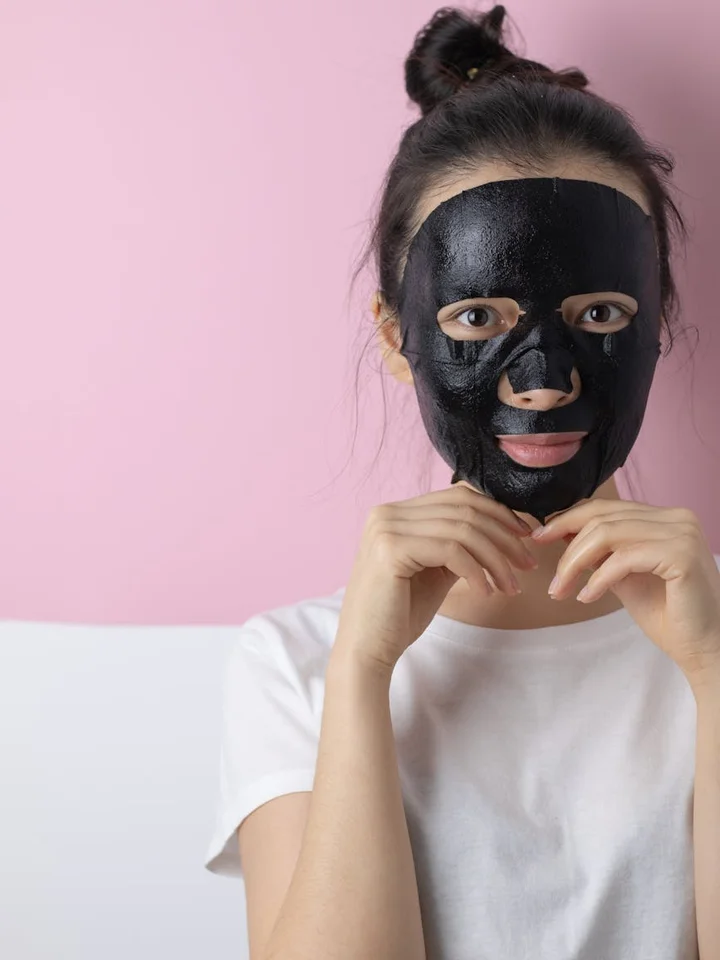
Knowing a product’s ingredient list is one thing. Knowing how to safely weave it into your life is another. Let’s translate that analysis into a practical, gentle routine.
A Sample Framework for Acne-Prone Skin
This framework uses potential picks from both brands. Think of it as a blueprint you can adapt. My client Maya, who has oily, acne-prone skin, follows a version of this.
Morning Routine (Focus: Cleanse, Protect, Light Hydration)
- Cleanser: Rinse with lukewarm water or use a tiny amount of a gentle, low-pH gel like Bioderma Sensibio Gel Moussant. The goal is to remove overnight sweat, not strip your skin.
- Treatment (Optional): If using a treatment serum like a BHA, apply it to dry skin now. For many, morning is a good time for a quick swipe with Bioderma Sébium Pore Refiner.
- Moisturizer: A lightweight, non-comedogenic moisturizer. Look for gels or fluid formulas.
- Sunscreen (NON-NEGOTIABLE): Apply a generous layer. A Biore UV Aqua Rich Watery Essence could work here if your skin tolerates the alcohol. If not, a mineral or gentler chemical sunscreen is key.
Evening Routine (Focus: Thorough Cleansing, Active Treatment, Repair)
- First Cleanse: To remove sunscreen and makeup. Bioderma Sensibio H2O Micellar Water is a brilliant, gentle option for this.
- Second Cleanse: A gentle foaming or gel cleanser to wash away any residue. This is where you might use a Biore Baking Soda Cleanser, but only if your skin isn’t sensitive and only 2-3 times a week at most.
- Treatment: This is your main active treatment time. After cleansing, apply your treatment serum (like a retinoid or AHA/BHA) to completely dry skin. Wait 10-15 minutes before the next step.
- Moisturizer: Apply your moisturizer to seal in hydration and support your skin barrier as it recovers overnight.
The Non-Negotiable First Step: Patch Testing
I tell every client, from cautious Noah to curious Lina, the same thing: never skip the patch test. A “non-comedogenic” label is not a guarantee your unique skin will agree.
Apply a small amount of the new product behind your ear or on the inside of your forearm for 5-7 days. If you see no reaction, test it on a small, less visible area of your face (like along your jaw) for another week. This slow method helps you identify delayed reactions or congestion before committing your whole face.
Gentleness Over Power: Why You Shouldn’t Over-Cleanse
Acne-prone skin often feels like it needs a fierce, squeaky-clean clean. That feeling is a trap. Over-cleansing or using overly stripping products (even those labeled for acne) can damage your moisture barrier. It’s important to moisturize properly, especially when dealing with acne-prone skin.
A compromised barrier means more inflammation, more sensitivity, and often, more breakouts as your skin overcompensates with oil. If your skin feels tight, shiny, or itchy after washing, you’ve gone too far. Think of cleansing as a gentle reset, not a punishment for your pores.
Contraindications & Safety Warnings
Smart skincare is safe skincare. Here are critical boundaries to respect.
- Pregnancy & Nursing: Always consult your doctor before introducing new actives. Ingredients like salicylic acid (BHA), certain chemical sunscreens, and high-dose retinoids are often advised against.
- Sensitized Skin or a Damaged Barrier: If your skin is stinging, red, or peeling from other treatments, pause all new products and actives. Focus only on a gentle cleanser, a bland moisturizer, and sunscreen until your skin recovers.
- Biore Pore Strips & Inflamed Cysts: This is crucial. Never use a pore strip on an active, inflamed, or deep cyst. The adhesive pull can rupture the follicle wall deeper in the skin, significantly worsening inflammation and increasing the risk of scarring and post-inflammatory hyperpigmentation. These are meant for superficial blackheads only.
- Mixing Actives: Do not layer strong exfoliating acids (like BHAs and AHAs) or use them simultaneously with retinoids unless you have significant experience and your skin tolerates it. This is a fast track to irritation.
Your Quick Guide to Bioderma & Biore for Acne-Prone Skin
How do I choose between Bioderma and Biore for my acne-prone skin?
Think of your skin’s primary need: if it’s sensitive, reactive, or needs barrier repair, Bioderma’s gentle philosophy is a safer bet. If you have resilient, oily skin focused on immediate shine and pore control, Biore’s active approach may suit you-but monitor for dryness.
Can you recommend a specific product from each brand for oily, clog-prone skin?
From Bioderma, the Sebium Hydra moisturizer is formulated with non-comedogenic hydrators to balance oily skin. From Biore, their Charcoal Cleanser can be effective as a weekly treatment for deep-cleaning, but avoid daily use to prevent barrier disruption.
What’s the biggest mistake people make when using these brands for acne?
Choosing a product from the wrong line for their skin type, like using Bioderma’s rich Atoderm cream on oily skin or Biore’s alcohol-heavy formulas on dry, sensitive skin. Always match the product to your current skin condition, not just the brand name.
Your Clear Path to Clearer Skin
Your most powerful tool is the ingredient list, not the brand name. By learning to spot a few key pore-cloggers and skin-soothers, you move from guessing to choosing with confidence.
- Always check the full ingredient list against your known triggers, even for products labeled “non-comedogenic” or “for oily skin.”
- Start any new product with a patch test behind your ear or on your jawline for a few nights to see how your skin reacts.
- Focus your routine on proven, gentle actives like niacinamide and salicylic acid, and never skip your lightweight, non-comedogenic moisturizer.
- Remember that a product can be non-comedogenic for most but still cause issues for you-your skin’s unique response is the final verdict.
Have a specific Bioderma or Biore product you’re wondering about? Share your questions with us. We’re here to help you read between the lines of labels because your skin’s health is a journey we support every step of the way.
Research and Related Sources
- Review: The best non comedogenic moisturizer for sensitive skin [Updated] – A younger skin
- 6 Best Non Comedogenic Bioderma Moisturizers In 2025 | SkinSort
- Best Fungal Acne Safe Non Comedogenic Biore Sunscreens
- Non-Comedogenic/Won’t Clog Pores BIODERMA | Walgreens
- 6 Best Non Comedogenic Biore Sunscreens In 2025 | SkinSort
- 8 Best Non Comedogenic Bioderma Moisturizers In 2025 | SkinSort
- Micellar waters for sensitive, oily or dry skin | BIODERMA US
- Bioderma ingredients (Explained)
- Cleansers and moisturizers for oily skin – SÉBIUM | BIODERMA US
Lucy Zimmerman
Lucy is an expert author and blogger when it comes to skin care and body care. She has first hand expertise acting as skin care consultant for over 5+ years helping her clients achieve smooth blemish free skin with natural and working remedies. She also has been an avid experimenter and tried out all the natural and artificial remedies and treatments so you can learn from her first hand experience. Additionally, she has traveled to many countries around the world and incorporated the skin care routines she has learnt into this blog. So, wait no more, reach out to Lucy if you have any specific needs and follow her blog, LuciDerma for expert skin care advice.