
Comedogenic Ratings of Corn, Tapioca, Rice & Potato Starch in Skincare: Your Clear Skin Guide
Wondering if that mattifying powder will break you out? As an esthetician, I help clients like Maya navigate ingredient lists, starting with the comedogenic ratings of common starches.
Here’s what you’ll learn from this article:
- See the comedogenic rating for corn, tapioca, rice, and potato starch and how each one affects your pores.
- Learn why these starches are used in products and which skin types they suit best.
- Get simple tips to pick skincare that won’t clog your pores or cause irritation.
You’ll soon read labels with confidence and keep your skin clear.
Comedogenic Ratings Decoded: What That Number Really Means for Your Pores
Let’s clear up the confusion. A comedogenic rating is a scale from 0 to 5 that tries to predict how likely an ingredient is to clog your pores. A 0 means it’s very unlikely to clog, while a 5 suggests a high chance. It’s a tool, not a commandment—especially considering the variability in common skincare ingredients.
Those numbers come from old tests on rabbit ears, which are far from perfect. Rabbit skin is more sensitive than human skin, and the tests often used pure ingredients slathered in high concentrations, not the finished product you smooth on your face. Think of the rating like a weather forecast for your pores-helpful for planning, but your personal skin is the real terrain it has to work on.
This is why formulation is king. How an ingredient is used-its particle size, what it’s mixed with, and how much is in the bottle-changes everything. A potentially pore-clogging oil in a heavy, occlusive cream might cause trouble for my client Maya, but the same oil, highly refined and in a tiny percentage in a wash-off cleanser, likely won’t. Always consider the final product.
The Starch Molecule Spec Sheet: A Quick Science Snapshot
Before we look at individual starches, let’s understand the labels on our spec sheet. This isn’t just chemistry trivia; it helps you predict how a product will feel and behave.
- Source: Where the ingredient comes from.
- Primary Function: Its main job in the formula, like absorbing oil or creating a silky feel.
- pH Range: Most starches are around neutral (pH 7), which means they’re gentle and unlikely to disrupt your skin’s barrier.
- Solubility: This tells you if it mixes well with water or oil. It affects the product’s final texture-a water-soluble starch might feel lighter.
- General Safety Notes: A quick glance at any important considerations for sensitive skin.
Most pure, cosmetic-grade starches are considered safe, non-irritating ingredients. They’re often chosen for their gentle, skin-softening properties.
Remember, an ingredient’s potential to cause a reaction depends on your unique skin. A patch test behind your ear or on your inner arm for a few days is the only true test. For someone like Noah with dry, reactive skin, seeing “starch” in a rich, barrier-repair cream is very different from Maya finding it in an oil-absorbing primer. The formula tells the full story.
Rating the Powders: A Deep Dive on Corn, Tapioca, Rice & Potato

Let’s get specific. A comedogenic scale from 0 to 5 helps us predict clogging potential, with 5 being the highest risk. Remember, these ratings are guides, not guarantees for every single person.
What is the comedogenic rating of corn starch?
Corn starch typically gets a comedogenic rating of 2 to 3. This means it has a moderate potential to clog pores for some people. The particles are generally larger than other starches, which can allow them to sit within the pore opening if used heavily.
You’ll find it most often as a super absorbent ingredient in body powders, dry shampoos, and some setting powders. It’s great for soaking up sweat and oil.
My client Maya, who has an oily T-zone, finds that loose powders with a lot of corn starch can sometimes feel a bit heavy and cakey on her by midday. For oily skin, non-comedogenic makeup can help prevent pore clogging while keeping a lighter finish. Opt for oil-free or non-comedogenic blends to help manage shine throughout the day. If you’re very acne-prone, you might prefer to use it on your body rather than your face, or look for blends that use lighter powders.
What is the comedogenic rating of tapioca starch?
Tapioca starch is often considered more forgiving, with a comedogenic rating usually cited between 1 and 2. It’s generally a safer bet for many skin types.
This starch is prized for its fine, silky texture. It gives products a smooth, soft-focus matte finish without always looking or feeling powdery. Think of tapioca as the finer, lighter cousin in the starch family compared to corn.
It performs the same oil-absorbing job but often feels more elegant on the skin.
What is the comedogenic rating of rice starch?
Rice starch enjoys a great reputation, with a low comedogenic rating of 1. It’s frequently recommended for sensitive and reactive skin types because it’s so gentle.
Beyond just absorbing excess oil, it may have mild soothing properties that can calm slight redness. If corn starch is like a thick, absorbent bath towel, rice starch is more like a soft, gentle blotting paper. It does the job without being abrasive or heavy, which is why my client Noah, with his dry, reactive skin, tolerates it well in mineral sunscreens.
What is the comedogenic rating of potato starch?
Potato starch is less common in skincare but pops up occasionally. It carries a moderate comedogenic rating, typically a 2. For context, many cosmetic waxes are evaluated using the same comedogenic ratings to gauge their pore-clogging potential.
Its claim to fame is a velvety, luxurious texture. Like the others, it’s an effective absorbent. Caprylic triglyceride is often touted for its light, non-greasy feel and generally low comedogenic risk, but even so, very congestion-prone users may want to patch test. While not the most common pore-clogging suspect, if you see it high on an ingredient list for a face product and you’re very congestion-prone, it’s one to patch test.
Modified Starches and Comedogenicity: What About “Aluminum Starch” and Others?
This is where it gets interesting. When you see “aluminum starch,” “hydrogenated starch hydrolysate,” or “hydroxypropyl starch phosphate” on a label, these are modified starches. They’ve been chemically altered to perform specific functions, like improving texture, stabilizing a formula, or resisting water.
Let’s answer those specific questions directly:
- Is aluminum starch comedogenic? Typically, no. Its rating is very low (0-1).
- Is aluminum starch octenylsuccinate comedogenic? Again, the risk is very low (0-1).
- Is hydrogenated starch hydrolysate comedogenic? Not likely. It’s rated very low.
- Is hydroxypropyl starch phosphate comedogenic? This also carries a very low clogging risk.
The key point is this: the modification process changes how these ingredients behave on your skin. They are primarily used as absorbents and texture enhancers, not as occlusives that sit heavily in pores. Their molecular structure is altered, which usually makes them safer for acne-prone skin than their natural counterparts. You’ll often find these modified versions in products that need to feel ultra-light or stay put on damp skin.
How to Use Starch in Your Routine Without Clogging Pores
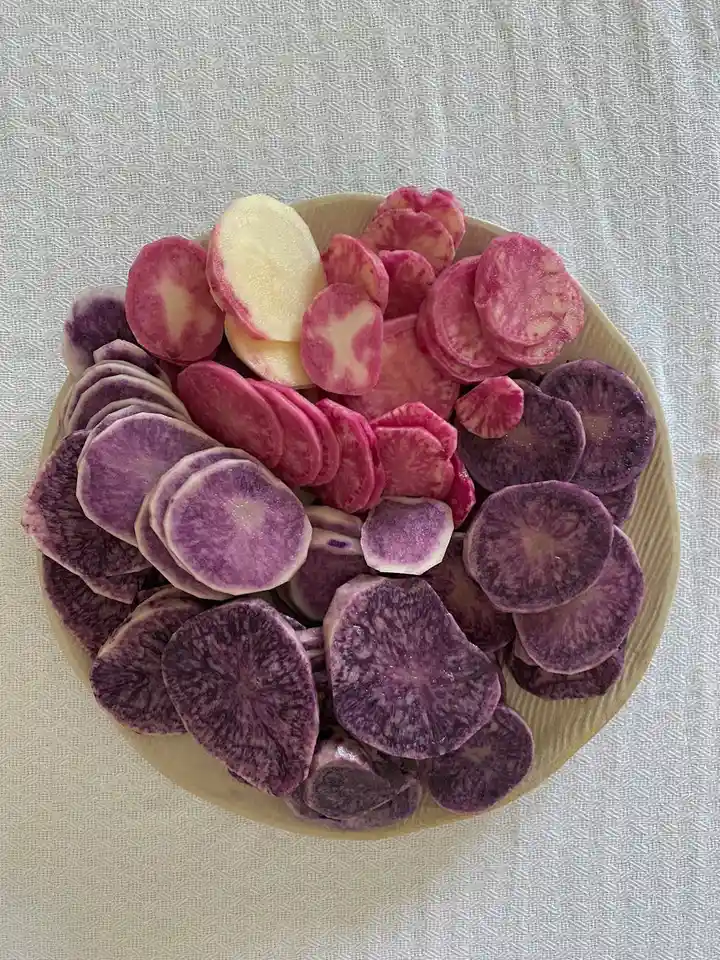
Think of these starches as specialized tools, not everyday essentials. They work best in specific formulas where their absorbent, smoothing properties are a real benefit.
You can find corn and tapioca starch doing their best work in silky setting powders or oil-control primers. They help blur pores and keep shine at bay for hours. For a mid-day touch-up, a powder with these ingredients can be a lifesaver.
Rice starch is a superstar in two areas. First, look for it in mineral sunscreens. It helps absorb excess moisture from the formula, preventing a white, pasty look and giving a more matte, elegant finish. Second, you’ll see it in some overnight masks or sleeping packs, where it provides a light, non-greasy texture.
Potato starch is less common, but it sometimes appears in creamy clay masks or powder cleansers. It helps adjust the consistency so the product spreads evenly and rinses cleanly.
My client Maya, who has oily, acne-prone skin, loves a rice starch powder for special events. The key for her, and for anyone prone to clogs, is to use powder products sparingly and commit to a thorough evening cleanse. A double cleanse-starting with an oil or balm cleanser-ensures every single particle is removed from the pores.
Whenever you try a new product containing these starches, do a simple patch test. Apply a small amount behind your ear or along your jawline for a few nights. This helps you spot any subtle reactivity before using it on your entire face.
Contraindications & Safety: When to Be Cautious with Starch
While generally safe, there are a few situations where I advise extra care or suggest avoiding starch-heavy products altogether.
If you have active, inflamed acne with flaking skin, skip loose powders with starch. The powder can cling to dry patches and flakes, creating a cakey texture and potentially irritating the already compromised skin. A liquid or cream foundation would be a better choice during this phase.
For those with extremely dry or dehydrated skin, like my client Noah, the absorbent nature of starch can work against you. It might soak up the precious natural oils and hydrators your skin barrier needs. If your skin feels tight or looks dull, focus on emollient-rich products instead.
A known allergy is the most straightforward reason to avoid a specific starch. If you have a confirmed corn allergy, for instance, you should steer clear of products with corn starch or corn-derived ingredients. Always scan ingredient lists if you have food-based allergies.
For most people using well-formulated products, these plant starches are non-irritating and perfectly safe. They are classic ingredients for a reason-they perform a specific job well.
As a final note, I always look for brands that consider the broader impact. When possible, I recommend choosing products where brands are transparent about using ethically and sustainably sourced starches, aligning with a cruelty-free philosophy from crop to cream.
Your Starch & Pores Questions, Answered
Which starch is the safest bet for acne-prone skin?
Rice starch (rated 1) and tapioca starch (rated 1-2) are your top choices for their fine texture and low clogging potential. They provide oil absorption without the heavier feel that can sometimes accompany corn starch.
Can I use products with starch if I have sensitive skin?
Yes, particularly rice starch which is renowned for its gentle, soothing properties. As always, a patch test is your best practice to confirm any product agrees with your unique skin.
Are all “starches” in skincare likely to clog pores?
No, this is a common misconception. Modified versions like aluminum starch octenylsuccinate are engineered to be non-occlusive and carry a very low comedogenic rating (0-1).
Choosing Starch Wisely for Healthy Skin
When it comes to starches in your skincare, the most reliable advice is to listen to your skin above all else. Comedogenic ratings are a useful guide, but your personal experience and a product’s full formula are what truly determine if it will work for you, even if you’ve tested it for comedogenicity.
- Patch test any new product containing corn, tapioca, rice, or potato starch on a small area like your jawline for a week.
- If you have oily or acne-prone skin like Maya, prioritize rice or tapioca starch, which are often gentler options.
- For dry or sensitive skin like Noah’s, ensure starch-based products are paired with rich, barrier-supporting ingredients.
- Remember that a low-comedogenic ingredient in a heavy, occlusive formula can still lead to congestion.
Your skin care journey is unique, and I’m dedicated to helping you navigate it with evidence and empathy. If you have questions about your routine or want to share what works for you, I always welcome your stories and inquiries. You’ll find more practical, ingredient-focused guidance to support your skin health right here on LuciDerma, including a step-by-step guide to building a skincare routine.
Further Reading & Sources
- The Bad List: Comedogenic Ingredients And Products – Cosmetics & grooming – Acne.org Forum
- Comedogenic Ratings – Acne Causing Ingredient List
- Comedogenic/Irritating Ingredients List – Aqneeq
Lucy Zimmerman
Lucy is an expert author and blogger when it comes to skin care and body care. She has first hand expertise acting as skin care consultant for over 5+ years helping her clients achieve smooth blemish free skin with natural and working remedies. She also has been an avid experimenter and tried out all the natural and artificial remedies and treatments so you can learn from her first hand experience. Additionally, she has traveled to many countries around the world and incorporated the skin care routines she has learnt into this blog. So, wait no more, reach out to Lucy if you have any specific needs and follow her blog, LuciDerma for expert skin care advice.