
L’Oréal and Il Makiage Foundations: An Ingredient Check for Acne-Prone Skin
If you have acne-prone skin, questioning whether your foundation or primer is non-comedogenic is a smart, protective move. I’ve seen clients like Maya pause their makeup routine over this exact concern, and I’m here to give you a clear, ingredient-focused answer.
This analysis will equip you with specific knowledge to make safer choices. You will learn:
- How to identify common pore-clogging ingredients in L’Oréal and Il Makiage product formulas.
- Why the term “non-comedogenic” isn’t a guarantee and what to look for instead.
- Which product types from these brands might be better suited for your sensitive or breakout-prone skin.
Let’s find makeup that works with your skin, not against it.
What “Non-Comedogenic” Really Means (And Why the Label Isn’t a Guarantee)
Let’s clear the air right away. A “non-comedogenic” label on a product means the manufacturer claims its formula is unlikely to clog your pores. Comedogenicity is just a fancy word for a substance’s pore-clogging potential.
The critical thing to know is that “non-comedogenic” is not a regulated term certified by the FDA or any global authority. Any brand can put it on their bottle. It’s a marketing claim, not a safety guarantee. Some brands also assess non-comedogenic formulations with standardized tests and dermatologist input to back up the claim. This behind-the-scenes evaluation helps you distinguish evidence-based labeling from marketing fluff.
Other terms like “oil-free” or “for acne-prone skin” don’t automatically mean non-comedogenic either. An oil-free product can still contain waxy or thick ingredients that act like a plug in your follicle. A product for acne-prone skin might contain salicylic acid to treat existing pimples but still have other ingredients that could cause new ones. For acne-prone skin, choosing a non-comedogenic moisturizer can help reduce clogged pores. Look for formulas labeled non-comedogenic and suitable for acne-prone skin.
So, what is the chemical ingredient analysis for acne-prone skin? It’s the practice of looking past the marketing and reading the ingredient list (the INCI list) yourself. You learn to spot families of ingredients known to be commonly problematic and those generally considered safer. It turns you from a passive consumer into an informed skin detective.
The Ingredient Detective’s Guide: What to Look For and Avoid
Think of your pore like a tiny tube. Some ingredients are like thick, sticky honey-they’re more likely to get stuck and create a clog. Others are like light, slippery water-they tend to glide over and out of the pore without issue. Individual skin is unique, so this is a starting map, not a fixed rule.
Common pore-clogging (comedogenic) ingredients often found in makeup:
- Certain heavy oils: Coconut oil, cocoa butter, wheat germ oil.
- Specific esters and fatty alcohols: Isopropyl palmitate, myristyl myristate, ethylhexyl palmitate, cetyl alcohol (for some people).
- Some lanolin derivatives: Acetylated lanolin.
Ingredients generally considered safe (non-comedogenic) for most acne-prone types:
- Silicones: Dimethicone, cyclopentasiloxane (they form a breathable barrier).
- Lightweight humectants: Glycerin, hyaluronic acid, sodium PCA.
- Certain plant oils: Squalane (derived from sugarcane or olives), hemp seed oil.
- Mineral pigments: Iron oxides, titanium dioxide, zinc oxide.
| Molecule Spec Sheet: Dimethicone (A Common Makeup Ingredient) | |
|---|---|
| pH Compatibility | Neutral, typically skin-friendly and non-disruptive. |
| Common Concentration | 1-10% in primers and foundations for smooth application. |
| Solubility | Oil-soluble, requiring an oil-based cleanser for thorough removal. |
| Safety for Acne-Prone Skin | Generally non-comedogenic; acts as a barrier, trapping hydration without feeding bacteria. |
Analyzing L’Oréal Foundations: A Closer Look at Popular Picks
L’Oréal has dozens of foundations, so let’s group them by finish to spot patterns.
Matte/Long-Wear Formulas (e.g., Infallible Pro-Matte, Infallible 24H Fresh Wear): These focus on oil control. They often rely on silicones like dimethicone for a smooth feel and absorbent powders like silica or nylon-12 to mattify. While the silicone base is usually safe, some matte formulas can contain ethylhexyl palmitate or other emollients to prevent them from feeling too dry, which could be a trigger. If you’re wondering, “is loreal infallible non comedogenic?” the answer is that its Pro-Matte version has a fairly acne-friendly silicone-heavy base, but you must check your specific bottle for your personal cloggers.
Luminous/Serum Formulas (e.g., True Match Lumi, Lumi Glotion): These aim for a dewy glow. They frequently contain light-reflecting particles and hydrators like glycerin. The potential hitch here is the addition of shimmer or pearl, which can be irritating for some, and emollients like hydrogenated polyisobutene to create that slip. “Is loreal lumi glotion non comedogenic?” Its gel-cream texture is often glycerin-based, but some users find the shimmer and certain emollients lead to congestion over time.
Are L’Oréal foundations non-comedogenic? As a brand, they are not universally “safe.” Some formulas, particularly the simpler silicone-based matte ones, are better candidates for acne-prone skin than the richer, luminous ones. The final step is always your own ingredient check.
Analyzing Il Makiage Foundations: The Online Brand Breakdown
Il Makiage, known for its online shade matching, centers its formulas around a “full coverage, natural finish” promise. Looking at their flagship products like Woke Up Like This and F*ck I’m Flawless, clear patterns emerge.
Their bases commonly use silicones (cyclopentasiloxane, dimethicone) for smoothness and silica for oil control. These are good signs. However, they also consistently include potential comedogenic triggers like ethylhexyl palmitate and hydrogenated polyisobutene across their range to achieve that creamy, blendable texture.
The most consistent red flag for sensitive, acne-prone skin in Il Makiage foundations is fragrance. Both natural and synthetic fragrance are high on their ingredient lists. Fragrance is a known irritant that can worsen acne inflammation by compromising your skin barrier, even if it doesn’t directly clog the pore.
So, are Il Makiage foundations non-comedogenic? Is Il Makiage comedogenic? Their reliance on certain emollients and, more critically, fragrance, makes them a higher-risk choice for reactive or acne-prone skin types like my client Noah. If your skin isn’t sensitive to fragrance and doesn’t react to those specific esters, you might be fine. For many with acne, it’s a gamble, especially when it comes to makeup that claims to be non-comedogenic.
Are L’Oréal and Il Makiage Primers Any Better for Pores?
A primer’s job is to create a smooth canvas, fill in fine lines, and help makeup last. It is not designed to treat acne or keep pores clear, though some may contain beneficial ingredients.
Both brands’ primers are typically built on silicone polymers (like dimethicone) to create that blurring effect. Similar to popular pore-filling primers like the Benefit POREfessional, these silicones are generally non-comedogenic but are oil-soluble. This means they must be removed with an oil-based cleanser or balm first, followed by a water-based cleanser (double cleansing). If not removed thoroughly, they can contribute to buildup.
“Blurring” primers from both brands are usually the safest bet, as they tend to be simple silicone gels. “Illuminating” primers add sparkle (mica, bismuth oxychloride), which can be irritating for some. L’Oréal’s and Il Makiage’s primers often contain the same families of emollients and fragrance as their foundations.
Are L’Oréal and Il Makiage primers non-comedogenic? Their blurring silicone-based primers have a low comedogenic potential, but the presence of added sparkle or fragrance in some formulas introduces an irritation risk that can mimic or worsen acne. As with foundation, a primer’s ingredient list is your real guide.
How to Patch Test Makeup When You’re Prone to Breakouts
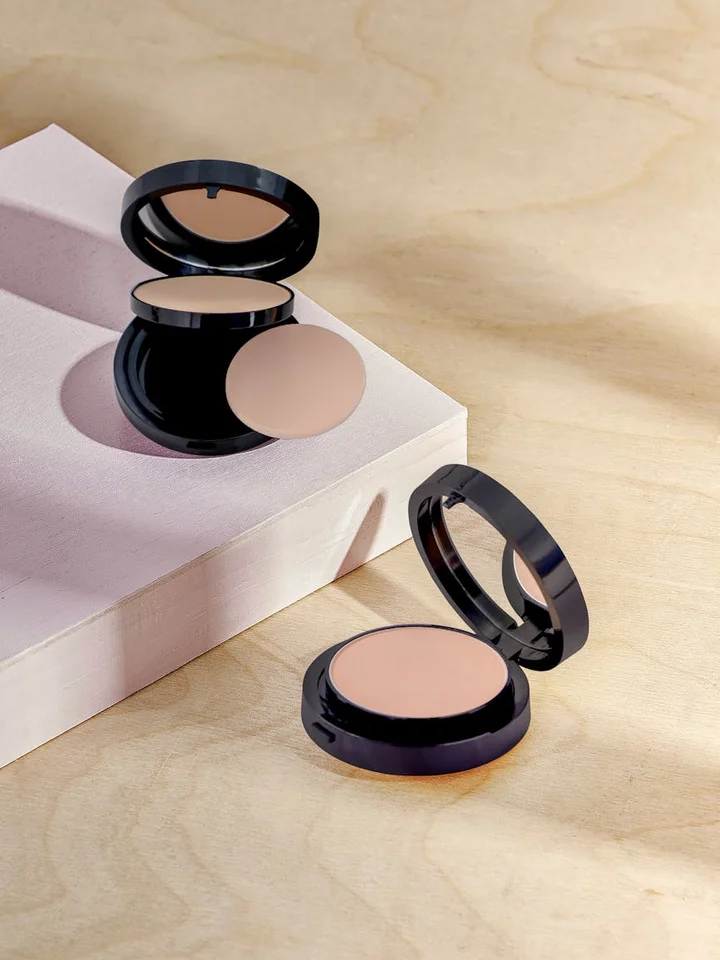
Looking at ingredient lists is smart detective work, but your skin has the final say. A formula that works perfectly for someone else can still cause a reaction for you. The only way to know for sure is to conduct a controlled experiment on a small patch of skin.
Think of it like trying a new food. You wouldn’t eat a giant bowl of something you’ve never had before. You’d take a small bite and see how your body reacts. Your skin deserves the same caution.
Here is my step by step method for a proper patch test.
- Choose Your Testing Zone: Clean a small, discreet area along your jawline or on the side of your cheek. This spot is ideal because it’s facial skin that’s often affected by breakouts, but a reaction here won’t be as central as on your forehead or chin.
- Start with a Clean Slate: Wash the area with your normal, gentle cleanser and pat it dry. Do not apply any other serums, moisturizers, or sunscreen to that specific spot.
- Apply the Product: Take a tiny amount of the new foundation or primer and apply it only to that clean testing zone. Use about the same amount you would use on your full face.
- Wait and Observe: Let it sit. Do not wash it off immediately. Go about your day normally.
- Repeat and Monitor: Repeat this process for 3 to 5 consecutive days, applying the product to the same exact spot each time.
This dedicated testing timeline is non negotiable because some reactions, like clogged pores, take a few days to appear. A one time test won’t tell you the full story.
During this period, watch for any changes. Is the spot becoming itchy, red, or raised? Are you seeing new, tiny bumps (comedones) forming in that precise area? This is your skin giving you direct feedback.
I advise my clients, like Noah who has reactive skin, to keep a simple skin journal during testing. Just note the product name, date you started, and any changes you see. A note on your phone works perfectly. It removes the guesswork and helps you build a personal database of what your skin likes and dislikes.
Contraindications & Safety Warnings
Even a non comedogenic product isn’t appropriate for every situation. Your skin’s current condition matters more than any label claim. Here are the key times to avoid applying new foundations or primers.
Active, Inflamed Breakouts: Applying a layer of makeup over open, angry pimples is like putting a bandage over a wound without cleaning it first. It can trap bacteria and product inside, worsening the inflammation and potentially leading to a more severe infection or a longer healing time. Let active lesions breathe and heal with your treatment products.
Severely Compromised Skin Barrier: If your skin is red, stinging, peeling, or feeling tight and sensitive, its protective outer layer is damaged. This is common after overusing exfoliants or starting a potent retinoid. In this state, your skin is hyper receptive, and even gentle ingredients can cause irritation. Focus solely on barrier repair with a simple moisturizer and occlusive until your skin feels resilient again.
Immediately Post Procedure: After professional treatments like chemical peels, microneedling, or laser therapy, your skin is in an active state of healing and renewal. Applying makeup can introduce contaminants and disrupt this delicate process. Always follow your provider’s specific aftercare instructions, which will almost always include a period of no makeup.
Known Allergies or Sensitivities: The ingredient analysis is your first line of defense here. Before the patch test even begins, scan the full list for your personal triggers. For my client Lina, that means avoiding specific floral fragrance components. For others, it could be lanolin or certain preservatives. If you see a known culprit, skip the test entirely.
Your Action Plan: Choosing and Wearing Makeup with Confidence
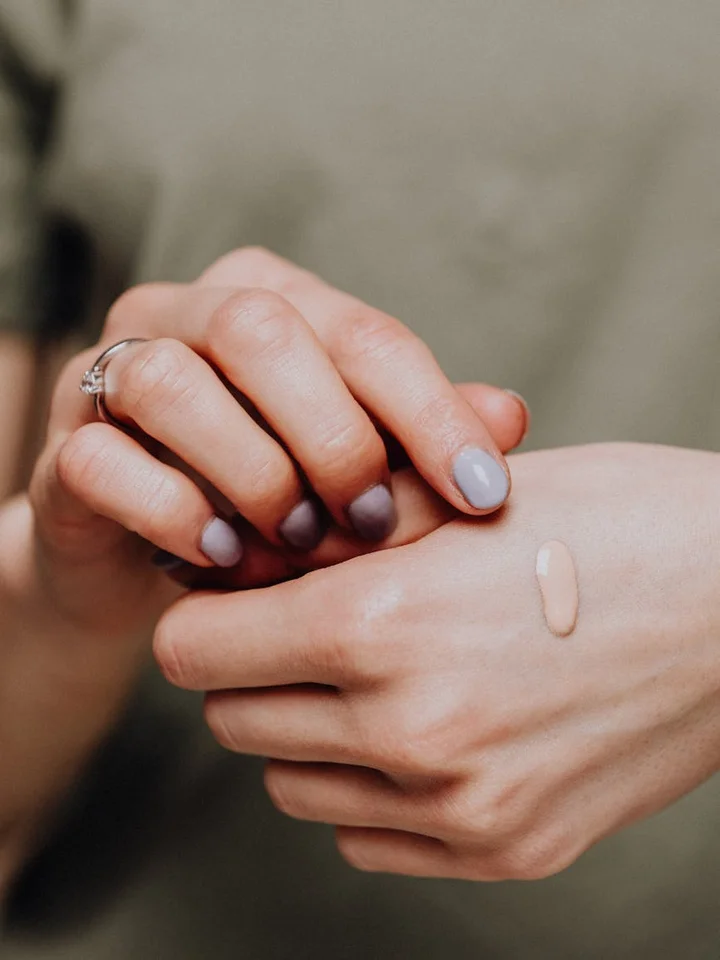
Let’s move from theory to practice. After looking at the ingredient lists, the most important thing to remember is this: You are the expert on your skin, and your observations are more valuable than any marketing term on a bottle. “Non-comedogenic” is a starting point, but your personal experience is the final verdict.
A Quick, Practical Checklist
When you’re scanning the shelves or online listings, keep this simple list in mind. It’s the same advice I give to clients like Maya, who needs coverage that won’t clog her pores.
- Opt for silicone-based formulas over heavy oil-based ones. Look for cyclopentasiloxane or dimethicone high on the list. They create a smooth layer that’s less likely to seep into and congest pores compared to some plant oils or mineral oil.
- Arm yourself with your personal “avoid” list. If you know coconut-derived ingredients (like caprylic/capric triglyceride) or certain fatty alcohols break you out, scan for those first. Your past reactions are your best guide.
- Always, always double cleanse at night. This is non-negotiable for acne-prone skin wearing makeup. Start with a gentle cleansing oil or balm to dissolve sunscreen and foundation, then follow with a water-based cleanser. This ensures every trace of silicone and pigment is gone, letting your skin breathe and repair overnight.
Permission for a Process
Finding your perfect foundation isn’t a one-and-done event. It’s a process of elimination. It is completely okay, and normal, if the first product you try isn’t a perfect match. Your skin might react differently than you hoped, or the shade might be off.
I always suggest starting with sample sizes or travel versions when you can. This lets you do a proper patch test (apply a small amount along your jawline for a few days) and wear it for a full day without committing to a large, expensive bottle that might not work out.
You Can Have Both
Dealing with acne can make you feel like you have to choose between covering it up and letting your skin heal. You don’t. With a careful, ingredient-informed approach, you can absolutely achieve the coverage you want while supporting clearer, calmer skin. It starts with reading the label like a pro, removing makeup like it’s your job, and listening to what your skin tells you the next day. You’ve got this.
Your Quick Questions, Answered
Can makeup labeled “for acne-prone skin” still cause breakouts?
Yes, it can. A product may contain an acne-fighting ingredient like salicylic acid but still include other pore-clogging or irritating components in its base formula. For some people, salicylic acid can irritate the skin and trigger a brief breakout. This is why it’s helpful to monitor how your skin responds and adjust use accordingly. Always review the full ingredient list, not just the claims on the front.
As someone with acne, should I choose L’Oréal or Il Makiage?
Based on common formulations, L’Oréal’s simpler silicone-based matte foundations are often a lower-risk starting point. Il Makiage formulas frequently contain fragrance and specific emollients that pose a higher irritation and clogging risk for reactive skin types.
What’s the most important step if I wear these foundations?
Thorough, double cleansing at night is non-negotiable. Silicone-based makeup requires an oil-based cleanser first to dissolve it completely, preventing residue that can lead to congestion and breakouts.
Finding Your Perfect, Clear-Skin Foundation
When choosing foundation for acne-prone skin, your most powerful step is to become a savvy ingredient detective. Trusting the label “non-comedogenic” is a start, but trusting your own skin’s reaction through careful testing is what truly prevents clogged pores. I guide clients like Maya to look beyond marketing and focus on how a formula feels and performs over time—especially when selecting non-comedogenic primers that claim to minimize pores.
- Always conduct a patch test on a small area of your jaw or cheek for at least five days before applying anything all over your face.
- Scan ingredient lists for common pore-cloggers like isopropyl myristate or algae extract, and lean toward products with simpler, water-based formulas.
- Keep a gentle, fragrance-free cleanser handy to thoroughly remove makeup every single night, no exceptions.
- If a product causes any new bumps or redness, stop using it immediately-your skin’s signal is more reliable than any claim.
Your journey to calm, clear skin is personal, and it deserves kind, evidence-based support. Here at LuciDerma, we’re committed to providing the practical, cruelty-free advice you can use every day. We learn from real stories, so if you have a question about your routine or a tricky ingredient, your experience helps our whole community.
Deep Dive: Further Reading
- Power Polish Anti Aging Exfoliator | IL MAKIAGE
- Il Makiage Woke Up Like This Foundation ingredients (Explained)
- Power Lift Anti Aging Plumping Cream | IL MAKIAGE
- Il Makiage Power Polish Exfoliator ingredients (Explained)
- Il Makiage Foundation ingredients (Explained)
- EWG Skin Deep® | Il Makiage, Woke Up Like This Flawless Base Foundation 60 Rating
- IL Makiage Mystique Concealer Palette, Light Ingredients and Reviews
- IL Makiage I’m Flawless Multi-use Perfecting Concealer Anti Cream, 2.5 Talla0.23 fl oz/7 mL Ingredients and Reviews
- IL MAKIAGE
Lucy Zimmerman
Lucy is an expert author and blogger when it comes to skin care and body care. She has first hand expertise acting as skin care consultant for over 5+ years helping her clients achieve smooth blemish free skin with natural and working remedies. She also has been an avid experimenter and tried out all the natural and artificial remedies and treatments so you can learn from her first hand experience. Additionally, she has traveled to many countries around the world and incorporated the skin care routines she has learnt into this blog. So, wait no more, reach out to Lucy if you have any specific needs and follow her blog, LuciDerma for expert skin care advice.