
Top Niacinamide Benefits for Skin: How to Use It and Find the Best Products
You’ve likely seen niacinamide everywhere and are wondering if it’s a fit for your skin. I routinely recommend this ingredient because it’s one of the few that truly works for almost everyone in my treatment room.
This article will give you clear, actionable steps so you can:
- Learn niacinamide’s proven benefits, like calming redness and regulating oil, so you know exactly what results to expect for your skin.
- Use niacinamide correctly with straightforward routines that layer well with other products, preventing common mistakes.
- Choose the best niacinamide product for your skin type, whether you’re dealing with oiliness like Maya or sensitivity like Noah, making your search efficient and effective.
You’re already on the path to smarter, more targeted skin care.
Getting to Know Niacinamide: Your Skin’s Multi-Tasker
Think of niacinamide, a form of vitamin B3, as that dependable friend in your skincare cabinet. It’s the one you can call for almost any skin concern, from a sudden flare of redness to a shiny T-zone, and it shows up ready to work without drama. Unlike some ingredients that demand special handling, niacinamide gets along with nearly everyone and fits seamlessly into your routine, making it a perfect companion for tretinoin for acne and anti-aging.
It works by supporting your skin’s natural processes. Imagine your skin cells are tiny factories. Niacinamide helps ensure those factories have the raw materials they need to produce healthy skin barriers, balanced oil levels, and even-toned complexions. It’s a communicator and a stabilizer, not a harsh scrubber or stripper. The Niacinamide Botanical Blends work harmoniously with your skin’s natural functions to repair and strengthen your skin barrier.
| pH Range | Works well in a wide range, typically formulated between pH 4-7 to be gentle and effective. |
| Typical Concentrations | 2% to 10%. Most people see excellent results with 5% for daily use. Higher percentages (10%) are for targeted treatment. |
| Solubility | Water-soluble. This means it mixes beautifully into lightweight serums, toners, and moisturizers that absorb quickly. |
| Safety Profile | Extensively studied, generally non-irritating for most skin types. Cruelty-free options are widely available. It’s a champion for sensitive skin. |
Let’s clear up a common question: niacinamide is not a physical exfoliant. It does not scrub or slough off dead skin cells like a scrub or a washcloth would. Its magic is in strengthening and balancing your living skin cells from within, which can lead to a smoother surface over time, but it doesn’t work by manual removal. If you’re looking for exfoliation, you’d pair niacinamide with an AHA, BHA, or a gentle retinoid.
The Real-World Benefits: What Can Niacinamide Actually Do for You?
Lists of benefits can feel abstract. I find it more helpful to think about what your skin is asking for. Here’s how niacinamide answers those calls, through the lens of the clients I see every day. To translate this into real-world routines, I’ll walk you through niacinamide usage guidelines in the next steps. They cover practical dosing, safe concentrations, and how to layer with other products for best results.
For Calm, Strong Skin: Barrier Repair and Redness Reduction
This is where I think of Noah, with his dry, reactive skin. His moisture barrier, the protective outermost layer, was like a brick wall with crumbling mortar. Every wind gust or new product caused redness and tightness. Niacinamide helps by producing more of the “mortar” (ceramides and fatty acids) that holds your skin wall together.
A stronger barrier means your skin keeps hydration in and irritants out more effectively. For someone with sensitive skin, this is foundational. In fact, niacinamide helps strengthen the barrier by supporting ceramide production. By repairing the barrier, niacinamide directly soothes that feeling of reactivity and reduces persistent redness. It’s a preemptive calm, making your skin more resilient day-to-day.
For Clear, Balanced Skin: Oil Control and Blemish Support
Maya, with her oily, acne-prone skin, needed something to manage shine without pushing her skin into a panic. Harsh products would strip her oil, and her skin would overcompensate by producing even more. Niacinamide offers a smarter approach: it helps regulate sebum production at the source.
It tells your oil glands, “We have enough, let’s not overdo it.” The result is a gradual, natural reduction in excess shine. Simultaneously, it calms the inflammation that turns a clogged pore into a angry, red pimple. This dual action of balancing oil and quieting inflammation makes it a cornerstone for acne-prone and oily skin routines, without the over-drying side effect of some traditional acne fighters.
For Smooth, Bright Skin: Texture and Tone Evening
Lina, with her combination skin, was frustrated by large-looking pores on her nose and dull, uneven patches on her cheeks. Niacinamide addresses both. It improves skin elasticity, which can make pores appear smaller and less stretched. For tone, it gently interrupts the process that leads to patches of discoloration, helping to fade existing spots over time.
Think of it as a gentle evening-out process. It won’t radically resurface your skin overnight like a strong acid peel might. Instead, it promotes healthier, more uniform skin cell turnover, leading to a smoother texture and a more balanced, radiant tone with consistent use. This supportive role also makes it a fantastic teammate for anti-aging routines, as strengthening the barrier is key to maintaining plump, hydrated skin that shows fewer fine lines.
How to Use Niacinamide Correctly: A Step-by-Step Guide

Think of niacinamide as your reliable, multitasking friend who fits seamlessly into your existing routine. You don’t need to build a whole new ritual around it.
For a simple, effective routine, apply niacinamide serum twice daily after cleansing and before your moisturizer and sunscreen.
The Golden Rule: Apply After Cleanser, Before Moisturizer
Niacinamide is not a toner. While some toners may contain it, the ingredient itself is an active treatment best delivered in a concentrated serum or a light lotion. This texture allows it to sink in deeply and do its work before you seal everything in with a moisturizer.
Imagine your skincare layers like getting dressed. Your cleanser is your shower. Your niacinamide serum is your lightweight base layer. Your moisturizer is your cozy sweater, and your sunscreen is your essential outer coat.
My client Noah, with his dry, reactive skin, found success by using a niacinamide serum as this exact “base layer.” It helped reinforce his skin barrier without feeling heavy or occlusive before his richer cream.
Finding Your Strength: Is Niacinamide 5 or 10 Better?
This is a common question, and the answer depends on your skin’s needs and tolerance.
- 5% Niacinamide: This is the ideal starting point for nearly everyone, especially if you have sensitive skin (like Noah) or are new to active ingredients. It offers all the core benefits-barrier support, reduced redness, minimized pores-with a very low risk of irritation.
- 10% Niacinamide: This higher concentration is often chosen for more targeted concerns, like pronounced oiliness, texture, or stubborn post-acne marks. It can be more effective for these issues but also carries a slightly higher risk of causing redness or flushing for some.
My general advice is to start with a 5% formula and see how your skin responds over a few weeks. You may find it’s all you need. If you feel you need more punch for oil control, you can then consider a 10% product. My client Maya, who is acne-prone, started with 5% and later moved to a 10% serum just on her oily T-zone, which worked perfectly for her combination skin.
Common Mistakes to Avoid
Avoid applying niacinamide directly after using a product with a very low pH, like a strong exfoliating acid (e.g., glycolic or salicylic acid toner). Wait about 10-15 minutes between applications. This gives your skin’s pH a moment to rebalance, ensuring the niacinamide remains stable and effective.
Do not assume you can only use it once a day. Niacinamide is very stable and well-tolerated, making it safe for both morning and evening use. Consistency is key for seeing results.
Finally, always patch test. Apply a small amount to your inner arm or behind your ear for 24 hours before using it on your face.
Niacinamide’s Best Friends (and Foes): Safe Ingredient Pairing
Skincare is about building a supportive team, not pitting ingredients against each other. Niacinamide is an excellent team player—it can brighten skin and help with acne.
Powerful Partners: Acids, Peptides, and Antioxidants
Niacinamide pairs well with a huge range of other beneficial ingredients. It’s like the calming, balancing center of your skincare lineup. In particular, the niacinamide-adapalene combination is a popular, gentle option for many skins. It supports the skin barrier and can help reduce irritation during active treatment.
Yes, you can use a beta hydroxy acid like salicylic acid with niacinamide. In fact, they’re a brilliant pair for acne-prone skin. The salicylic acid clears out pores, while the niacinamide helps calm the resulting redness and regulates oil production. Just remember the timing tip from above: acid first, wait, then niacinamide.
You can absolutely use kojic acid and niacinamide together at night. This is a powerful combination for addressing hyperpigmentation. Kojic acid helps inhibit pigment production, while niacinamide helps block its transfer to the skin’s surface and soothes inflammation that can cause dark marks. My client Lina uses this exact pairing to fade sunspots and post-acne marks.
Niacinamide also works seamlessly with peptides (for firming), hyaluronic acid (for hydration), and most other antioxidants.
The Vitamin C Question: Debunking the Myth
You may have heard that vitamin C and niacinamide cancel each other out. This is based on very old, outdated science that doesn’t apply to modern, stabilized formulations. When used correctly, niacinamide and vitamin C can work together to support brightness and skin health. We’ll show how they can be combined safely in the next steps.
Current research and formulation technology confirm that these two powerhouse antioxidants can be used together safely and effectively. They can even work synergistically to brighten skin and protect against environmental damage.
If you have extremely sensitive skin and find using them together causes slight flushing or tingling, simply alternate them-vitamin C in the morning, niacinamide at night. Both strategies are perfectly valid.
What Doesn’t Mix Well?
Niacinamide is remarkably compatible. The main caution is about pairing it with very high concentrations of direct acids (like a 50% chemical peel) without professional guidance, as this could overwhelm the skin. In your daily routine, just mind the pH timing rule.
As for the question “is niacinamide better than fluoride?”-this is comparing apples to oranges. Fluoride is an ingredient used in dental care for tooth enamel. They have completely different purposes and are not interchangeable or comparable in skincare.
Choosing Your Product: Top Formulas by Concentration
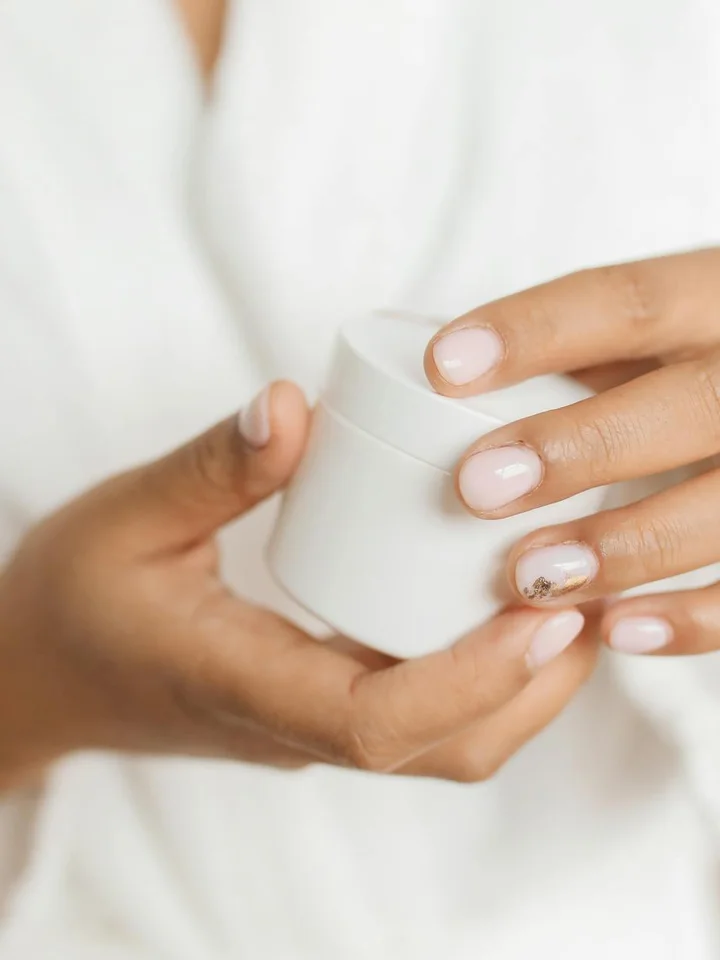
Think of niacinamide percentages like heat settings on a stove. A lower setting is perfect for slow, steady cooking, while a higher one gets things boiling faster. The key is matching the strength to your skin’s current needs and tolerance.
Gentle Starters (2-5% Niacinamide)
This is the sweet spot for most people, especially if you’re new to the ingredient or have reactive skin like Noah. At this concentration, niacinamide works like a supportive friend for your skin barrier, calming redness and smoothing texture without any drama. It’s especially effective when paired with Vitamin C for brightening your complexion.
Look for products that pair niacinamide with other soothing agents. This creates a buffer and adds extra benefits.
- Ceramide-Infused Moisturizers: A moisturizer with 2-4% niacinamide alongside ceramides is a powerhouse for repairing a compromised moisture barrier. It’s a fantastic all-in-one step for dry, sensitive types.
- Serums with Panthenol: Panthenol (vitamin B5) is a superstar hydrator and soother. A 5% niacinamide serum with added panthenol is incredibly calming for skin that flushes easily or feels irritated.
This range is your safest bet for building long-term resilience, reducing subtle redness, and improving hydration without risk of irritation.
Targeted Treatments (10% Niacinamide)
A 10% formula is a focused treatment. It’s excellent for tackling pronounced shine, stubborn pores, and post-acne marks. This is what I often recommend for clients like Maya, who have oily, acne-prone skin, or for Lina to use just on her oily T-zone.
These formulas are typically lightweight serums or gels. The texture is crucial-it should absorb quickly and feel like nothing, so it layers beautifully under sunscreen and makeup.
- Oil-Free Serums: The best 10% serums have a water-like consistency. They deliver the ingredient directly to pores to regulate oil production without adding any heaviness.
- Gel Formulas: A clear, cool gel is another great option for oily skin. It can provide a slight mattifying effect upon application.
If you choose a 10% serum, monitor your skin. Some people, especially those with very sensitive skin, might experience temporary flushing or mild irritation. Starting every other day helps your skin adjust.
Does Your Cleanser or Moisturizer Have It?
You might already be using niacinamide without knowing it. Let’s clear up two common queries.
Does Panoxyl have niacinamide? Yes, but only in specific lines. Their “Panoxyl Daily Control” line includes a benzoyl peroxide wash with niacinamide. In a wash-off product like this, the niacinamide offers a brief, surface-level soothing effect to counteract the potential dryness from benzoyl peroxide.
Does Vanicream have niacinamide? Their popular Moisturizing Cream does not. However, their “Daily Facial Moisturizer” does contain niacinamide. This is a leave-on product, so the niacinamide has time to absorb and work on your skin barrier throughout the day.
The rule is simple: in wash-off products (cleansers), niacinamide provides minimal, supplemental benefits. In leave-on products (serums, moisturizers), it’s a active treatment ingredient. For the core benefits, a leave-on formula is non-negotiable.
Your Personal Blueprint: Tailoring Niacinamide to Your Skin Type

Here’s how to slot niacinamide into your existing routine for maximum effect. These are quick, actionable snippets you can start tonight.
If Your Skin is Oily or Acne-Prone
Your goal is to control shine, minimize pores, and calm active breakouts. A 10% niacinamide serum will be your workhorse.
- AM/PM: Cleanse with a gentle, water-based cleanser. If you use a BHA (salicylic acid) cleanser, use it at night 2-3 times a week instead of your gentle one. This is a classic Korean skincare approach for oily skin: using a potent active in a wash-off form to minimize irritation.
- Apply 2-3 drops of a 10% niacinamide serum to your entire face.
- Follow with an oil-free, non-comedogenic moisturizer to hydrate without clogging pores.
- Morning Finale: Always finish with a broad-spectrum sunscreen. Niacinamide helps repair sun damage, but prevention is still key.
If Your Skin is Dry or Sensitive
Your mission is barrier repair and hydration. A 5% niacinamide formula is your ideal partner.
- AM/PM: Cleanse with a creamy, fragrance-free wash.
- While your skin is damp, apply a hyaluronic acid serum to plump with moisture.
- Immediately follow with your 5% niacinamide serum. Applying it to damp skin can enhance absorption and reduce any potential tingling.
- Seal it all in with a rich moisturizer containing ceramides or squalane. This locks in the niacinamide and hydrators, creating a protective blanket for your skin.
If Your Goal is Anti-Aging or Brightening
Niacinamide is a brilliant team player here. It enhances the effects of other anti-aging heroes and protects your progress.
- For Brightening (AM Routine): Layer your niacinamide serum with a vitamin C serum. Apply vitamin C first, wait 60 seconds, then apply niacinamide. Together, they work on multiple pathways to fade dark spots and protect against free radicals. Sunscreen is non-negotiable every single morning to preserve your results.
- For Overnight Repair (PM Routine): After your niacinamide serum, apply a peptide-rich moisturizer or serum. Peptides support collagen, and niacinamide helps ensure your skin is in a calm, receptive state to make the most of them.
Your Quick Niacinamide Questions, Answered
Are there any side effects to using niacinamide I should watch for?
Niacinamide is generally very well-tolerated, but at higher concentrations (10%), some skin types may experience temporary flushing or minor irritation. If this occurs, simply switch to a lower percentage (5%) or reduce application to every other day until your skin adjusts. Remember, niacinamide is not the same as niacin, and its effects and tolerability can differ.
Can I use niacinamide with my retinol serum?
Absolutely. Using niacinamide with retinol is an excellent strategy, as niacinamide helps reinforce the skin barrier and soothe potential irritation caused by retinoids. For best results, apply your niacinamide serum first, wait a minute for it to absorb, then follow with your retinol product.
Should I choose a niacinamide serum, moisturizer, or toner?
For the most direct and effective treatment, a leave-on serum is your best choice. While cleansers or toners with niacinamide offer supplemental benefits, a serum ensures the ingredient has adequate time to absorb and work at a deeper level for your core concerns.
Your Skin, Niacinamide, and Moving Forward
The most reliable way to see niacinamide’s benefits is to use it consistently in a formula that agrees with your skin. Think of it as a supportive friend in your routine, not a demanding taskmaster. Don’t believe the myths about niacinamide causing purging or breakouts.
- Pair your niacinamide serum with a broad-spectrum sunscreen every morning to double down on protection.
- Start with a lower concentration (like 5%) to see how your skin responds before considering stronger options.
- Look for it in moisturizers and toners if a dedicated serum feels like too much for your routine.
- Always apply it to clean, slightly damp skin to help it absorb effectively.
- Choose products from brands that are transparent about their sourcing and commit to being cruelty-free.
If you have more questions about building a gentle, effective routine, you’re always welcome here. We focus on clear, practical guidance and sustainable choices. Follow along with our blog for more science-minded skin advice you can actually use.
Related Guides and Information
- Niacinamide: Uses for Skin and Benefits
- Product Spotlight: Niacinamide 10% + Zinc 1% | The Ordinary
- Niacinamide Benefits for Skin | CeraVe
- Benefits of Niacinamide (Vitamin B3)
- Mechanistic Insights into the Multiple Functions of Niacinamide: Therapeutic Implications and Cosmeceutical Applications in Functional Skincare Products – PMC
- The definitive reasons why your skincare routine needs niacinamide – Murad Skincare
- Niacinamide: Skin Benefits, Risks, and More
- Niacin vs. Niacinamide: Breaking Down Vitamin b3 | PCA Skin
- Niacinamide for a Radiant Complexion – Dr. Sara Dickie Plastic & Reconstructive Surgery
- What Is Niacinamide? Benefits, Uses, and Why It’s Everywhere in Skincare
Written by Lucy Zimmerman. Lucy is an expert author and blogger when it comes to skin care and body care. She has first hand expertise acting as skin care consultant for over 5+ years helping her clients achieve smooth blemish free skin with natural and working remedies. She also has been an avid experimenter and tried out all the natural and artificial remedies and treatments so you can learn from her first hand experience. Additionally, she has traveled to many countries around the world and incorporated the skin care routines she has learnt into this blog. So, wait no more, reach out to Lucy if you have any specific needs and follow her blog, LuciDerma for expert skin care advice.