
Niacinamide in Your Routine: A Practical Guide to Using It Well
You’re wondering how to actually use niacinamide without causing irritation or wasting its potential, and that’s a smart question to ask. I help clients like Maya and Noah navigate this exact step every day.
This article will give you clear, actionable steps so you can use niacinamide effectively and safely. Here’s exactly what you’ll be able to do:
- Follow straightforward usage guidelines that balance effectiveness with skin safety, so you know how often to apply it and at what concentration.
- Master simple application methods for layering it with other products, turning a potentially confusing serum into an easy part of your day.
- Identify and manage potential side effects like redness or dryness, so you can adjust your approach and keep your skin comfortable.
Think of this as your personal consultation to get this versatile ingredient working for you.
Niacinamide Basics: Your Skin’s Gentle Multitasker
Think of niacinamide as the quiet, capable friend who shows up for your skin every day. It’s a form of vitamin B3 that your skin cells already use to function well. Unlike some ingredients that are fussy and break down easily, niacinamide is famously stable. It doesn’t mind light or air, and it plays nicely with almost every other active ingredient in your cabinet.
Because it dissolves easily in water, it fits perfectly into lightweight serums and lotions that sink right in. Its core reputation is spot on: it’s a champion for your skin’s barrier, helping to keep moisture in and irritants out, all while calming redness.
This makes it a rare find, an active ingredient suitable for oily, dry, sensitive, and combination skin types. My client Lina, with her combination skin, is a perfect example. She uses a niacinamide serum to gently manage oil and large pores on her T-zone, while its soothing strength keeps her sensitive cheeks calm and balanced. It’s the one product she counts on not to start a fight with her skin.
The Niacinamide Molecule Spec Sheet
Let’s look at the technical details that make this ingredient so reliable and easy to use.
| Property | Why It Matters for Your Skin |
|---|---|
| pH (Stable across a wide range) | You don’t have to worry about it conflicting with your other products. Whether your cleanser is slightly acidic or your vitamin C serum is low pH, niacinamide remains effective and gentle. This stability means less potential for irritation. |
| Typical Concentration (2% to 10%) | Research shows benefits start at low concentrations. A 2% to 5% formula is excellent for daily barrier support and soothing. Formulas with 10% are targeted for more visible concerns like texture and blemishes. More is not always better; starting low allows your skin to adapt without stress. |
| Solubility (Water-soluble) | This means it’s formulated to be lightweight and layer beautifully. You’ll typically find it in clear serums, toners, or light lotions that absorb quickly without a greasy feel, making it ideal for all skin types, including oily or acne-prone skin like Maya’s. |
| Safety Profile (Generally well-tolerated, non-irritating) | It’s renowned for being one of the most gentle actives available. While any ingredient can cause a reaction, niacinamide is a top recommendation for reactive skin types, like my client Noah’s, because it helps strengthen the skin’s defenses against irritation. |
How Often Can You Really Use Niacinamide? (Daily Use Decoded)

The short and sweet answer is yes. You can use niacinamide every day. In fact, for most people, that’s the ideal way to use it.
Think of it like your most reliable friend. Niacinamide is not a harsh, peel-your-skin-off kind of ingredient. It works by supporting your skin’s natural processes, like strengthening its barrier and calming inflammation. Because it’s so gentle and well-tolerated, daily application, even twice a day (morning and night), is perfectly safe for the vast majority of skin types. My client Noah, with his reactive skin, uses a niacinamide serum every single morning without any irritation, and it’s made a huge difference in his redness — no purging or breakouts.
The real question isn’t about the ingredient itself, but about the product it’s in. A potent 10% niacinamide serum is designed for targeted treatment. A moisturizer with niacinamide listed further down the ingredients list is more for maintenance. Both are fantastic, but how you use them changes.
- For a concentrated serum: Start with once a day. After a week or two with no sensitivity, you can move to twice daily if your skin goals call for it. This applies directly to questions like can I use Anua 10 niacinamide serum every day-the answer is typically yes, but listen to your skin as you build up.
- For a moisturizer or toner with niacinamide: Since the concentration is usually lower, you can confidently use it as directed, often twice a day, right from the start.
My advice? If you’re new to a product like the Anua niacinamide serum, begin by applying it once daily after cleansing. Watch how your skin responds over the next few days. If it feels calm and looks good, you’ve got your green light for regular, daily use.
Morning or Night? Finding Niacinamide’s Best Moment
Let’s settle the ‘when’ question right now. You can absolutely use niacinamide in the morning. You can also use it at night. It’s one of the most versatile ingredients in your cabinet because it’s so stable and well-tolerated. The best time comes down to what else is in your routine and what you want to achieve that day.
The Case for Your Morning Routine
Think of your morning skincare as preparation for the day ahead. Niacinamide is a brilliant first layer of defense. In the clinic, I often recommend it for morning use to clients like Noah, who has reactive skin. Applying niacinamide in the morning strengthens your skin’s barrier, helping it better resist pollution, irritants, and daily stressors.
Its antioxidant properties are a key reason for this. While it’s not a replacement for vitamin C, niacinamide helps neutralize some free radicals we encounter from UV and environmental exposure. This makes it a powerful teammate for your sunscreen. By calming skin and reinforcing its natural protection, it sets a stable base for your SPF to work even better.
Its Equally Important Night Shift
Nighttime is when your skin focuses on repair and renewal. This is where niacinamide truly shines as a multitasker. For my client Maya, who deals with acne, using niacinamide at night helps regulate oil production and soothe post-breakout redness while she sleeps.
It’s also an excellent partner for other nighttime treatments. Because it’s so gentle and supports barrier health, it can help buffer the potential irritation from ingredients like retinoids or exfoliating acids. Using niacinamide in your evening routine aids your skin’s natural recovery process, working on texture, tone, and hydration while you rest.
Your Simple Rule of Thumb
You don’t need to overcomplicate this. Here’s how I guide my clients to decide:
- Use it in the morning if your primary goals are daytime protection, reducing redness before makeup, or if your nighttime routine already includes several other active ingredients (like a prescription retinoid).
- Use it at night if you want to pair it with other treatment products for synergy, or if your morning routine is super simple and focused solely on hydration and sun protection.
- Use it twice a day if your skin tolerates it well and you’re targeting a persistent concern like pronounced pores or uneven tone. Consistency is key for these benefits.
The most practical advice? Listen to your skin and look at your product lineup. Lina, with her combination skin, often uses a niacinamide serum in the morning for its balancing effect and again at night mixed with a calming face oil on her drier cheeks. There’s no single right answer, only the one that fits seamlessly into your life and gets you the results you want.
The Step-by-Step Application Method: From Serum to Cream
Applying a niacinamide serum correctly is simple, but many people get the order wrong. Think of it as a lightweight hydrating layer that needs to touch your skin directly to do its best work.
Follow this order for your morning or evening routine after cleansing.
- Cleanse. Start with a clean, dry face. This removes barriers like oil and dirt so the serum can absorb properly.
- Tone (Optional). If you use a toner or essence, apply it now. Let it dry or sink in for a moment.
- Apply Your Niacinamide Serum. Dispense a pea-sized amount onto your fingertips. Gently press and pat the serum onto your face and neck, avoiding the delicate eye area. You only need a thin, even layer; using more doesn’t make it work better and can feel sticky.
- Wait Briefly. Give it 60-90 seconds to absorb. Your skin should feel tacky but not wet.
- Layer Other Treatments. If you use a treatment like a vitamin C serum or a prescription retinoid, apply it now over the niacinamide.
- Seal with Moisturizer. This step is non-negotiable. Your moisturizer locks in the serum and supports your skin barrier. Follow with sunscreen in the AM.
For my client Noah, with his dry, reactive skin, I always suggest applying his serum to slightly damp skin. After cleansing, he pats his face with a towel until it’s just moist, then applies the niacinamide. This technique helps pull extra hydration into the skin and can minimize any initial tightness.
When Niacinamide Isn’t a Serum
Niacinamide is a versatile ingredient, so you’ll find it in all sorts of products. How you use it changes based on the formula. For many routines, it plays well with adapalene, making a niacinamide–adapalene combination a common choice for balancing irritation while improving skin texture.
- In a Toner or Mist: Apply this right after cleansing on dry or damp skin. Since it’s a liquid, it absorbs quickly. You can follow it immediately with your serum or moisturizer.
- In a Moisturizer: This is the easiest method. Apply your moisturizer as the final step in your routine. The niacinamide works from within that protective cream layer. It’s a great “set-it-and-forget-it” option.
- In a Cleanser: Here, niacinamide has minimal benefits for concerns like pores or brightness because it’s rinsed off. Think of a niacinamide cleanser as a gentle, supportive wash, not an active treatment. It’s a nice bonus, but don’t rely on it for your primary dose.
The Mixology Guide: What to Pair With Niacinamide (And What to Avoid)
Think of niacinamide as the reliable friend who gets along with almost everyone at the party. Its stable, gentle nature makes it a fantastic team player in your skincare routine. To help you build your dream team, here’s a quick guide to what works well with it, including how to pair niacinamide with glycolic acid safely.
Powerful Synergies: The Dream Team
These ingredients don’t just get along with niacinamide; they make each other better. I often recommend these pairings to my clients for targeted results, especially when they are using products that contain niacinamide.
- With Hyaluronic Acid for a Hydration Boost: Niacinamide helps support your skin’s barrier, which can better hold onto moisture. Hyaluronic Acid then draws that moisture in. It’s like repairing a leaky bucket (your barrier) and then filling it with water. This combo is a win for almost everyone, especially my client Noah with his dry, reactive skin.
- With Zinc for Oil Control: Zinc, often as Zinc PCA, is a natural astringent and anti-inflammatory. Paired with niacinamide’s own pore-refining and sebum-regulating actions, this duo is a powerhouse for managing shine and calming acne-prone skin. This is a go-to strategy for my client Maya.
- With Peptides for Collagen Support: Peptides are the building blocks that signal your skin to make more collagen. Niacinamide helps protect the collagen you already have by fighting environmental damage and supporting barrier health. Using them together is a proactive approach for maintaining firm, plump skin.
Safe & Effective Combinations
You can confidently use niacinamide with these potent actives. In fact, it often makes them more tolerable.
- With Retinol: This is one of my favorite pairings. Retinol can be irritating as it speeds up cell turnover. Niacinamide’s anti-inflammatory and barrier-repair properties help soothe that potential irritation and redness. Apply niacinamide first, let it absorb, then follow with your retinol. It acts like a calming primer for your skin.
- With Vitamin C: Forget the old myth that they cancel each other out. Modern science and stable formulations show they are perfectly compatible. Vitamin C fights free radicals on the surface, while niacinamide works on barrier strength and inflammation deeper down. They tackle skin aging from different, complementary angles.
Conflicts & Cautions: The Short List
Honestly, there’s very little niacinamide truly conflicts with in topical skincare. Its main “caution” isn’t about mixing products, even when it comes to using it with Vitamin C.
The only notable reaction is a temporary flush-redness and a warm, tingling sensation-which can happen if you take very high-dose niacinamide (nicotinamide) supplements, not from applying it to your skin. If you experience flushing from a serum, it’s likely due to another ingredient or a very rare sensitivity to niacinamide itself; a lower concentration (like 5%) usually solves this.
Your Application Method: How to Layer It Right
So, where does this team player go in your routine? The rule is simple: lightest to heaviest, and water-based before oil-based.
- Start with a Clean, Dry Face. Pat your skin gently until it’s just slightly damp.
- Apply Your Niacinamide Serum. Dispense a pea-sized amount, press and pat it gently onto your face and neck. Let it absorb for 60-90 seconds. It should feel dry, not sticky.
- Layer Your Next Active. Follow with your vitamin C serum, retinol, or azelaic acid treatment if you’re using one. Again, give it a moment to sink in.
- Seal It In. Finish with a moisturizer to lock everything in, and always, always follow with sunscreen in the morning.
For my client Lina with combination skin, she applies her niacinamide serum all over, then uses a lightweight retinol just on her fine lines and T-zone, avoiding her drier cheeks. Listen to your skin-it will tell you what feels right.
Building Your Routine: Where Niacinamide Fits In
Think of niacinamide as a friendly neighbor in your skincare routine. It gets along with almost everyone, but you need to introduce it in the right order. Here are three straightforward ways to add it to your day, especially when you want to brighten your skin and combat acne.
Your Morning Niacinamide Routine
In the morning, niacinamide helps calm your skin and preps it for environmental protection. Some people pair niacinamide with vitamin C for a brightening boost. It can help even skin tone. Apply your niacinamide serum after cleansing and toning, but before you layer on moisturizer and sunscreen. This lets it absorb fully without creating a barrier for other products.
- Cleanse: Use a gentle, water-based cleanser to wash away sleep.
- Tone (if you use one): Apply a hydrating toner to damp skin.
- Niacinamide: Pat a pea-sized amount of serum over your face and neck.
- Moisturize: Follow with a lightweight moisturizer to seal in hydration.
- Sunscreen: Always finish with a broad-spectrum SPF. Niacinamide can help soothe skin under daily sunscreen use.
Your Evening Niacinamide Routine
Nighttime is for repair, and niacinamide excels at reducing redness and refining pores while you rest. I often tailor this for clients like Maya, who has oily, acne-prone skin. For her, I recommend a lightweight, oil-controlling niacinamide serum applied after cleansing and before moisturizer. Together with tretinoin, niacinamide can support acne control and anti-aging results when used with proper guidance. Layering them thoughtfully helps keep irritation at bay while enhancing skin texture.
- Cleanse: Maya uses a salicylic acid cleanser to manage breakouts without stripping her skin.
- Niacinamide: She applies a serum with niacinamide and zinc, which helps regulate oil and calm inflammation.
- Moisturize: Even oily skin needs hydration. She follows with a gel-cream that won’t clog pores.
Maya noticed less midday shine and fewer angry breakouts after sticking to this order for a few weeks. If you have dry or sensitive skin like Noah, you might swap the gel-cream for a richer, barrier-supporting moisturizer.
A Simple Beginner’s Niacinamide Routine
New to niacinamide? Start here to avoid overwhelming your skin. Begin by using it just once per day, in the evening, so you can see how your skin responds. This slow approach builds tolerance and confidence.
- Evening Cleanse: Wash your face with a mild, fragrance-free cleanser.
- Niacinamide: Apply a serum with 5% to 10% niacinamide. Higher concentrations aren’t always better for starters.
- Moisturize: Lock it in with a basic moisturizer.
In the morning, just cleanse, moisturize, and apply sunscreen. You can add niacinamide to your AM routine later if your skin feels good. Always do a patch test behind your ear for a few days before applying it to your whole face.
Potential Side Effects & The “Overdose” Myth
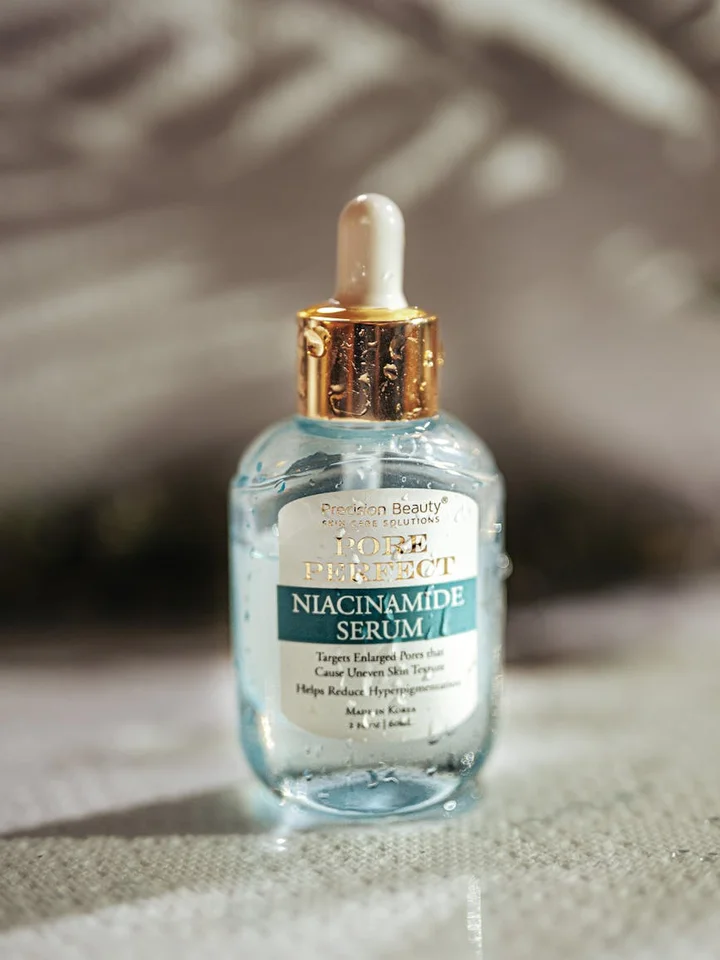
Let’s clear up a major point of confusion. You cannot “overdose” on topical niacinamide in the way you might think of a medication. Your skin can’t absorb so much that it becomes toxic or causes internal harm. The real question isn’t about systemic overdose, but about skin saturation and tolerance. Think of your skin like a sponge; it can only hold so much water before it just stops absorbing and gets soggy. Using an extremely high concentration or layering multiple niacinamide products doesn’t mean more benefits. It just increases the chance of irritation.
What Side Effects Can Actually Occur?
For most people, niacinamide is exceptionally well-tolerated. When issues do arise, they are typically mild and temporary. The actual, uncommon potential side effects include:
- Minor Redness or Irritation: This is usually due to other ingredients in a formula (like a strong fragrance or an additional active) or applying it to skin that’s already compromised. If your barrier is damaged, even gentle ingredients can sting.
- Flushing (Temporary Redness): This is a vasodilation effect and is most associated with very high concentrations (think 10% and above) or oral supplements, not the 2-5% found in most daily serums. It looks like a brief blush and fades quickly.
- Pilling or Texture Issues: This isn’t a skin reaction, but a formulation one. Some niacinamide serums can ball up under moisturizer or sunscreen if they contain certain silicones or polymers.
I once had a client, Noah, who came to me with a red, itchy patch after using a new 10% niacinamide serum. We traced it back to the denatured alcohol high on the ingredient list, not the niacinamide itself. He switched to a simple, 5% fragrance-free formula and has used it happily for years.
How to Introduce Niacinamide Safely (A Patch Test Guide)
If you have sensitive or reactive skin like Noah, a cautious introduction is your best tool for success. Follow these steps to minimize any risk.
- Do a Patch Test: Apply a small amount of the product (a pea-sized dab) to a discreet area like the inside of your elbow or behind your ear.
- Wait 24-48 Hours: Monitor that area for any signs of redness, burning, itching, or raised bumps. No reaction means you’re likely clear for your face.
- Start Slow on Your Face: Begin by using the product just two or three nights a week, after cleansing and before moisturizer.
- Listen to Your Skin: If you feel any persistent stinging or see redness, rinse it off. You can try mixing one drop with your moisturizer to buffer it, or simply look for a product with a lower percentage.
Integrating a new active slowly allows your skin to adapt without triggering a defensive inflammatory response. There is no race to nightly use. For many, using niacinamide just a few times a week is enough to see excellent results in barrier strength and tone.
Troubleshooting: What to Do If Your Skin Reacts
Even with the best intentions, your skin might send a signal that something isn’t quite right. A little tingling when you first apply a product can be normal, especially if your barrier is a bit compromised. But persistent redness, itchiness, or a stinging sensation that doesn’t fade is your skin asking for a time-out.
If you notice any uncomfortable reaction, your first move is always to pause using the new niacinamide product immediately. This isn’t a failure; it’s smart skincare.
Your Calm-Down Routine
Think of this as a reset button for your skin. Strip your routine back to the bare essentials for 3 to 5 days, or until all signs of reactivity have completely calmed down.
- Cleanse with a gentle, non-foaming, fragrance-free cleanser.
- Moisturize with a simple, reparative cream or ointment containing ingredients like ceramides, squalane, or panthenol.
- Protect with a gentle, mineral-based sunscreen during the day.
This gives your skin barrier the quiet space it needs to recover without any potential triggers. I often guide my client Noah through this exact process when his dry, reactive skin gets fussy.
Is It the Niacinamide or Something Else?
Once your skin is calm, the detective work begins. A reaction doesn’t automatically mean you’re intolerant to niacinamide. It’s often another ingredient in the formula.
Consider the vehicle-the lotion, serum, or cream that delivers the niacinamide. A reaction is more likely if the formula contains:
- High concentrations of other active ingredients (like a strong exfoliating acid).
- Fragrance or essential oils.
- Certain preservatives or botanical extracts your skin personally dislikes.
To test, you can try a different niacinamide product with a simpler ingredient list and a standard 5% concentration. Compare a lightweight, fragrance-free serum to a heavily scented lotion. My client Lina found she adored a basic niacinamide serum but reacted to a perfumed night cream that contained it.
Finding Your Formula Fit
True, outright intolerance to niacinamide itself is quite rare. More often, the issue is the concentration or the company it keeps in the formula.
If you reacted to a 10% or 20% serum, a 5% formula might be your perfect match. Alternatively, if you used a pure serum, try a moisturizer that has niacinamide listed further down the ingredient list. This gives you all the benefits with a slower, gentler introduction.
Adjusting the concentration or the type of product you use solves the issue for most people. It’s about listening to your skin and finding the right delivery method, much like finding the right dose of a helpful supplement.
If reactions persist with multiple, simple formulas, it’s worth discussing with a dermatologist. They can help rule out other conditions and guide you to alternatives that will work for your unique skin.
Your Niacinamide Questions, Answered
How do I choose the right concentration of niacinamide?
For daily barrier support and soothing, a 2% to 5% formula is ideal and suitable for most, including sensitive skin. Reserve a 10% concentration for targeted concerns like pronounced texture or oiliness, and always introduce it gradually.
Can I use niacinamide if I have very sensitive or reactive skin?
Absolutely. Niacinamide is one of the gentlest actives and is often recommended to help strengthen sensitive skin’s defenses. Start with a lower concentration (5% or less) in a simple, fragrance-free formula to ensure the best tolerance. Some people also explore niacinamide in botanical blends formulated for barrier repair, which can offer extra soothing support without compromising gentleness.
What should I do if my niacinamide serum pills under my moisturizer?
Pilling is usually a sign of formulation conflict, not a skin reaction. Ensure your skin is fully dry after applying the serum, and try layering a lighter, water-based moisturizer on top instead of a richer cream.
Final Thoughts on a Versatile Ingredient
Niacinamide is a reliable, multi-tasking ally for nearly every skin type when used thoughtfully. The most important rule is to start with a lower concentration and apply it consistently; patience with your skin’s adaptation period leads to the best results. Think of it as a long-term teammate for your barrier, not a quick fix. In addition, its skin barrier benefits come from supporting moisture retention and reinforcing the protective lipid layer over time.
- Always patch test a new niacinamide product on your inner arm before using it on your face.
- Apply your serum or treatment to clean, slightly damp skin for better absorption.
- You can use niacinamide both morning and night, but never skip sunscreen during the day.
- If you experience redness or stinging, pause use and focus on barrier repair with a simple moisturizer.
For more guidance tailored to your specific skin story, the advice here on LuciDerma comes directly from clinical experience. If you have questions after trying niacinamide, we’re here to help you navigate your routine with clarity and care.
Written by Lucy Zimmerman. Lucy is an expert author and blogger when it comes to skin care and body care. She has first hand expertise acting as skin care consultant for over 5+ years helping her clients achieve smooth blemish free skin with natural and working remedies. She also has been an avid experimenter and tried out all the natural and artificial remedies and treatments so you can learn from her first hand experience. Additionally, she has traveled to many countries around the world and incorporated the skin care routines she has learnt into this blog. So, wait no more, reach out to Lucy if you have any specific needs and follow her blog, LuciDerma for expert skin care advice.