
Is NYX Makeup Truly Non-Comedogenic? Your Ingredient Guide for Clear Pores
If you’re eyeing that NYX counter but worry about clogged pores, I get it. My client Maya often asks me this before trying new makeup, and I’m here to share what I tell her.
This guide will help you:
- Decode what “non-comedogenic” really means on a makeup label.
- Identify specific NYX ingredients that could lead to breakouts for your skin type.
- Learn a simple, safe method to test any product without upsetting your skin.
You’re about to gain the clarity needed to shop for makeup with confidence.
What “Non-Comedogenic” Really Means for Your Makeup
In simple terms, “non-comedogenic” is a label that promises a product won’t clog your pores. It sounds like a clear guarantee, but in the world of skincare and makeup, it’s not that straightforward. Especially when it comes to non-comedogenic makeup for acne-prone skin.
The crucial thing to know is that “non-comedogenic” is a marketing term, not a regulated standard approved by organizations like the FDA. Regulatory bodies require substantiation for such claims, even if they do not issue a formal “non-comedogenic” certification. There is no universal test or legal definition every brand must follow. When a company like NYX uses this term, it’s based on their own internal standards and testing methods. This is why brands may rely on third-party testing or independent studies rather than a government stamp.
Think of it like the “hypoallergenic” label. It’s a promise from the brand that they’ve tried to minimize common irritants, but it’s not a guarantee your unique skin won’t react. One brand’s idea of “pore-friendly” might differ from another’s.
This is where your personal skin story matters most. Individual pore triggers vary widely. An emollient that clogs Maya’s oily, acne-prone skin might be perfectly fine for Noah’s drier complexion, or even beneficial. The label is a starting point, not a final answer for your face.
The Comedogenicity Testing Molecule Spec Sheet
To understand the “non-comedogenic” promise, it helps to know how ingredients are even assessed for pore-clogging potential. This table breaks down the key factors, just like how brands assess non-comedogenic formulations.
| Test Method | Rabbit Ear Assay (historical) vs. Human Clinics |
| Concentration | Ingredient is tested at 100%, but is used at lower % in formula |
| Solubility | Heavy oils (coconut, cocoa butter) vs. lighter oils (squalane, hemp seed) |
| Safety Note | A 5/5 “highly comedogenic” ingredient in a rinse-off cleanser poses little risk. |
Look at the “Concentration” row. An ingredient might score as highly comedogenic when tested alone at full strength. But in a finished foundation, it might make up less than 1% of the formula, drastically reducing its real-world impact.
This table shows why the full formula context matters infinitely more than spotting a single “bad” ingredient on a list. The blend of ingredients, how they interact, and the product’s purpose (rinse-off vs. leave-on) change everything.
Decoding NYX: Claims, Testing, and Common Pore-Cloggers
So, does NYX test its products for pore-clogging? Based on their public statements and product descriptions, NYX primarily uses the term “non-comedogenic” as a claim for specific products, like their Bare With Me serum concealer. They state these products are formulated without known pore-clogging ingredients, but they do not publish detailed clinical study data on comedogenicity for their entire line. This is in contrast to brands that test and publish results for their skincare products’ comedogenicity.
Across all makeup brands, some ingredients have a higher reputation for being comedogenic. Here are common ones, grouped by where you might find them, along with their comedogenic ratings:
- Foundations & Concealers: Look for heavy emollients like certain types of coconut oil, cocoa butter, or algae extract. These can be great for dry skin but may be too rich for oily or acne-prone types like Maya.
- Lipsticks & Lip Balms: Occlusive waxes (like some lanolin derivatives) and butters create a long-lasting seal. Think of these ingredients like a thick sweater for your pore-great for insulation and preventing moisture loss, but bad for breathability if you’re prone to clogging.
- Setting Sprays & Primers: Certain film-forming polymers and silicones can create a smooth finish, but some may trap debris and oil underneath if not properly cleansed away.
Remember, seeing these in a formula isn’t an automatic red flag. It’s a cue to consider the product type and your skin’s history. A lipstick with occlusive waxes won’t typically affect your cheek pores.
Contraindications & Safety Warnings
Before you try any new makeup, keep these safety guards in place.
If you have active, inflamed acne cysts or broken skin, your priority is medical treatment, not new makeup. Applying any cosmetic over compromised skin can worsen irritation and hinder healing. See a dermatologist or esthetician first.
Always perform a patch test with any new product. Apply a small amount behind your ear or on your inner forearm for 24-48 hours. This is non-negotiable if you have reactive skin like Noah’s.
Finally, manage your expectations. No makeup can treat acne or unclog pores; the best it can do is not make the situation worse. Its job is to sit gracefully on the skin’s surface, not act as a therapy. Your cleansing, treatment, and sunscreen routine does the real work — especially when you use non-comedogenic sunscreen for acne-prone skin.
A Practical Guide to NYX Products and Your Pores
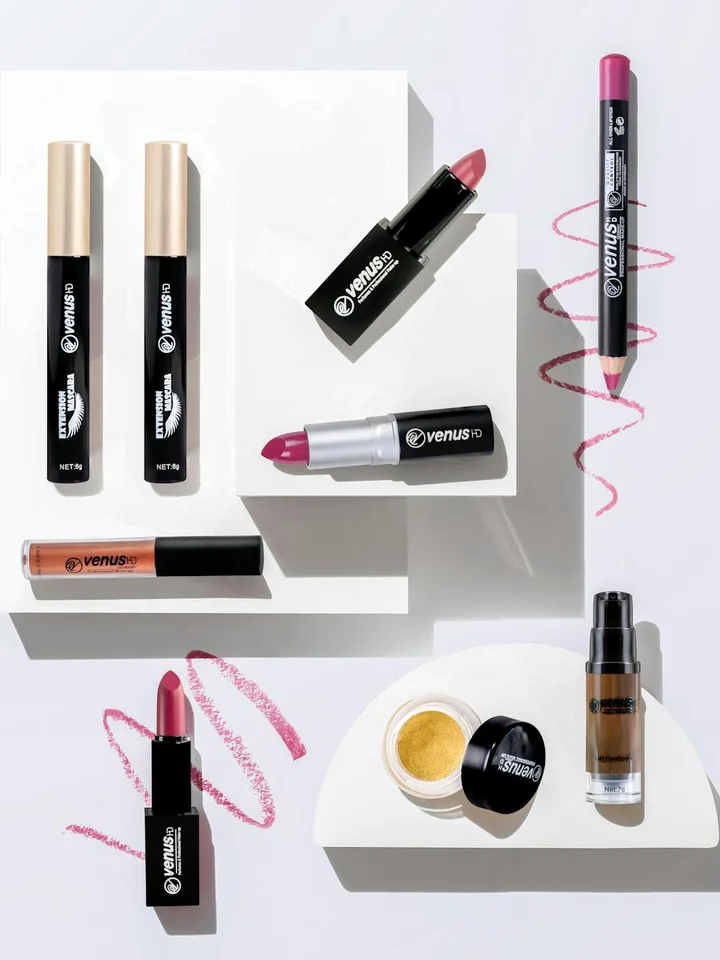
Instead of memorizing every ingredient, you can build a simple system. I teach my clients, like Maya who has acne-prone skin, this same method. It turns you from a passive consumer into an informed skin detective.
Your 3-Step Product Investigation System
Follow these steps for any makeup item, from NYX or any brand.
- Find the Real Ingredient List (INCI)
Look on the product box or the brand’s website. The list on a storefront page might be abbreviated. You need the full International Nomenclature of Cosmetic Ingredients list, which lists ingredients from highest to lowest concentration. - Scan for Known Heavy Triggers
Don’t get overwhelmed. Look for common pore-clogging suspects, especially in the first half of the list where they are most concentrated. Key groups to note:- Certain Oils: Coconut oil, cocoa butter, and some forms of lanolin are highly comedogenic for many.
- Heavy Waxes: Beeswax and carnauba wax can create a seal that traps debris.
- Specific Silicones: Look for dimethicone and simethicone. While not universally pore-clogging, their occlusive nature can be problematic for very oily or congestion-prone skin types.
- Consider the Product’s Purpose
A product designed for long-wear, full coverage, or high shine often requires more occlusive ingredients to perform. A dewy foundation will behave differently on your pores than a matte, breathable tint.
Applying the System: NYX Product Deep Dives
Let’s use our system on a few popular items. This isn’t to say these will break you out, but to show you how to think about them.
Is the NYX Bare With Me Concealer non-comedogenic?
Its second ingredient is dimethicone, a silicone. This gives it that smooth, blendable texture and helps it last. For someone like Noah with dry, non-reactive skin, this might be perfectly fine as it helps lock in moisture. For Maya with oily, acne-prone skin, applying this silicone-heavy formula over active breakouts or congested areas could potentially trap oil and bacteria, especially if you’re unsure about whether silicones in skincare products are comedogenic.
Butter Gloss vs. Buttermelt Glaze: A Texture Comparison
Both are lip products, but their textures hint at different formulas. The classic Butter Gloss has a lighter, slicker feel. The Buttermelt Glaze aims for a more saturated, molten color, which often means a higher concentration of oils and butters for that creamy, glossy finish. If your skin is prone to breakouts around the lip line (perioral dermatitis), the richer Buttermelt formula might carry a slightly higher risk of migrating and clogging those peripheral pores.
What to Do If an NYX Product Breaks You Out
First, take a deep breath. This happens to everyone, including me. It’s data, not a disaster. Here is your calm, clear protocol to reset your skin.
Step 1: The Immediate Response
Stop using the new product immediately. This sounds obvious, but we often try to “make it work” or blame something else. Give your skin a clean break.
Step 2: The Recovery Routine
Strip your routine back to the bare essentials for 3-7 days. Think of this as giving your skin a quiet, boring vacation to heal. When you reintroduce sun protection, opt for a mineral sunscreen that uses zinc oxide or titanium dioxide for a gentle, effective shield. These mineral filters sit on the surface of the skin and are often better tolerated by reactive or healing skin.
- Gentle Cleanser: Use a mild, sulfate-free cleanser morning and night.
- Simple Moisturizer: Switch to a basic, fragrance-free moisturizer with barrier-supporting ingredients like ceramides or glycerin. This is where Noah’s preferred products shine.
- Faithful Sunscreen: A mineral-based sunscreen with zinc (and titanium dioxide) is often less irritating on reactive skin and protects the healing skin from post-breakout dark marks.
Avoid active ingredients like retinoids, strong acids, or physical scrubs during this recovery phase. You want to soothe, not stimulate.
Step 3: Become a Breakout Detective
Once your skin is calm, look back. Where did the bumps appear? Was it a cluster of closed comedones on your forehead or deep, painful cysts along your jaw? The pattern gives clues.
Now, pull out that INCI list from the product. Cross-reference the breakout location with the heavy triggers you learned to spot. Did you get small whiteheads on your oily T-zone after using a silicone-based primer? That’s valuable information about what your pores personally reject.
Step 4: Reframe the Experience
This is not a failure of the product or your skin. It’s a process of elimination. My client Lina learned that certain ester ingredients, common in creamy products, cause tiny bumps on her cheeks. Now she scans for them. Each reaction teaches you something new about your unique skin’s language. You are building a personalized guidebook, one ingredient at a time.
Building Your Acne-Safe Makeup Routine with NYX
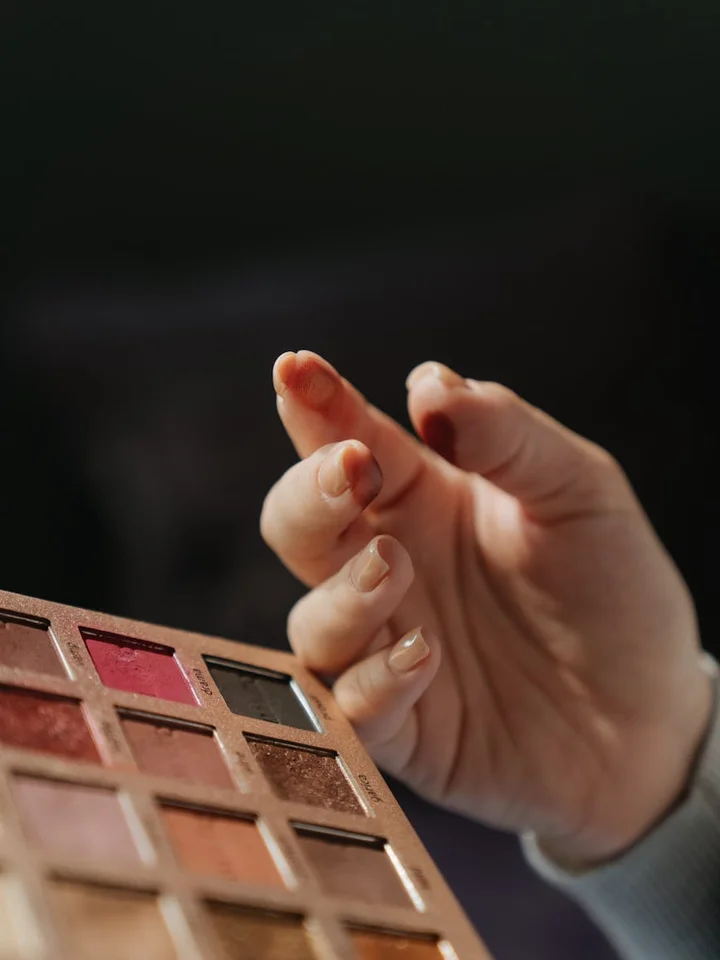
So, are NYX products suitable for acne-prone skin? The honest answer is that some can be, with careful selection. No brand is universally non-comedogenic because everyone’s skin reacts differently. Think of it like food sensitivities: just because a dish is gluten-free doesn’t mean every ingredient agrees with you. Your mission is to find the specific formulas within the NYX lineup that work for your unique skin.
I work with many clients like Maya, who loves makeup but needs it to play nice with her oily, breakout-prone skin. Her success came from shifting her mindset from brand loyalty to ingredient awareness. We treat makeup like another layer of skincare, scrutinizing it just as closely.
Choosing Lower-Risk Formulas & Finishes
When browsing, gravitate toward these generally safer formats. They are less likely to create a pore-clogging environment.
- Powder Foundations & Blushes: Loose or pressed powders are often your safest bet. They sit on top of the skin without heavy emollients that can sink into pores. They’re excellent for building light, breathable coverage.
- Mineral-Based Options: Look for formulas where zinc oxide or titanium dioxide are key ingredients. These minerals are inherently less irritating and don’t typically feed acne-causing bacteria.
- Water-Based Formulas: If you prefer a liquid, check that “aqua” or “water” is the first ingredient. These are typically lighter than oil-based or “long-wear” counterparts that rely on heavier sealing polymers.
A good rule of thumb is to compare a lightweight, water-based serum to a thin layer of hydrating toner, while a rich, oil-based cream is more like a heavy winter blanket-great for some, but suffocating for acne-prone pores. For daily wear, aim for the “toner” weight.
The Non-Negotiable Nightly Ritual: Gentle Double Cleansing
This step is more critical than any product choice. Wearing makeup, even non-comedogenic makeup, without perfect removal is like exercising in a sweat-soaked shirt all night—it’s a recipe for congestion.
My client Noah, with his reactive skin, taught me the importance of a gentle double cleanse. Harsh scrubbing irritates his barrier, but a two-step melt-and-rinse method gets everything off without a fight.
- First Cleanse: An Oil or Balm. Yes, oil! A light, fragrance-free cleansing oil or balm melts makeup, sunscreen, and excess sebum on contact. It binds to the oily substances on your face so they can be rinsed away. Massage it onto dry skin for 60 seconds, then emulsify with a little water and rinse.
- Second Cleanse: A Gentle, Water-Based Cleanser. This step washes away any last traces and sweeps the skin clean. Use a lukewarm water and a non-stripping formula. Your skin should feel calm and soft, not squeaky-tight.
If you skip this, you are essentially leaving potential pore-cloggers and debris on your skin to marinate overnight, which defeats the purpose of choosing acne-safe makeup.
Becoming Your Own Best Ingredient Detective
You now have the core tools. You know to look for powders, minerals, and water-based fluids. You know the sacred rule of double cleansing. The final skill is learning to read your own skin’s reactions.
Start a simple skin journal. When you try a new NYX product, note it down. If you notice new clogged pores or tiny bumps (what I call “texture”) along your jaw or cheeks after a few days, that product might be a culprit. Patch test new items near your jawline for a week before committing to full-face use.
Lina, with her combination skin, keeps a notes app log. It helps her see patterns, like which primer works under her T-zone foundation without causing closed comedones on her cheeks. Your skin’s feedback is the most valuable data you have.
Empowerment comes from knowing that you can enjoy makeup without fear, by becoming an observer and a curator of what you put on your skin. You are not at the mercy of a label; you are in charge of the routine.
Your NYX & Non-Comedogenic Makeup Questions, Answered
Does NYX test all its products for pore-clogging?
NYX uses the “non-comedogenic” claim selectively, stating certain products are formulated without known pore-clogging ingredients. They do not, however, publish comprehensive clinical comedogenicity data for their entire line, which is common in the cosmetics industry.
Which NYX products should I choose if I’m acne-prone?
Focus on powder formulas (foundations, blushes) and water-based liquids where “aqua” is the first ingredient. These are generally lower-risk, as they sit more lightly on the skin compared to rich, oil-based, or heavy long-wear formulations.
Where can I find the complete ingredient list for an NYX product?
Always check the product packaging or the official NYX website for the full INCI list. Storefront descriptions are often abbreviated; you need the complete list to properly assess any potential triggers for your skin.
Final Thoughts on NYX and Pore-Clogging
Navigating makeup labels is less about trusting a single word and more about becoming an ingredient detective. Your best strategy is to cross-check your favorite NYX products against your unique skin profile and known pore-cloggers.
- Always patch test a new foundation or concealer along your jawline for a few days before applying it to your entire face.
- Focus your caution on products with high concentrations of ingredients like isopropyl myristate, coconut alkanes, or certain waxes if you are acne-prone.
- Use free resources like INCIDecoder or the AcneClinicNYC comedogenic list to research specific formulas before you buy.
- Remember that flawless makeup starts with healthy skin; a consistent, gentle cleansing routine is non-negotiable.
I’m always here to help you decode your products. If you have a specific NYX item you’re wondering about, feel free to ask in the comments on the blog. We update our ingredient guides regularly because making informed, skin-friendly choices is a powerful part of your self-care. Your perfect, non-clogging makeup look is out there.
Industry References
- + Non Comedogenic – Setting Spray & Powders
- Can’t Stop Won’t Stop Full Coverage Foundation – NYX Cosmetics
- NYX Professional Makeup Can’t Stop Won’t Stop 24hr Full Coverage Liquid Foundation, Matte Finish, Waterproof, Buff, 1 fl oz – Walmart.com
- NYX Professional Makeup Can’t Stop Won’t Stop 24 Hour Foundation (Various Shades) | Cult Beauty
- NYX Professional Makeup Can’t Stop Won’t Stop Full Coverage Foundation – oh feliz
- NYX Can’t Stop Won’t Stop Foundation Review
Lucy Zimmerman
Lucy is an expert author and blogger when it comes to skin care and body care. She has first hand expertise acting as skin care consultant for over 5+ years helping her clients achieve smooth blemish free skin with natural and working remedies. She also has been an avid experimenter and tried out all the natural and artificial remedies and treatments so you can learn from her first hand experience. Additionally, she has traveled to many countries around the world and incorporated the skin care routines she has learnt into this blog. So, wait no more, reach out to Lucy if you have any specific needs and follow her blog, LuciDerma for expert skin care advice.