
Glycerin or Propylene Glycol? Your Simple Guide to Skin-Loving Humectants
You’ve probably spotted glycerin and propylene glycol on product labels and wondered which one is better for your skin. I hear this from clients all the time, and it’s a perfect question for anyone wanting to hydrate wisely.
In this article, you’ll learn:
- How each humectant pulls moisture to your skin, explained without the jargon.
- The feel and performance differences, so you can pick what works for oily skin like Maya’s or dry skin like Noah’s.
- How to use this info to choose products that actively strengthen your skin barrier.
You’ll walk away with clear, actionable knowledge for your routine.
The Quick Comparison: Glycerin and Propylene Glycol at a Glance
Before we get into the details, let’s agree on one thing. A humectant is your skin’s best friend on a dry day. Think of it like a tiny, hardworking sponge. Its job is to pull water molecules from the deeper layers of your skin and from the air around you, holding that moisture right at the surface where your skin cells can drink it up.
Glycerin and propylene glycol are both superstar humectants. They share that core mission: to hydrate. Where they differ is in their personality, origin, and how they feel on your skin. This quick-reference table breaks down the basics.
| Feature | Glycerin | Propylene Glycol |
|---|---|---|
| What is it? | A simple, sugar-alcohol molecule. Often derived from plants like soy or palm. | A synthetic organic compound (a diol). It’s a byproduct of petroleum refining, but can also be made from plant-based glycerin. |
| Typical Feel | Syrupy, slightly viscous. Can feel tacky if used in high concentrations alone. | Thinner, more slippery, and lightweight. Often feels less sticky. |
| pH | Neutral (around 7) | Neutral to slightly acidic |
| Common Use Concentration | 5-20% in leave-on products | Usually 5-15% in skincare |
| Solubility | Highly soluble in water. | Excellent solubility in both water and oils, which makes it a versatile carrier. |
| Safety & Sensitization | Exceptionally high safety profile. Rarely causes irritation, making it a go-to for sensitive skin. | Generally recognized as safe, but has a higher potential to cause contact irritation or allergic reactions in a small subset of people. |
The main takeaway here is that both are effective humectants, but glycerin is the gentler, more predictable choice for reactive skin, while propylene glycol is a versatile texture-enhancer with a slightly higher irritation risk. Their texture difference is the first clue: glycerin is the reliable, slightly sticky friend, while propylene glycol is the slick, multi-tasking helper.
Getting to Know Glycerin: The Gentle Workhorse
If humectants had a hall of fame, glycerin would be a first-ballot inductee. It’s been a trusted skincare ingredient for over a century, and for good reason. Most of the glycerin in ethical skincare today comes from plant oils, which fits perfectly with a conscious approach to beauty. It’s also considered safe and non-comedogenic compared to some plant-based ingredients like algae and aloe which can sometimes clog pores.
On its own, pure glycerin has a thick, syrupy texture. If you’ve ever used a product and noticed a faint, pleasant tackiness as it dries, that’s often glycerin doing its job. This isn’t a flaw-it’s a sign it’s binding water to your skin. In well-formulated products, other ingredients balance this feel out.
The benefits of glycerin are well-documented and impressive:
- It directly hydrates the outer layer of skin, making it look plump and feel soft.
- It supports the skin barrier by helping skin cells mature properly and hold onto water.
- It can soothe feelings of tightness and dryness almost immediately upon application.
- It plays well with almost every other active ingredient, from gentle niacinamide to potent retinoids.
Glycerin’s greatest strength is its profound gentleness and compatibility with even the most delicate skin types. This is why it’s a staple in products I recommend to clients like Noah, who has dry, reactive skin. His skin needs hydration without any drama, and glycerin delivers that consistently. The Cosmetic Ingredient Review Expert Panel considers it safe at all concentrations used in cosmetics.
And a quick chemistry note: if you see ‘glycerol’ on an ingredient list, don’t be confused. Glycerin and glycerol are the same exact molecule. The names are used interchangeably in skincare, so you can choose products with either term confidently.
Understanding Propylene Glycol: The Texture Magician
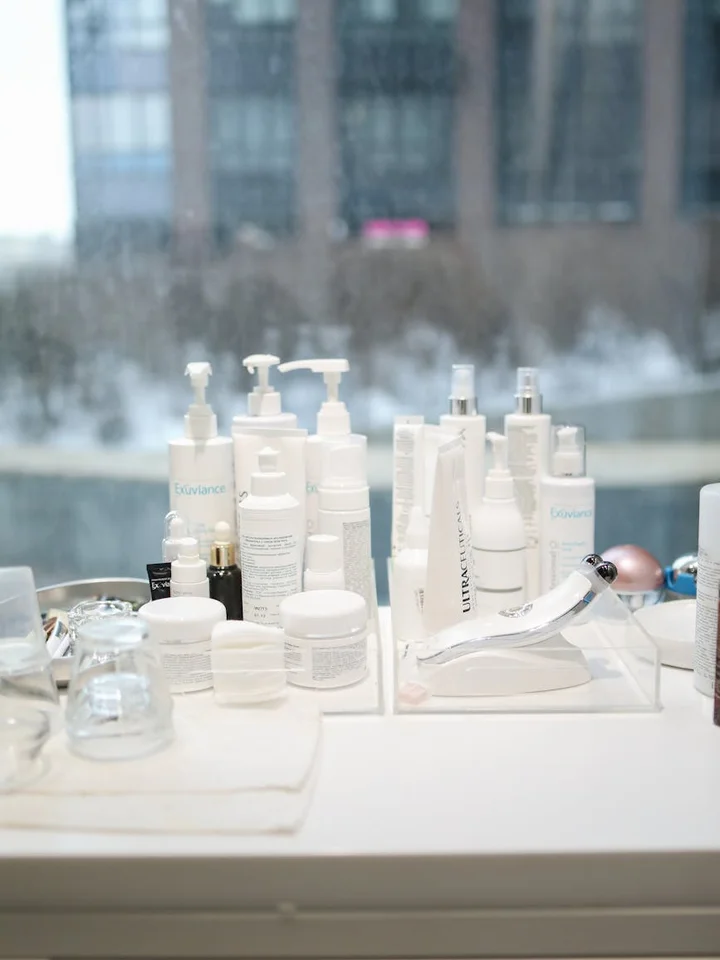
If glycerin is the hydration workhorse, propylene glycol is the artist of texture and feel. Chemically, it’s a synthetic or plant-derived alcohol, often created as a byproduct of biodiesel production from vegetable oils.
Its primary job in your skincare is not to be the star hydrator, but to make everything else work and feel better. It’s incredibly lightweight, almost like a thin veil of water. When you layer hydrating serums and moisturizers, this lightweight base helps each step work more effectively. Think of it as a receptive primer for your hydration routine.
Propylene glycol excels at improving a product’s spreadability and helping other beneficial ingredients sink into your skin more effectively. This makes it a favorite for formulators who want results without a heavy, sticky finish.
The benefits are all about user experience. It helps create those elegant, non-greasy textures we love in serums and lotions. It can prevent a formula from drying out on the shelf and acts as a solvent, keeping active ingredients stable in the bottle.
Let’s talk safety directly, as I would with a client like Noah, who has reactive skin. Propylene glycol is considered safe and well-tolerated by the vast majority of people, and it’s used in many pharmaceuticals and foods. For most skins, it’s a non-issue, unlike some ingredients that can cause irritation even in sensitive or reactive skin types.
In rare cases, usually for those with extremely sensitive, compromised, or already irritated skin, it can act as a potential irritant or sensitizer. If you know your skin reacts to everything, it’s one to patch test.
You’ll find it far beyond skincare. It’s a common humectant in glycerin propylene glycol eye drops for lubrication, in inhalers, and even in the fog machines at concerts. Its safety and versatility are well-established.
The Formulation Pro-Tip: How Chemists Use Them
In the lab, glycerin and propylene glycol aren’t rivals; they’re a powerhouse team. Formulators blend them to get the perfect balance of deep hydration and silky-smooth application.
Think of it like a recipe. Adjusting the glycerin propylene glycol viscosity ratio is how a chemist fine-tunes a product’s feel from a water-like toner to a creamy moisturizer. More glycerin often means a thicker, more substantive pull. More propylene glycol can lighten the texture, making it glide effortlessly.
Typical concentrations vary by product type. In a rinse-off cleanser, you might see a lower percentage of both, just enough to prevent your skin from feeling stripped. In a hydrating serum, humectants like these are front and center, often making up a significant part of the formula. In a rich cream, they work under heavier emollients and occlusives to draw water into the skin first.
The “glycerin propylene glycol viscosity formula” is a chemist’s tool, but for you, it translates directly to whether a product feels sticky, slick, rich, or light on your skin.
Where You’ll Find Them: Decoding Your Product Labels
Knowing where these ingredients typically hang out helps you shop smarter. Here’s a quick guide:
- Glycerin (or Glycerol): Look for it in heavy-duty barrier repair creams, rich body lotions, and any product marketed for “intense hydration” or “moisture repair.” It’s the go-to for bolstering a weak skin barrier.
- Propylene Glycol: You’ll spot this in lightweight gel moisturizers, clear serums, sheet masks, and many makeup primers. Its talent for creating non-greasy finishes makes it ideal for oily or combination skin types, like my client Lina, who loves a hydrating gel for her T-zone.
Very often, they are used together. This combo gives you the deep, barrier-supporting hydration of glycerin with the cosmetically elegant, fast-absorbing feel provided by propylene glycol.
On an ingredient list (using International Nomenclature of Cosmetic Ingredients, or INCI), you’ll see them simply as “Glycerin” and “Propylene Glycol.” Remember, the higher an ingredient is on the list, the greater its concentration in the formula. If you see both in the top five ingredients, you know hydration and texture were top priorities for that product.
Making Your Choice: A Simple Guide for Your Skin Type
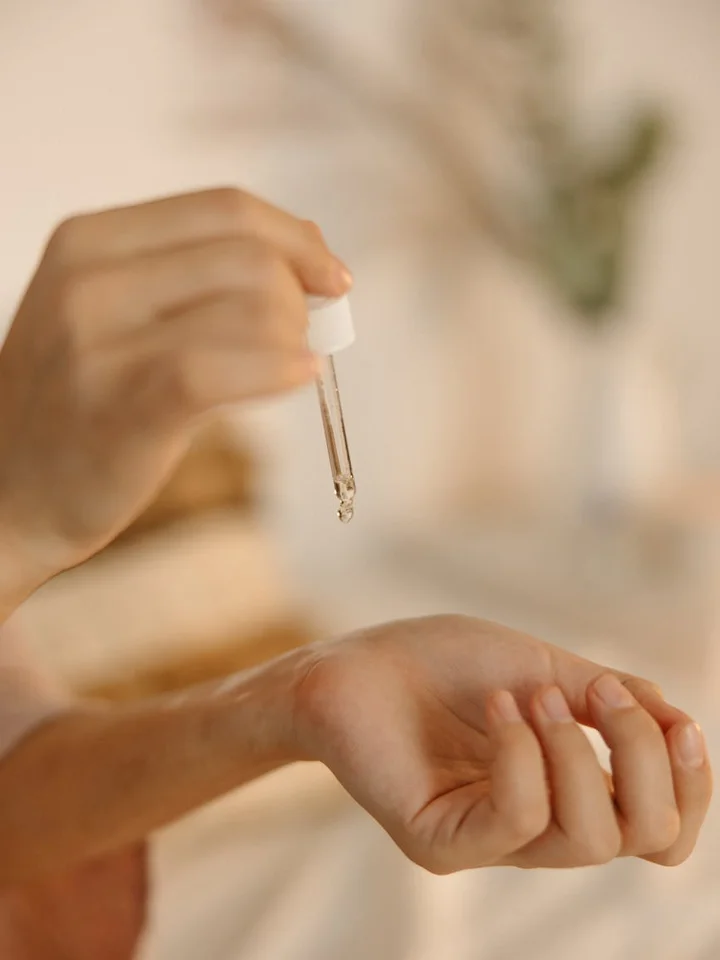
Choosing between glycerin and propylene glycol isn’t about finding a winner. It’s about matching the ingredient’s behavior to your skin’s needs. Here’s how to pick.
For dry, barrier-compromised skin like Noah’s, glycerin is your best friend. His skin feels tight and reactive, needing deep hydration that also helps repair. Look for moisturizers or serums where glycerin is high on the ingredient list; these formulas are excellent at drawing and holding water to soothe parched skin. They create a comforting layer that doesn’t evaporate quickly, giving his barrier the support it needs, much like natural moisturizing factors.
If you have oily or combination skin like Maya or Lina, texture is everything. Maya needs hydration that won’t clog her pores, and Lina wants to balance her T-zone without upsetting her cheeks. Products that use propylene glycol or a blend of humectants often have a lighter, fast-absorbing feel, delivering moisture without a heavy finish. Think of it like a thin, hydrating mist versus a thicker blanket-both help, but one suits active, oil-prone skin better.
For very sensitive skin, always start simple. Glycerin, especially in pure or minimal formulas, is generally well-tolerated. Introduce any product containing propylene glycol with a careful patch test, as individual tolerance can vary even with common ingredients. I’ve seen clients react to seemingly gentle formulas, so listening to your skin is key. This is particularly important when using active ingredients like salicylic acid or glycolic acid.
And to answer the common question: yes, glycerin and propylene glycol are generally considered safe for skin in cosmetic formulations. Skin tolerance is personal, which is why patch testing is a non-negotiable step.
Special Considerations: Sensitive Skin, Halal, and Viscosity
Let’s address a few specific concerns calmly. First, irritation. Any ingredient, no matter how benign, can cause a reaction in some people. Propylene glycol has a slightly higher potential for this than glycerin, though it’s still rare. If you have a history of sensitivities, apply a small amount of product behind your ear or on your inner arm for a few days before using it on your face. This simple test can prevent a lot of discomfort.
For those seeking halal products, both glycerin and propylene glycol can be derived from plant sources. If this is a priority for you, check directly with the brand or manufacturer for certification, as ingredient sourcing isn’t always clear on the label. Many ethical skincare companies are transparent about their origins.
Finally, forget about viscosity. That’s a technical property-how thick or thin a substance is-that formulators adjust to create your serum’s or cream’s texture. You don’t need to calculate or worry about it; your only job is to notice if the product feels good and works well on your skin.
Building Your Routine: Practical Steps for Better Hydration
Using humectants effectively is a simple two-step process: apply them to wet skin, then seal them in. Here’s exactly how to do it.
- After cleansing, gently pat your face with a towel so it’s still damp. Don’t let it dry completely.
- Immediately apply your humectant-rich product-be it a toner, serum, or lightweight gel. This helps pull that surface water into your skin.
- Within a minute or two, follow up with your moisturizer or a few drops of face oil. This sealing step is critical; it traps the hydration from the humectant, preventing it from evaporating and leaving your skin even drier. Think of your humectant as a sponge that soaks up water, and your moisturizer as the wrap that keeps it from drying out.
Before any new product joins your routine, patch test it. Apply a pea-sized amount on a small area of your neck or jawline for three to five nights. Watch for redness, itching, or bumps. A patch test can help you spot potential comedogenic reactions before they affect more skin. It also guides you in choosing products that suit your skin without clogging pores. This routine helps you introduce new ingredients safely, especially if you have reactive skin like Noah or Lina.
At the end of the day, the best humectant for you isn’t the most scientifically advanced one. It’s the one your skin tolerates happily and you enjoy using every single day. Consistency with a simple, effective routine always beats a complicated one you abandon.
Your Humectant Questions, Answered
Which humectant is better for the delicate eye area?
For the thin skin around the eyes, glycerin is often the preferred choice in skincare due to its exceptional gentleness. In ophthalmology, specific blends of glycerin *and* propylene glycol are used in eye drops for lubrication, but for cosmetic leave-on products, formulations high in glycerin typically pose the lowest risk of irritation.
How do I choose between them for my daily moisturizer?
Let your skin type and texture preference guide you. Prioritize glycerin if your focus is barrier support and you don’t mind a potentially richer feel; lean toward products with propylene glycol if you crave a featherlight, fast-absorbing texture that layers seamlessly under makeup.
How can I verify if these ingredients are plant-derived or halal?
Both ingredients can be synthetic or derived from plant sources like vegetable oils. Since ingredient lists (INCI) don’t specify origin, you’ll need to check the brand’s website for sourcing transparency or look for official halal certification from a recognized body on the product packaging.
Making Smart Choices for Hydrated Skin
When selecting a humectant, glycerin is the clear winner for consistent, gentle hydration that strengthens your skin barrier over time. I trust it for my clients and in my own routine because it performs well without compromising on ethics or skin health.
- Prioritize glycerin in leave-on products like serums and moisturizers for reliable, irritation-free hydration.
- Use propylene glycol cautiously in rinse-off formulas if you have oily skin, but always conduct a patch test behind your ear first.
- Always apply your humectant to damp skin and follow with a moisturizer to lock in the water it draws.
- Check for plant-derived glycerin and leaping bunny logos to ensure your choice aligns with sustainable, cruelty-free values.
We’re dedicated to exploring skincare ingredients with you on the LuciDerma blog. If you’re wondering which product is right for your skin type, send us your questions-we read every one and are here to help you build a routine that feels good and does good, especially when combining products like adapalene.
Expert Resources and Citations
- Propylene Glycol vs. Glycerin |Sanco Industries | Sanco Industries
- Propylene Glycol and Glycerine in E-Liquid Manufacturing
- r/DIYBeauty on Reddit: Glycerin vs. PG in lotion, preference?