
Your Humid Climate Skincare Guide: Non-Comedogenic Products for Clear Pores
I see it in my clinic every year: perfectly clear skin suddenly feeling suffocated and prone to clogged pores the moment humidity rises. Let’s tackle that sticky-skin feeling together with some smart, breathable solutions.
By the end of this guide, you will be empowered to:
- Understand exactly how humid air interacts with your skin and why lightweight, non-comedogenic formulas are non-negotiable.
- Select effective products from cleansers to moisturizers that protect your pores instead of clogging them.
- Build a straightforward, adaptable routine that keeps your skin calm and clear through the muggiest days.
You can absolutely enjoy the warmth without the worry of new breakouts.
Why Humidity Makes Your Skin Feel So Clogged
Humid air is full of water vapor. Your skin knows this. In high humidity, your sweat has a harder time evaporating off your skin’s surface. At the same time, the heat that often comes with humidity can signal your glands to pump out more sebum, your skin’s natural oil. The result is a warm, damp, oily environment on your skin that feels heavy.
This is where that frustrating sensation comes from. A moisturizer or serum that felt fine in a dry climate can suddenly feel like it’s just sitting on top of your skin, never sinking in. It’s like trying to pour more water onto a sponge that’s already completely saturated. The sponge can’t hold any more, so the water just pools on the surface. Your skin, already busy managing extra moisture and oil, struggles to absorb heavier product layers.
This sticky, slick feeling is your first clue that your routine needs a humidity-friendly adjustment. For someone like my client Maya, who has oily skin, this can lead to more blackheads and congestion. For Lina with combination skin, her T-zone becomes an oil slick while her cheeks might feel okay. This is exactly why we turn to non-comedogenic formulations-they are designed to provide what your skin needs without adding to that “full sponge” feeling and potentially clogging pores.
Non-Comedogenic, Decoded: More Than Just a Label
Let’s simplify the jargon. “Comedogenic” simply means something has a tendency to clog pores and form comedones (the medical term for blackheads and whiteheads). “Non-comedogenic” means a product is formulated with ingredients less likely to do that.
Here’s the critical part: “non-comedogenic” is not a strictly regulated term by agencies like the FDA. A company can put it on a label based on its own testing. This doesn’t mean the claim is false, but it does mean we need to be smart ingredient detectives. Your best tool is learning to recognize ingredients known to be pore-clogging for many people, like certain heavy oils, waxes, and fatty alcohols.
You might see “oil-free” on labels too. For humid weather, an oil-free product is often a great choice, but it’s not the same as non-comedogenic. An oil-free gel moisturizer is typically very light. But a product can be non-comedogenic and still contain light, beneficial oils that don’t clog pores, like squalane or hemp seed oil. In humidity, you’re often looking for both qualities: oil-free or very light oils, plus a non-comedogenic formula.
Since everyone’s skin is unique, the final test happens on you. Try this simple patch test when introducing a new product in a humid season:
- Apply a small amount of the product to a test area, like the side of your jaw or a small part of your forehead.
- Use it consistently in that one spot for at least one week, preferably through a few humid days.
- Watch for new small bumps, blackheads, or redness in that exact area.
If the test patch remains clear while the rest of your face feels good, you’ve likely found a winner for your skin in the humidity. Noah, my client with reactive skin, uses this method with every new product to avoid widespread flare-ups. It’s a small step that saves a lot of frustration.
Building Your Humidity-Proof, Non-Clogging Routine
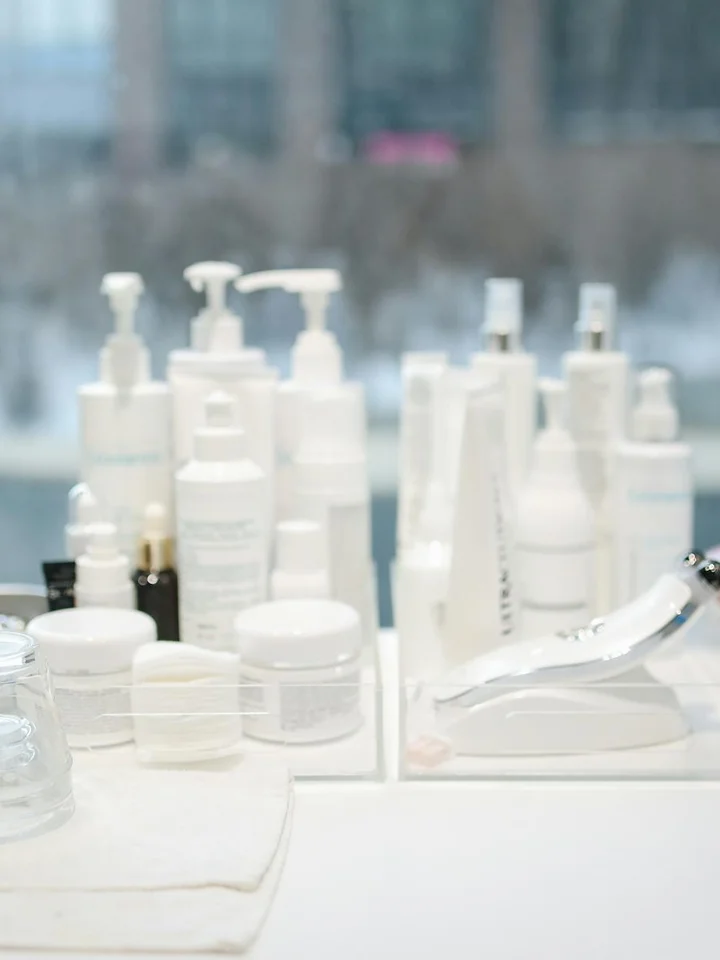
In a humid climate, your goal is to support your skin without smothering it. Think of your routine as a light, breathable outfit for your face. This simple framework keeps pores clear and skin comfortable. Especially when comparing humid and dry climate routines, it’s crucial to adjust your products accordingly.
A simple, consistent routine is more effective than a complex one that you abandon when the stickiness hits.
Your Daily Framework
Morning (3 steps): Cleanse, Treat, Protect.
- Cleanse: A quick wash with water or a gentle cleanser to refresh.
- Treat: Apply a lightweight serum or toner with active ingredients.
- Protect: Moisturize (if needed) and always apply sunscreen.
Evening (3-4 steps): Cleanse, Treat, Moisturize.
- First Cleanse: Use a micellar water or cleansing oil to remove sunscreen and makeup.
- Second Cleanse: Use your pH-balanced gel or foaming cleanser.
- Treat: Apply your treatment serum or exfoliant (on designated nights).
- Moisturize: Use a light layer of your chosen moisturizer to support skin repair overnight.
The Perfect Humid Climate Cleanse
Cleansing in humidity is about removing excess oil, sweat, and pollution without stripping your barrier. My client Maya, with her oily, acne-prone skin, found her sweet spot with a specific type of formula.
Look for gel or foaming cleansers with gentle surfactants like sodium cocoyl isethionate or decyl glucoside. They lift away grease without that tight, squeaky-clean feeling. A pH-balanced formula (around 5.5) is non-negotiable; it respects your skin’s natural acid mantle, preventing it from overproducing oil to compensate for being stripped.
Avoid harsh soaps or high-pH cleansers. They might feel powerful, but they often trigger more oil and sensitivity, especially when combined with heat and sweat.
Lightweight Layers: Serums, Toners, and Treatments
This is where you target your concerns. The air is already supplying moisture (humectants), so your products should manage oil and refine pores without adding heaviness.
Toners: Skip the harsh, alcohol-based astringents. Instead, look for non-comedogenic toners with niacinamide, green tea, or willow bark extract. These help control sebum and calm inflammation. A hydrating toner with beta-glucan or glycerin can also be perfect for balancing Noah’s drier, reactive cheeks without clogging his pores.
Serums: Lightweight, water-based serums are your best friend. Niacinamide (4-5%) is a star for regulating oil and strengthening the barrier. For gentle exfoliation that doesn’t inflame sensitive skin, polyhydroxy acids (PHAs) like gluconolactone are superb. They hydrate while they slough off dead cells.
Exfoliation Frequency: In humid heat, skin can be more permeable and sensitive. Start slow. Use a PHA or salicylic acid (BHA) product 2-3 nights a week, max. Watch for signs of irritation like stinging or redness. Lina, with her combination skin, does well using a BHA toner only on her T-zone every other night during humid months.
Fungal Acne Note: Humidity can feed malassezia, the yeast linked to fungal acne. If you’re prone to tiny, uniform bumps that itch, seek formulas free from most oils and esters. Look for ingredients like piroctone olamine, zinc pyrithione, or caprylic acid in cleansers or leave-on products. Always patch test.
Moisturizer & Sunscreen: The Humidity-Smart Seal
Yes, you still need moisturizer, even if you’re oily. It’s about choosing the right texture. In humidity, you need a light blanket, not a winter duvet.
Look for gel-creams, water-gels, or light lotions. These often contain humectants like glycerin or sodium hyaluronate to bind water, and light silicones like dimethicone or cyclopentasiloxane to create a breathable seal without greasiness.
For sunscreen, the finish is everything. You need a formula that feels like nothing and won’t slide off with sweat.
Chemical sunscreens with modern filters often have the most elegant, dry-touch finishes suitable for high humidity. Physical (mineral) sunscreens with zinc oxide and/or titanium dioxide are fantastic for sensitive skin but can feel heavier and may sweat off more visibly. Look for “matte” or “fluid” versions.
Many effective non-comedogenic sunscreens, like formulated specifically for acne-prone skin, use a blend of filters for broad-spectrum protection and a comfortable feel.
Molecule Spec Sheet: Ethylhexyl Salicylate (Octisalate)
| Property | Detail |
|---|---|
| Primary Role | UVB sunscreen filter, solvent booster |
| Feel on Skin | Light, oily texture but often formulated to be non-greasy |
| Solubility | Oil-soluble |
| Safety & Notes | Generally well-tolerated; helps dissolve other sunscreen actives for even application. |
A Note on Makeup
If you wear makeup, choose products that let your skin breathe. Powder-based mineral foundations and blushes are excellent non-comedogenic choices for humid weather. For liquids, seek water-based, oil-free formulas labeled non-comedogenic. Make sure to check for non-comedogenic foundations and moisturizers specifically designed for your skin type.
A great tip is to set your makeup lightly with a translucent silica powder only in your oiliest areas. Avoid heavy layers of powder or setting spray, which can mix with sweat and create a pore-clogging paste.
Your Humidity Skincare Ingredient Guide
Think of this as your quick-reference shopping list for humid days. It’s not about good vs. bad ingredients, but about what functions best when the air is thick with moisture.
Ingredients to Look For
These ingredients deliver benefits without a heavy, occlusive feel.
- Dimethicone (lightweight): A silicone that creates a smooth, breathable barrier to prevent water loss without feeling greasy.
- Glycerin & Sodium Hyaluronate: Humectants that pull water into the skin. In humidity, they grab moisture from the air, helping plump skin without adding oil.
- Niacinamide: The multi-tasker. It helps regulate oil production, calms redness, and improves the skin’s barrier function. The concentration matters for how you use it.
Top Formulas by Concentration: Niacinamide
| Concentration Range | Best For in Humidity | How to Use in Routine |
|---|---|---|
| 2-5% | Barrier support, mild oil regulation | Daily use in serums or moisturizers |
| 5-10% | Targeted oil and pore management, improving texture | Serum step, 3-4 times weekly |
| 10%+ | Potentially irritating in humid heat; use with caution | Spot treatment or short-contact therapy |
- Polyhydroxy Acids (PHAs): Like gluconolactone. They gently exfoliate and hydrate simultaneously, making them ideal for sensitive or reactive skin in humid conditions.
Ingredients to Be Cautious With
These are not “bad” ingredients. In fact, I often recommend them for very dry skin or as overnight treatments. But for daytime use in high humidity, they can be too occlusive, trapping sweat and sebum in your pores.
- Heavy Oils: Coconut oil, cocoa butter, and some heavier plant oils are highly comedogenic for many.
- Thick Waxes & Butters: These are fantastic barriers in dry climates but can feel like a suffocating mask in humidity.
- Petrolatum (in daytime formulas): The ultimate occlusive. It’s a healing marvel for dry patches, but save it for targeted nighttime repair, not your all-over humid day moisturizer.
Finding Your Non-Comedogenic Matches

When the air gets thick, your skincare budget doesn’t have to. Affordable, effective products for humid weather are plentiful if you know where to look. You can tailor your routine for oily or dry skin without overspending. Customize your skincare approach to fit your skin type in humid weather.
I often recommend starting with brands built for sensitive or acne-prone skin, as their formulas are typically mindful of pore-clogging ingredients. Many drugstore and mass-market brands now offer excellent “oil-free” and “gel” lines that are perfect for this climate. Don’t overlook indie or online brands either; they often focus on simple, clean ingredient lists that align well with non-comedogenic moisturizers for acne-prone skin.
How to Spot a Humidity-Friendly Formula
You don’t need a chemistry degree. Start by looking for these keywords on the front label: gel, water-based, oil-free, or lightweight lotion. These indicate a formula designed to absorb quickly without sitting heavily on your skin.
The real work happens on the back label. Cross-reference the ingredient list with the guide from the previous section. Look for the hydrators and emollients we talked about, like hyaluronic acid and squalane, and avoid the common comedogenic suspects like coconut oil or heavy silicones. Remember, an ingredient high on the list is present in a larger amount.
A Smart Testing Strategy from Client Lina
My client Lina, who has combination, sensitive skin, taught me a brilliant method for humid seasons. When her T-zone gets oilier in the summer, she implements a “one-in, one-out” rule. She only introduces one new product at a time and gives it a full two weeks before adding anything else.
This way, if her skin reacts or starts to feel congested, she knows exactly which product is the culprit. It turns product testing from a guessing game into a controlled experiment. She keeps a simple note on her phone to track what she started and when.
Your Best First Step: The Patch Test
Before you apply any new product all over your face, always do a patch test. This is your best defense against a full-face reaction. Apply a small amount of the product to a discreet area like behind your ear or along your jawline.
Do this for at least three, but ideally five, consecutive days. Watch for any signs of redness, itching, or new small bumps. If your skin stays clear and happy, you can likely proceed to use the product more widely. This simple step saves you from undoing weeks of progress with a single misstep.
Your Non-Comedogenic Humidity Questions, Answered
Can non-comedogenic products help with fungal acne in humid climates?
Absolutely. Humidity can exacerbate fungal acne (malassezia), which feeds on certain oils. Look for non-comedogenic products that also avoid common malassezia-triggering ingredients, opting for formulas with piroctone olamine or zinc pyrithione instead.
How often should I use non-comedogenic exfoliants in a humid climate?
Start slowly, about 1-2 times per week. Heat and humidity can make skin more permeable, so monitor for any signs of irritation like stinging or redness, and adjust frequency from there.
What’s the real difference between ‘non-comedogenic’ and ‘oil-free’ for humid weather?
‘Oil-free’ means the formula contains no oils, while ‘non-comedogenic’ means it’s formulated to not clog pores. For humidity, you often want both: a product free of heavy oils and vetted for pore safety.
Your Humidity-Proof Skin Game Plan
The most reliable strategy for humid climates isn’t about finding one magic product. It’s about building a consistent routine with lightweight, breathable formulas that protect your skin without trapping heat and moisture. Trust the process of gentle cleansing, strategic hydration, and unwavering sun protection.
- Cleanse with a gentle, water-soluble formula morning and night to remove humidity-driven sweat and oil.
- Choose hydrators with a gel or fluid texture over rich creams for daytime use.
- Layer products from thinnest to thickest consistency to ensure each one absorbs properly.
- Be wary of heavy plant butters and oils in leave-on products; they can act like a sweater in summer.
- Keep blotting papers in your bag to manage midday shine without disturbing your sunscreen or makeup.
Remember, your skin’s needs can change with the weather and your own cycles. If you try a new approach, give it a few weeks to show results. I’m always here to help you navigate through our blog. If you have a specific question about a product texture or ingredient, send it my way. We can figure out a sustainable, kind-to-skin plan that lets you enjoy the warmth without the worry.
Industry References
- The Best Skincare Practices When Moving to a Humid Climate | Robert Wald, MD
- Skincare Routine for a Humid Climate | Tatcha
- How To Take Care of Oily Skin in Humid Weather | Cetaphil US
- Skincare Tips for Hot & Humid Climates – Olay.com
- Do’s and Don’ts of Skincare During Humid Weather
- Is Humidity Good for Skin? – DEINDE
- Skincare For Humid Weather – bluemercury
- Summer Skincare Routines For Dry vs. Humid Climates– Andalou Naturals US
- 7 Hydrating Skincare Hacks for Tropical Climates
- The Best Skincare Routines for Different Climate Conditions
Lucy is an expert author and blogger when it comes to skin care and body care. She has first hand expertise acting as skin care consultant for over 5+ years helping her clients achieve smooth blemish free skin with natural and working remedies. She also has been an avid experimenter and tried out all the natural and artificial remedies and treatments so you can learn from her first hand experience. Additionally, she has traveled to many countries around the world and incorporated the skin care routines she has learnt into this blog. So, wait no more, reach out to Lucy if you have any specific needs and follow her blog, LuciDerma for expert skin care advice.