
Mandelic Acid and Benzoyl Peroxide: Your Guide to Combining Them Safely
If you’re eyeing your skincare shelf and wondering if mandelic acid and benzoyl peroxide can play nice, I get it. My client Maya, with her oily, acne-prone skin, asks me this same question every time she wants to tackle a breakout without the sting.
By the end of this guide, you’ll know:
- The simple science behind why these ingredients can be a powerful team for clearing pores.
- Exactly how to layer them in your morning or night routine to avoid irritation.
- How to adjust the plan if your skin is more like Noah’s (dry and reactive) or Lina’s (combination and sensitive).
Let’s build a routine that makes your skin feel clear and calm, not confused.
The Short Answer: Can You Mix Mandelic Acid and Benzoyl Peroxide?
Yes, you can use mandelic acid and benzoyl peroxide together, but success depends on careful timing and a gentle layering strategy.
This is a question I hear often in my practice. When you’re managing acne, it’s natural to want to combine powers to tackle both active breakouts and the texture or marks they leave behind. It’s similar to wondering if you can use benzoyl peroxide and salicylic acid together-you’re looking for a comprehensive approach without causing a revolt on your skin.
I tell clients like Maya and Noah that pairing actives is absolutely possible. The goal isn’t to use them all at once, but to introduce them thoughtfully so your skin gets the benefits without the burnout.
How Mandelic Acid and Benzoyl Peroxide Work on Your Skin
Think of your skin care routine like a detailed cleanup project. Mandelic acid acts like a soft buffer smoothing the surface of a wooden table, while benzoyl peroxide works like a targeted disinfectant sprayed deep into the cracks to kill hidden mold. They operate on different levels and for different purposes.
Mandelic Acid: Your Gentle Surface Refiner
Mandelic acid is an alpha hydroxy acid (AHA) derived from bitter almonds. What makes it special is its large molecular size. This means it penetrates your skin slowly and works mainly on the very top layers. Within the wider AHA/BHA family, gentle mandelic acid AHA BHA is often highlighted for its gentleness. It sits alongside other AHAs and BHAs as a milder option for surface exfoliation.
Its primary job is to gently dissolve the “glue” between dead, dull skin cells, promoting a smoother, more even surface.
Key benefits of mandelic acid include:
- Exfoliates dead skin cells to reduce rough texture and unclog pores mildly.
- Can help fade post-inflammatory hyperpigmentation (those dark acne marks) over time.
- Often well-tolerated by sensitive or reactive skin types because it’s less irritating than smaller AHAs like glycolic acid.
This is why a client like Lina, with her combination, sensitive skin, often finds it a good fit. It can address the congestion on her oily T-zone without provoking the delicate areas on her cheeks.
Benzoyl Peroxide: The Acne Bacteria Fighter
Benzoyl peroxide (BPO) is a classic acne treatment that works by delivering oxygen deep into your pores. This oxygen creates an environment where acne-causing bacteria (Cutibacterium acnes) cannot survive, unlike salicylic acid, which works by exfoliating the skin.
It doesn’t just kill existing bacteria; it also helps oxidize and shed the lining of your pores, which prevents dead cells and oil from building up into a new clog.
Key benefits of benzoyl peroxide include:
- Reduces the number of active, inflamed breakouts by eliminating the bacterial cause.
- Helps prevent new pimples from forming with consistent use.
- Available in different formulations, such as short-contact face washes or leave-on creams and gels, allowing you to control exposure based on your skin’s tolerance.
The most common side effect is dryness, and it can cause peeling or redness when you first start. Always remember that benzoyl peroxide is a potent bleach, so it can permanently stain towels, pillowcases, and even hair.
The Chemistry of Combining: Synergies and Risks

Let’s get straight to the chemistry. Unlike some skincare ingredients that outright cancel each other out, mandelic acid and benzoyl peroxide don’t have a direct chemical reaction that neutralizes them. You can think of them as two specialists working on different parts of a problem. They don’t get in each other’s way chemically, but they do share an office space-your skin.
The Real Risk Isn’t a Reaction, It’s Irritation
The primary concern when using both is not a bad mix, but a cumulative overload that can lead to serious irritation, redness, peeling, and a compromised skin barrier. Both are active ingredients that create a controlled stress response in your skin. Using them back-to-back, especially if you’re new to either, is like doing two intense workouts in one day. Your skin needs time to recover and adapt.
I think of my client Noah, with his dry, reactive skin. Jumping straight into using both these actives together would likely leave his barrier weakened and sensitive. The goal is always to build resilience, not break it down.
How This Combo Compares to Other Acne Pairs
This is different from another common question: “can I use benzoyl peroxide and salicylic acid together?” Those two are both potent exfoliants (one a BHA, one an oxidizing agent) that can be very drying and irritating when combined directly. Mandelic acid, while an exfoliant, is generally gentler and works at a different pace, which makes it a more compatible partner for benzoyl peroxide in a carefully managed routine.
The Powerful Synergy When Done Right
When used thoughtfully, this combination can be brilliant for certain skin types. Mandelic acid acts like a gentle surface manager, clearing away dead skin cells and keeping the pore openings clear, while benzoyl peroxide works as the deep-cleaning specialist, penetrating to fight acne-causing bacteria and reduce inflammation.
This one-two punch is something my client Maya, with her oily, acne-prone skin, finds incredibly effective. Mandelic acid helps prevent the clogs that lead to pimples, and benzoyl peroxide tackles the bacteria that turn those clogs into angry breakouts. It’s a strategic defense at two levels.
For someone like Lina, with combination and sensitive skin, the approach would be more targeted-perhaps using mandelic acid all over for clarity and texture, and applying benzoyl peroxide only as a precise spot treatment on active blemishes.
Building Your Routine: A Step-by-Step Application Guide
Let’s get practical. The most common question I get is, “What order do I use these in?” My answer is almost always the same: don’t layer them together.
The safest and most effective strategy is a split routine: use benzoyl peroxide in the morning and mandelic acid at night. This separates their primary jobs-BP tackles bacteria during the day, while MA gently exfoliates and renews your skin overnight-and dramatically reduces the risk of irritation.
Can You Use Them at the Same Time?
I only consider this for clients with exceptionally resilient, non-sensitive skin who have already built a tolerance to each ingredient separately. Even then, it’s a calculated risk.
If you must, the protocol is strict. Apply a mandelic acid toner or very lightweight serum first. Wait at least 20 minutes for your skin to dry and the pH to normalize. Then, apply a benzoyl peroxide product only as a thin spot treatment on active blemishes, avoiding the freshly exfoliated areas as much as possible. This is not a full-face treatment method.
How Often Should You Start?
Start extremely slow. Think of it as introducing your skin to two new colleagues one at a time. Begin by using each product just 2 nights a week on alternating nights. For example, mandelic acid on Tuesday and Thursday, benzoyl peroxide on Wednesday and Friday.
Monitor your skin for a full two weeks. If you see no redness, stinging, or excessive dryness, you can very gradually increase frequency. Listening to your skin’s feedback is more important than sticking to a rigid schedule.
Sample Weekly Schedule
| Day | Morning | Evening |
|---|---|---|
| Monday | Gentle Cleanser, Moisturizer, SPF | Gentle Cleanser, Soothing Moisturizer |
| Tuesday | Gentle Cleanser, Moisturizer, SPF | Cleanser, Mandelic Acid, Moisturizer |
| Wednesday | Cleanser, Benzoyl Peroxide, Moisturizer, SPF | Cleanser, Soothing Moisturizer |
| Thursday | Gentle Cleanser, Moisturizer, SPF | Cleanser, Mandelic Acid, Moisturizer |
| Friday | Cleanser, Benzoyl Peroxide, Moisturizer, SPF | Cleanser, Soothing Moisturizer |
| Saturday | Gentle Cleanser, Moisturizer, SPF | Cleanser (optional Mandelic Acid if skin feels okay) |
| Sunday | Gentle Cleanser, Moisturizer, SPF | Cleanser, Soothing Moisturizer (Recovery Night) |
Your Morning Game Plan
This routine is about protection and prevention. Keep it simple and focused.
- Cleanse: Use a gentle, hydrating cleanser. You don’t need to strip your skin.
- Optional Antioxidant Serum: A vitamin C serum can be a great partner here, fighting free radicals. If you’re new to combining actives, skip this step initially.
- Benzoyl Peroxide Treatment: Apply a thin layer of your BP product (cream, gel, or wash) to acne-prone areas or all over if prescribed.
- Moisturizer: Follow with a fragrance-free moisturizer to counter BP’s drying effects.
- Sunscreen (Non-Negotiable): Mandelic acid increases sun sensitivity. Even though you use it at night, your skin is more vulnerable. Apply a broad-spectrum SPF 30 or higher every single morning, rain or shine.
Your Evening Game Plan
Nighttime is for renewal and repair. Your goal is to let the mandelic acid work without interference.
- Cleanse: Remove sunscreen and makeup thoroughly with a gentle cleanser.
- Mandelic Acid Product: Apply your mandelic acid toner, serum, or treatment. Let it absorb fully into dry skin.
- Moisturizer: Seal everything in with a nourishing moisturizer. Look for ingredients like ceramides or squalane if your skin feels dry.
Here’s the key caution: Do not use other exfoliating acids (like salicylic or glycolic) or prescription retinoids in this same evening routine. That’s a one-way ticket to irritation city. If you use a retinoid, you should use it on a completely separate night from your mandelic acid. Using multiple exfoliants together can be harsh on your skin.
Who Should (and Shouldn’t) Try This Combo
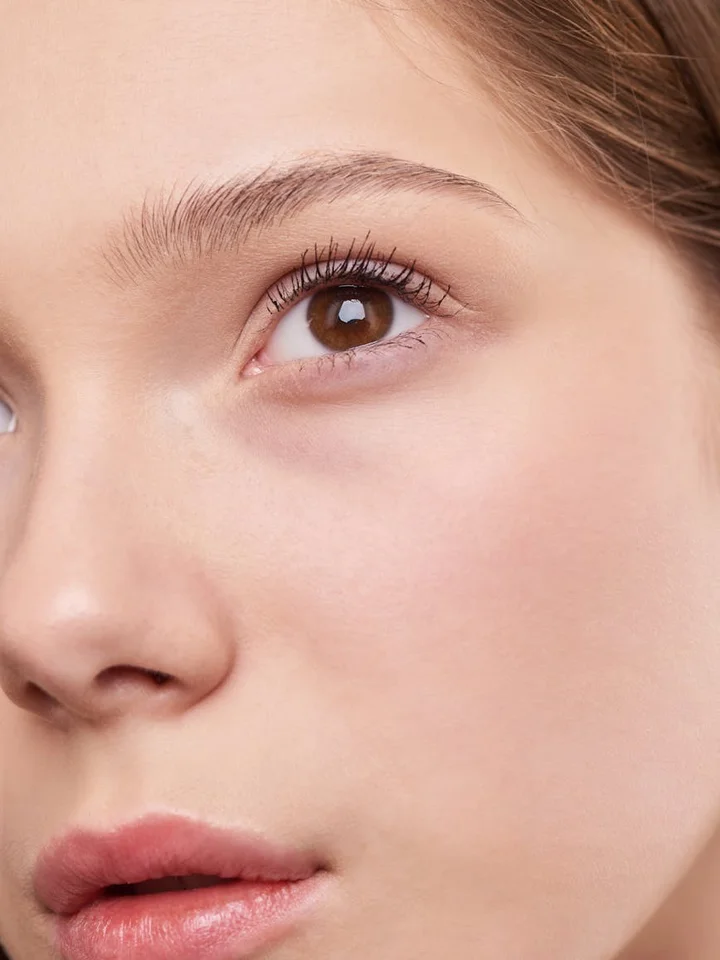
Combining active ingredients is like building a team. You want players that work well together and suit your specific strategy. For this pairing, the strategy is clear: exfoliate the surface and kill acne bacteria deeper in the pore.
The Ideal Candidate
This combination is typically best for someone with oily, resilient, and acne-prone skin. Think of my client, Maya. Her skin tends to produce excess oil and she gets clogged pores and inflammatory breakouts, but her skin barrier is intact and she doesn’t experience stinging or flushing from most products.
For skin like Maya’s, mandelic acid provides a gentle surface sweep to prevent clogs, while benzoyl peroxide tackles the P. acnes bacteria that cause red, angry bumps. The larger molecular size of mandelic acid means it works more slowly and gently than other AHAs, making it a better teammate for a potent ingredient like BP.
Clear Contraindications: Who Should Avoid This Combo
Safety first. This is a powerful combination, and some skin conditions or states simply don’t mix with it. Do not use this combination if any of the following apply to you:
- You are pregnant, breastfeeding, or trying to conceive. Always consult your doctor before introducing new actives.
- You have a visibly compromised skin barrier. Signs include persistent tightness, flakiness, a burning sensation with most products, or widespread redness.
- You are experiencing an active flare of a skin condition like eczema, rosacea, or perioral dermatitis.
- You have open wounds, cuts, or recently sunburned skin on the application area.
Applying potent actives to already inflamed or damaged skin is a recipe for setting your recovery back by weeks. Your skin’s priority needs to be repair, not further treatment.
Proceed With Extreme Caution
Then there’s skin like Noah’s. He has dry, reactive skin that leans sensitive. His first priority is always maintaining his moisture barrier. For him, and for anyone with similar skin, using mandelic acid and benzoyl peroxide together is often unnecessarily aggressive.
If you have dry or sensitive skin and are determined to try, you must treat it as a science experiment with your skin as the subject. This means extreme dilution and mandatory patch testing.
You would not start with both ingredients at full strength on the same night. You might introduce a very low concentration mandelic acid serum (5% or less) once a week, and a 2.5% benzoyl peroxide as a short-contact treatment on completely different days. They should never be layered until you know exactly how your skin tolerates each one alone for several weeks.
How to Patch Test This Combination
If you’re unsure where you fall, patch testing is non-negotiable. Here is how to do it safely:
- Apply a small amount of your mandelic acid product to a discreet area (like behind your ear or on the side of your neck) for three consecutive nights.
- Wait. Observe that area for 48-72 hours for any signs of redness, itching, or rash.
- If clear, repeat steps 1 and 2 with your benzoyl peroxide product on a different discreet area.
- Only if both ingredients pass their solo patch test, you could consider applying them together on a small, less visible patch of skin on your jawline, following your intended routine.
Listen to your skin. A slight tingle from an acid can be normal. A persistent burn, intense itching, or sudden dryness is your skin asking you to stop.
Common Side Effects and How to Manage Them
What are the potential side effects of combining these ingredients? When you team up mandelic acid and benzoyl peroxide, you’re asking your skin to handle two active jobs at once: exfoliation and fighting bacteria. For most skin types, this is manageable with a careful approach. For others, it can push the skin barrier a little too hard, leading to irritation. Your skin’s reaction tells you everything you need to know about your routine’s pace.
The most common effects are what I call “the telling trio”: dryness, redness, and flaking. You might also notice a temporary increase in sensitivity, where your skin feels a bit tender or stings slightly when you apply other products. This is your skin’s signal that it’s working hard and needs extra support, not necessarily a sign to quit.
Your Game Plan for Calm, Happy Skin
Think of managing these side effects like adjusting the temperature of a shower. If it’s too hot, you don’t jump out; you turn the knob until it’s comfortable. Here’s how to turn the knob on your routine.
- Scale back the frequency. If you’re applying them together every night and see flaking, try every other night. You can even start by using them on alternating nights-mandelic acid one night, benzoyl peroxide the next.
- Buffer with moisturizer. Apply your hydrating moisturizer *before* your treatment serum or cream. This creates a gentle, protective layer that slows down absorption, reducing the potential for irritation. It’s like putting a blanket down before you sit on a slightly scratchy surface.
- Look for soothers in your other products. Your cleanser, moisturizer, and sunscreen are your support team. Formulas with panthenol (provitamin B5), ceramides, oat extract, or niacinamide can help reinforce your skin barrier and soothe any redness.
I often think of my client, Noah, who has dry, reactive skin. He wanted to tackle texture and occasional breakouts. We introduced this combination by having him apply his ceramide moisturizer on damp skin, wait 10 minutes, then apply a tiny pea-sized amount of a 2.5% benzoyl peroxide treatment only on his chin and jawline where he breaks out. He used mandelic acid just twice a week, on nights he didn’t use BP. This “slow and supported” method worked perfectly for him without provoking flare-ups.
When It’s Time to Press Pause
Listening to your skin is the most important skill you can develop. Some tingling for a minute or two when you apply a product can be normal. Persistent stinging, burning, itchy rashes, or intense redness that doesn’t fade after 20 minutes is not.
If you scale back, buffer, and add soothing ingredients but stinging or visible irritation continues, stop using the combination. Return to a simple, hydrating routine for a week to let your skin barrier recover. This isn’t a failure; it’s crucial information. Your skin might be better suited to using these ingredients separately, or you may need a gentler alternative. When in doubt, a conversation with your dermatologist or esthetician can provide a path forward tailored just for you.
What to Avoid When Using These Ingredients Together
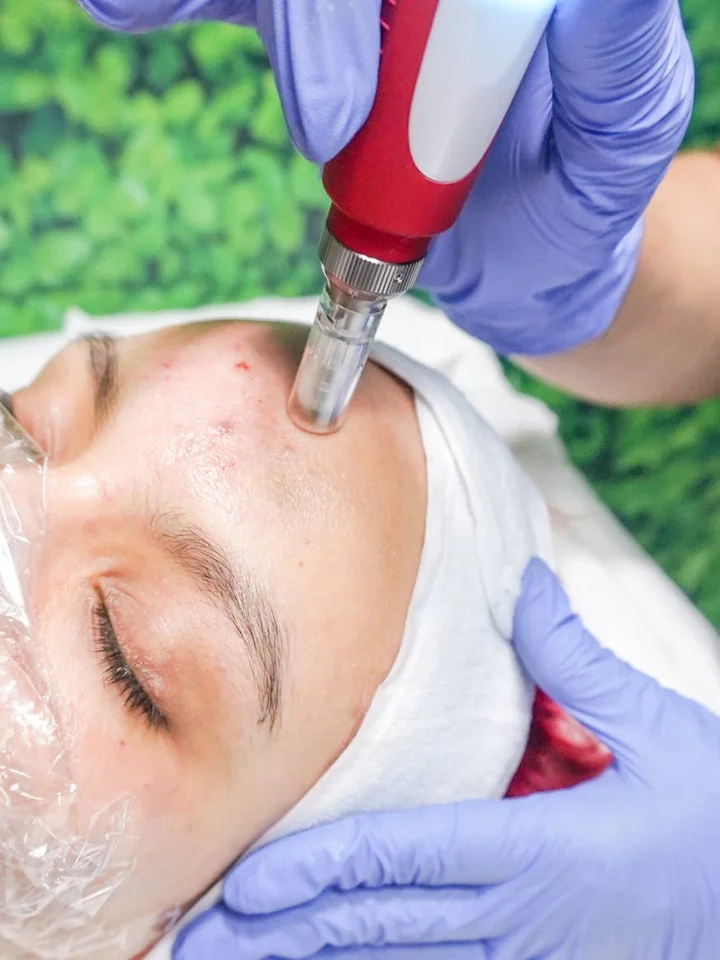
Combining mandelic acid and benzoyl peroxide is a strategic move, but it’s not an invitation for a free-for-all with your entire skincare cabinet. Think of your skin like a team with two new star players; you need to let them work without the rest of the team getting in the way. Your primary goal is to manage acne effectively without compromising your skin barrier.
Press Pause on Other Active Ingredients
While you’re testing this combination, your routine needs to become a minimalist sanctuary. This is the time to simplify.
Pausing other potent actives gives your skin the space to adapt without being overwhelmed by conflicting signals.
- Other AHAs (Glycolic, Lactic Acid) & BHAs (Salicylic Acid): Mandelic acid is your chosen AHA. Adding a BHA like salicylic acid or another, stronger AHA dramatically increases exfoliation, raising the risk of redness, peeling, and stinging. If you normally use a salicylic acid cleanser, consider switching to a gentle, non-foaming one during this trial period.
- Retinoids (Retinol, Prescription Retinoids): This is the most important pause. Both retinoids and your acid-peroxide duo accelerate skin cell turnover. Using them together is a near-guarantee for severe irritation, a damaged moisture barrier, and a painful, flaky complexion. Choose one path-anti-acne or anti-aging-for the duration of this combined treatment.
- Physical Scrubs or Brushes: Your skin will be undergoing plenty of chemical exfoliation from the mandelic acid. Manual scrubbing with granules or cleansing devices is simply too much physical stress and can cause micro-tears.
Become a Sun Protection Zealot
Mandelic acid increases your skin’s sensitivity to sunlight, especially when compared to glycolic acid, which can be harsher on sensitive skin. Benzoyl peroxide can also make skin more photosensitive. This isn’t a suggestion; it’s a non-negotiable rule.
Daily, broad-spectrum SPF 30 or higher is your mandatory shield against sun damage and post-acne dark spots. I remind clients like Noah, who has reactive skin, that a mineral sunscreen with zinc oxide can be a less irritating choice during this time.
Simplify and Soothe
If your skin shows signs of sensitivity-tingling that lasts more than a minute, unusual redness, or tightness-strip your routine back to the basics.
- Avoid products with added fragrance or essential oils, which are common allergens that can further provoke sensitized skin.
- Look for calming ingredients like centella asiatica, panthenol, or colloidal oatmeal in your moisturizer to help support your barrier.
This is where Lina’s experience is helpful. She learned that when her combination skin felt reactive, swapping a scented toner for a plain hydrating serum made all the difference in comfort.
The Non-Negotiable First Step: The Patch Test
Never introduce both new products to your full face on the same night. This is the golden rule for avoiding a widespread reaction.
- First, patch test each product separately on your jawline or behind your ear for a few days.
- If both are tolerated alone, apply them together only on that small patch area for another two nights.
This cautious approach helps you identify irritation from the combination before it affects your entire face. Maya, who is proactive about her acne, always does this. She says it saves her from the panic of a full-face flare when trying something new.
Finding Products: Standalones vs. Combinations
You might be wondering if you can simplify things with one bottle that contains both mandelic acid and benzoyl peroxide. It’s a logical question. The short answer is yes, they exist, but they are not the norm on shelves.
Pre-formulated combinations of these two specific ingredients are rare. Most brands formulate them separately to give you, the user, more control. Think of it like cooking: sometimes you want to adjust the salt and pepper individually, not use a pre-mixed blend.
Using two separate products gives you the flexibility to adjust the frequency of each based on how your skin responds.
The Reality of Pre-Mixed Formulas
If you do find a combined product, look at the label very carefully. The concentrations of each active will typically be quite low to minimize the risk of irritation from the get-go. This can be a gentle way to start, but it also means you can’t adjust one ingredient without affecting the other. For someone like my client Noah, who has reactive skin, this lack of control can be a dealbreaker.
Building Your Own Gentle, Effective Duo
For most people, especially if you’re new to combining these actives or have sensitive skin, I recommend starting with two separate, well-chosen products. This is the method I often use with clients like Maya, who needs to carefully balance acne-fighting power with maintaining her skin’s comfort.
Here’s what to look for when shopping for standalone products:
- Lower Concentrations are Key: This is not the time for maximum-strength formulas. Opt for a mandelic acid serum or toner in the 5% to 10% range. For benzoyl peroxide, begin with a 2.5% or 5% cream, gel, or wash. These lower percentages are often just as effective as higher ones for reducing bacteria and clearing pores, but with far less potential for dryness and redness.
- Seek Soothing Companions: A good formula does more than just deliver an active ingredient. Look for products that also contain skin-soothers like panthenol (vitamin B5), centella asiatica, or oat extract. These ingredients help cushion the potential irritating effects of the actives, making the routine more tolerable.
- Commit to Clean, Conscious Formulas: Always choose fragrance-free and essential-oil-free options to avoid unnecessary sensitization. And, as a core value for any skin journey, prioritize products from brands that are cruelty-free and committed to sustainable practices. Your skin’s health and your ethics don’t have to be separate.
Starting with lower concentrations in separate, soothing formulas allows your skin to acclimate to this powerful combination without a rebellion.
Your Questions on Combining These Actives, Answered
What is the absolute safest way to combine them?
Use a split routine: apply benzoyl peroxide in your morning routine and mandelic acid in your evening routine. This separates their jobs and gives your skin time to handle each active without overwhelm.
Can I apply them at the same time?
We don’t recommend layering them together, as it significantly increases irritation risk. If your resilient skin is accustomed to both, apply mandelic acid first, wait 20 minutes, then use benzoyl peroxide only as a targeted spot treatment.
What’s the most important thing to avoid?
Avoid introducing other active ingredients like retinoids or additional acids, as this can compromise your skin barrier. Most critically, never skip daily broad-spectrum SPF, as both ingredients increase sun sensitivity.
Final Thoughts on Pairing Your Acne Treatments
You can absolutely use mandelic acid and benzoyl peroxide together, but the golden rule is to introduce them slowly and separately. I guide clients like Lina and Noah through this process by starting with just one product every other day to build tolerance without overwhelming their skin. This means learning exactly how to apply mandelic acid serums correctly before combining them with other treatments.
- Always apply a broad-spectrum sunscreen every morning, as both ingredients make your skin more sensitive to the sun.
- Use benzoyl peroxide in your morning routine and mandelic acid in your evening routine to avoid direct interaction and irritation.
- Listen to your skin and pause if you notice persistent redness, stinging, or peeling, then focus on gentle hydration.
- Perform a patch test behind your ear or on your jawline for three days before using any new combination on your entire face.
Your skin’s journey is unique, and I’m here to help you navigate it. For more personalized advice or to share your experience, join the conversation on the LuciDerma blog where we explore ethical, effective skin care together.
Lucy Zimmerman
Lucy is an expert author and blogger when it comes to skin care and body care. She has first hand expertise acting as skin care consultant for over 5+ years helping her clients achieve smooth blemish free skin with natural and working remedies. She also has been an avid experimenter and tried out all the natural and artificial remedies and treatments so you can learn from her first hand experience. Additionally, she has traveled to many countries around the world and incorporated the skin care routines she has learnt into this blog. So, wait no more, reach out to Lucy if you have any specific needs and follow her blog, LuciDerma for expert skin care advice.