
Adapalene for Acne: Your Guide to Shelf Life and Long-Term Safety
If you’re reaching for Adapalene gel or cream to tackle acne, it’s smart to ask how long it lasts and if you can safely use it for years. I help clients like Maya, who’s been on Adapalene for her oily, acne-prone skin, navigate these questions all the time.
This article will give you clear, actionable answers so you can use your treatment with confidence:
- Spot the expiration date and understand what it means for your skin’s health.
- See why dermatologists consider Adapalene a safe, long-term option for controlling acne.
- Learn how to store your tube or bottle to preserve its strength.
Knowing these details empowers you to care for your skin wisely and effectively.
Adapalene, Simplified: Your Gentle Retinoid Partner
Think of your skin cells like commuters in a busy train station. Sometimes, they get sluggish and pile up, clogging the gates (your pores) and causing traffic jams (breakouts). Adapalene is a third generation retinoid, derived from vitamin A, that steps in like a skilled station manager.
It gently directs skin cells to move along at a healthier pace, preventing them from sticking together and clogging pores. At the same time, it calms the inflammation signals in your skin that lead to red, angry pimples. It’s a two in one approach: prevention and calming.
Compared to some other retinoids, adapalene is notably stable when exposed to light and air and has a reputation for being gentler on the skin. This makes it a brilliant first retinoid for many of my clients, like Maya, who needed effective acne control without the intense irritation some older formulas can cause.
Does Adapalene Expire? Shelf Life, Explained
Yes, absolutely. Like any active skincare product, adapalene has a finite shelf life. An unopened tube or pump typically has an expiration date printed on the box or container, usually 2 to 3 years from its manufacture date.
The more critical date to watch is after you break the seal. Look for a small open jar icon on the packaging with a number and ‘M’ (like 6M or 12M). This is the “period after opening” (PAO) symbol. It tells you how many months the product is considered effective and stable once air has been introduced. For most adapalene gels and creams, this is 6 to 12 months.
In online skincare communities, a common observation is that the texture or efficacy of a tube seems to change if it’s been open for much longer than its PAO. This isn’t just anecdotal; it’s chemistry in action. The active ingredient can degrade over time, making your treatment less reliable just when you need consistency most.
How to Spot a Spoiled or Degraded Adapalene Product
Your senses are your best tool here. Oxidation and degradation often leave clear clues:
- Color: A clear or white gel turning a noticeable yellow or brownish hue.
- Texture: A once-smooth formula becoming grainy, lumpy, or separating into layers.
- Smell: Developing a strange, sharp, or “off” chemical odor compared to its original, mild scent.
So, can you use expired adapalene gel? I advise against it. Using an expired product comes with two main risks. First, it simply may not work well, undoing your progress. Second, degraded ingredients can become unpredictable and are more likely to cause redness, peeling, or irritation on your skin.
Here’s a simple checklist to follow. If you check any of these boxes, it’s time for a fresh tube:
- It has changed color, texture, or smell.
- It’s been open longer than the period-after-opening symbol indicates (e.g., over 12 months).
- The printed expiration date on the box has passed, even if unopened.
When in doubt, swap it out. Your skin’s health and your treatment’s success are worth the fresh start.
The Practical Guide to Storing Your Adapalene

Think of your adapalene gel or cream like a delicate ingredient in your kitchen. It works best when kept in its ideal conditions. Proper storage isn’t just about organization, it’s about preserving the strength of the formula so every application counts.
Follow these simple rules to keep your treatment effective from the first squeeze to the last.
- Keep it in a cool, dark place away from direct sunlight and heat sources.
- Avoid storing it in a steamy bathroom. The constant heat and humidity from showers can accelerate the product’s breakdown.
- Keep the cap tightly closed when not in use.
Here’s a simple way to understand the chemistry: the active adapalene molecule can be sensitive to prolonged heat and intense light, which can cause it to degrade faster than the date on the tube suggests. It’s like leaving a fresh avocado on a sunny windowsill versus in a cool pantry. One environment keeps it stable for longer.
My client Noah, who is meticulous about his sensitive skin routine, taught me a brilliant, simple trick. He never leaves his tube on the bathroom counter. Instead, he stores it in a small drawer in his bedroom, away from any temperature swings. It’s a foolproof method to ensure his product stays potent.
Can You Use Adapalene Forever? Long-Term Safety for Acne
This is one of the most common questions I get in my practice. The short, evidence-based answer is yes, adapalene is approved and considered safe for long-term use to manage acne and keratosis pilaris.
Acne is often a chronic condition, meaning it can come and go over many years. Using adapalene long-term is a standard strategy known as maintenance therapy, which prevents new breakouts from forming after you’ve cleared your initial acne. Clinical studies following patients for a year or more consistently show that continued use maintains clearer skin, making it a popular choice over other retinoids for both acne treatment and anti-aging benefits.
The benefits of this long-term approach are clear, but it’s wise to listen to your skin. Your needs may change with seasons, stress, or hormones. What works perfectly at 25 might need a slight adjustment at 35, like applying it every other night instead of nightly. This isn’t a sign of failure, it’s smart, responsive skincare.
What to Expect Years Down the Line
Your journey with adapalene typically has two distinct chapters. The first is the “retinization” period, which are the first few weeks where your skin adapts. You might experience some dryness or peeling as your skin cell turnover speeds up.
The second chapter is long-term maintenance. This is where the real magic happens beyond just acne control with adapalene. With consistent use over months and years, adapalene helps keep pores clear, smooths overall skin texture, and gradually fades post-acne dark marks (hyperpigmentation). It’s a sustained investment in your skin’s health.
I think of my client Maya, who started adapalene for persistent adult acne at 28. Three years later, she uses it just two nights a week as her maintenance plan. Her skin isn’t just acne-free, it’s more even-toned and resilient. She says it’s the one product she can’t imagine her routine without, because it quietly does the background work of preventing clogged pores before they ever become a problem. Her story is a perfect example of a successful, long-term partnership with a treatment.
Building Your Long-Term Adapalene Routine
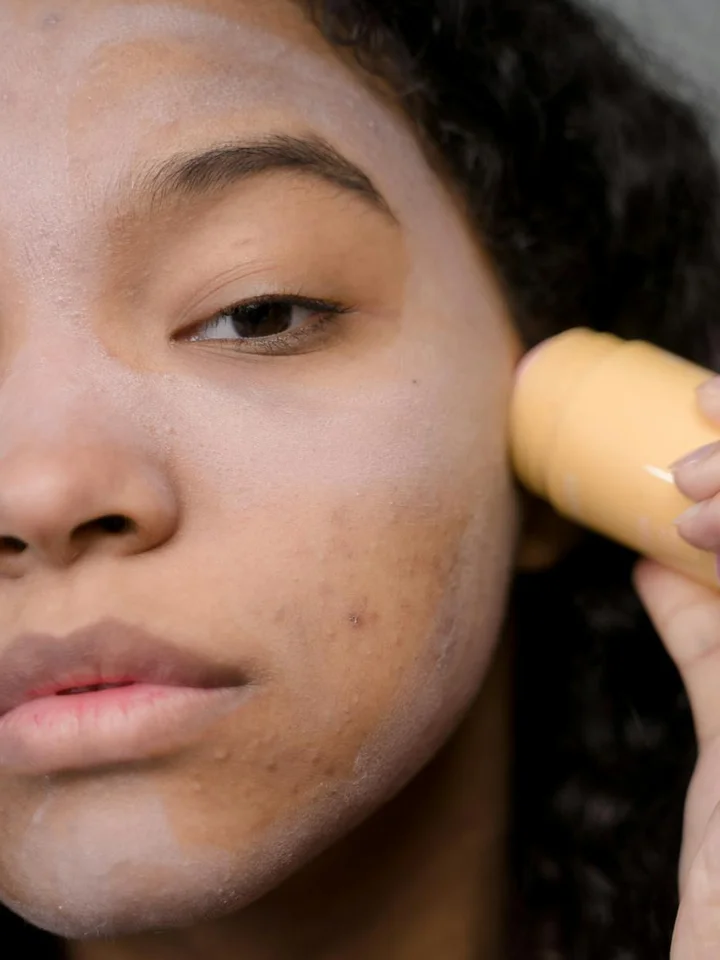
Think of adapalene as a dedicated, long-term teammate for your skin, not a quick fix you use for a week. A consistent, gentle routine around it is what allows that teammate to work effectively without causing a mutiny on your skin barrier.
Your evening routine with adapalene can be beautifully simple. I advise most clients to follow this three-step template:
- Cleanse: Use a gentle, non-drying cleanser to remove sunscreen, makeup, and the day’s grime.
- Moisturize: Apply your moisturizer to damp skin. This step is your buffer and your hydration insurance policy.
- Adapalene: Wait 10-15 minutes for your face to dry completely, then apply a pea-sized amount of adapalene gel or cream all over your face, avoiding the immediate eye and lip areas.
This routine’s success is entirely dependent on its non-negotiable partner: a daily morning sunscreen. Adapalene makes your skin more photosensitive, meaning it’s more vulnerable to sun damage. Skipping SPF can lead to worsened hyperpigmentation and irritation, undoing all the good work. A broad-spectrum SPF 30 or higher is your absolute must-do.
Choosing your moisturizer for this routine is key. A lightweight, gel-based moisturizer works well for oilier skin types, absorbing quickly without feeling heavy. A richer, cream-based formula is better for dry or sensitive skin, providing a more protective buffer. My client Lina, who has combination skin, found her sweet spot by using a light gel moisturizer all over, then adding a tiny dab of a richer cream just to her drier cheeks before applying her adapalene. Listen to what your skin needs each night.
When to Pause or Adjust Your Application
Consistency is important, but so is knowing when to hit pause. Your skin will tell you if it needs a break.
Take a night or two off from adapalene if you experience:
- Burning or stinging that lasts more than a few minutes after application.
- Extreme redness, peeling, or raw-feeling skin.
- A feeling of tightness and sensitivity that suggests your skin barrier is compromised.
- You have an upcoming professional facial, laser treatment, or chemical peel-always inform your provider you use a retinoid.
During these sensitive phases, the “sandwich method” is your best friend. Apply your moisturizer first, let it dry, then apply adapalene, and finish with another light layer of moisturizer. This technique cushions the active ingredient, reducing irritation while letting it work. It’s a gentler approach I often recommend for those just starting or navigating a reactive period.
Contraindications and Important Safety Warnings

As powerful as adapalene is, it is not for everyone. Your safety comes first, always.
Do not use adapalene if you are pregnant, breastfeeding, or trying to conceive. While topical absorption is low, retinoids are contraindicated during pregnancy, and it’s a risk not worth taking. Please consult your doctor for pregnancy-safe alternatives.
Proceed with significant caution if you have a history of very sensitive skin, eczema, rosacea, or currently have a sunburn. In these cases, starting without a dermatologist’s guidance can trigger major flare-ups. Patch test for a week on a small area of your jawline or behind your ear before committing to full-face use.
Never apply adapalene to broken skin, open cuts, or areas with an active rash or eczema patch. It will cause severe irritation. Also, avoid skincare medication interactions with adapalene—some medicines or products can affect irritation or healing. If you’re using prescription medications or other actives, consult your clinician before combining them. Also, avoid using other potent actives like AHAs, BHAs, or benzoyl peroxide in the same evening routine as your adapalene. Using them together is a recipe for a damaged barrier. If you want to incorporate an exfoliant, use it on a separate morning or on a night you skip adapalene entirely.
Answering Your Top Adapalene Longevity Questions
Do I Have to Use Adapalene Forever for Acne to Stay Away?
This is the million-dollar question, and I hear it from clients like Maya all the time. The honest answer isn’t a simple yes or no. It’s about understanding acne as a condition, not just a temporary visitor.
Acne is often chronic. Your skin’s tendency to produce excess oil, shed sticky skin cells, and harbor certain bacteria is largely guided by your genetics and hormones. Think of adapalene as a daily manager for that process. It keeps pore-clogging at bay and inflammation low.
You use it consistently to manage the condition, not just to chase away individual pimples. For many people, this means long-term use is the most effective strategy for clear skin. It’s similar to how someone with high blood pressure takes medication consistently to manage it, not just when they feel a symptom.
After your skin has been clear for several months (often 3-6), you and your dermatologist might discuss a “maintenance” plan. This could mean using it less frequently, like every other night or just a few times a week. Some people can eventually stop, but others find their acne returns without that regular management.
Long-Term Use vs. Occasional Spot Treatment: Why Consistency Wins
It’s tempting to just dab adapalene on a raging pimple and call it a day. I’ve seen clients like Noah try this, hoping to avoid nightly use on his reactive skin. Here’s why that strategy usually falls short.
Adapalene works on a cellular level to prevent acne. It needs time-weeks, not hours-to normalize skin cell turnover and keep pores clear. Using it only on a visible pimple is like mopping up a flood while the tap is still running. Understanding the adapalene results timeline helps set expectations for how acne improves over weeks. Its effectiveness builds gradually as skin turnover normalizes.
- Spot Treatment: Targets only the inflamed pimple you can see. It does nothing to prevent the five new ones brewing beneath the surface.
- Consistent, Full-Face Use: Works proactively. It prevents new clogs from forming, reduces overall inflammation, and improves skin texture over time.
Spot treating with a retinoid can also be more irritating. You’re concentrating a potent active on already angry, compromised skin. Consistent, thin application to your entire problem area trains your skin to tolerate it and gives you the preventative benefit. The goal is to have fewer spots to treat in the first place.
The Real Key to Safe, Long-Term Success
Long-term safety hinges less on the molecule of adapalene itself-which is well-studied for chronic use-and more on how you integrate it into your life. Understanding the short- and long-term effects of adapalene can guide how you use it day to day. This awareness helps you spot early signals and discuss them with your clinician. Your approach matters just as much as the prescription.
First, product integrity is non-negotiable. An expired or improperly stored gel loses potency and may not work as intended, leading to frustration. Keep it in a cool, dry place away from sunlight (not in your humid bathroom). Stick to the expiration date.
Second, your routine must be built for the long haul. This means pairing adapalene with products that support your skin barrier, not attack it. Think about skincare routine product combinations with adapalene that support the barrier—gentle cleansers, ceramide-rich moisturizers, and non-irritating sunscreens. We’ll cover specific safe pairings in the next steps.
- Always use a gentle, non-foaming cleanser. Harsh sulfates strip skin that’s working hard to retinize.
- Follow with a simple, fragrance-free moisturizer. This buffers potential irritation and keeps your barrier resilient. Think of it as a protective blanket.
- Apply sunscreen every single morning. Retinoids make your skin more sun-sensitive. This is a permanent, non-negotiable step for prevention.
The safest, most effective long-term use comes from a fresh, properly stored product applied consistently within a gentle, supportive skincare routine. It’s this combination that allows your skin to reap the lasting rewards without unnecessary stress or irritation.
Your Quick Adapalene Longevity Guide
Does where I store it really make a difference if it’s not expired?
Absolutely. Heat and humidity, like in a bathroom, can break down the active ingredient faster than its printed date. Keeping it in a cool, dark drawer preserves its strength so every application is effective.
Can I use my adapalene with other acne treatments?
Proceed with caution. Using it with other potent actives like benzoyl peroxide or salicylic acid in the same routine can severely compromise your skin barrier. For safety, use them on alternate mornings or nights.
If I stop using it, will my acne come back worse?
Not worse, but it may return. Acne is often a chronic condition, and adapalene manages it. Stopping removes that daily management, so pores may gradually become clogged again, leading to new breakouts.
Your Adapalene Routine Made Simple
Adapalene is a trusted ally for long-term acne control when used with care and consistency. Focus on using it correctly every night, and give your skin the patience it needs to adjust and improve. A quick check of the expiration date ensures you’re always applying a potent and safe product.
- Store your Adapalene tube in a cool, dark place to protect its stability.
- Incorporate it into your evening routine after cleansing and before moisturizing.
- If the gel or cream changes texture, color, or smell, it’s time to replace it.
- For persistent questions about your skin’s response, a quick chat with your dermatologist brings peace of mind.
Navigating acne treatment is a journey we can take together. I’m always here to offer grounded, evidence-based guidance for your skin care questions. Share your experiences or send me your questions, and follow along with LuciDerma for more straightforward advice that puts your skin’s health first.
Further Reading & Sources
- r/SkincareAddiction on Reddit: [Product Question] Is it okay to use expired adapalene?
- Skin distribution and pharmaceutical aspects of adapalene gel – ScienceDirect
- What Is the Shelf Life of Adapalene?
- r/SkincareAddiction on Reddit: Does adapalene expire after you opened it? [product question]
- Adapalene: Package Insert / Prescribing Information / MOA
- DailyMed – ADAPALENE gel
- How to Know If Adapalene Gel Is Expired | TikTok
- Amazon.com: Customer Questions & Answers
- Adapalene: Uses, Side Effects, Interactions, Pictures, Warnings & Dosing – WebMD
- New Zealand Datasheet 1 PRODUCT NAME DIFFERIN™
Lucy Zimmerman
Lucy is an expert author and blogger when it comes to skin care and body care. She has first hand expertise acting as skin care consultant for over 5+ years helping her clients achieve smooth blemish free skin with natural and working remedies. She also has been an avid experimenter and tried out all the natural and artificial remedies and treatments so you can learn from her first hand experience. Additionally, she has traveled to many countries around the world and incorporated the skin care routines she has learnt into this blog. So, wait no more, reach out to Lucy if you have any specific needs and follow her blog, LuciDerma for expert skin care advice.