
Botanical Oils vs. Extracts: How to Layer Actives for Your Skin’s Layers
Staring at a sea buckthorn oil and a hyaluronic acid serum, unsure which to choose first? I help clients like you decode this daily, and the answer lies in how each type reaches your skin.
By the end of this guide, you’ll be empowered to:
- Spot the difference between lipid-loving carrier oils and water-soluble extracts.
- Match the right ingredient to the skin layer it’s designed to treat.
- Build a layered routine that delivers actives where they’re needed most.
Let’s turn that confusion into a clear, confident strategy for your skin.
The Core Question: Oil or Extract?
I see this mix-up all the time. A client like Lina will tell me she loves using a “sea buckthorn oil” serum at night, but her “green tea oil” toner in the morning feels sticky. Here’s the thing: they aren’t the same type of ingredient at all. Both come from amazing plants, but their chemical behavior on your skin is worlds apart.
Think of it this way. A botanical oil is like the plant’s fatty body or its stored energy reserve-think of the flesh of an avocado or the meat of a coconut. An extract is more like the plant’s water-soluble juice or essence, pulling out specific compounds like antioxidants or soothing tannins.
The simple rule is this: oils primarily protect and nourish your skin’s surface, while extracts are designed to deliver targeted, active benefits that can work deeper within the skin. Knowing which one you’re using, and when, is the secret to making them work together instead of at cross-purposes.
Meet the Molecules: A Quick Comparison Sheet
Let’s make this practical. Below is a side-by-side look at a classic carrier oil and a classic water-soluble extract. This isn’t about which is better; it’s about how they are different tools for different jobs.
| Property | Jojoba Carrier Oil | Green Tea Extract |
|---|---|---|
| pH (Typical Range) | ~4.5 – 6.5 (Slightly acidic to neutral) | ~3.5 – 5.5 (More acidic) |
| Concentration in Formulas | Often used at 5-100% (can be used alone) | Typically 1-5% in a finished product |
| Solubility | Oil-soluble. Mixes with other oils, not water. | Water-soluble. Dissolves in toners, serums, gels. |
| Key Safety & Use Notes | Extremely stable, low allergy risk. Excellent for all skin types, especially oily or sensitive (like Noah’s). | Potent antioxidant. Can be sensitizing at high doses. Always patch test. |
What this means for your skin:
- pH: Your skin’s acid mantle sits around pH 4.5-5.5. Jojoba oil’s neutral pH helps maintain this barrier without disruption. Green tea extract’s lower pH can help with exfoliation and antioxidant stability, but might sting very compromised skin.
- Concentration: You can apply 100% jojoba oil as a moisturizer. You would never, ever use 100% green tea extract-it’s a powerful active meant to be diluted and formulated safely.
- Solubility: This is the big one. Because oil and water don’t mix, a jojoba oil will sit on top of your water-based serum, forming a protective seal. A green tea extract, dissolved in water, can be delivered into the skin before you seal it in with an oil or cream.
- Safety Notes: Carrier oils like jojoba are generally gentle workhorses. Extracts are potent actives; their strength is their benefit, but it also requires more careful formulation and awareness of your skin’s tolerance.
The takeaway? Apply your water-soluble extracts (like toners and serums) first, then lock them in with your nourishing botanical oils. Think about layering toners and botanical extracts at the right pH to maximize absorption. This is how you get the targeted treatment from the extract and the lasting, barrier-supporting comfort from the oil.
Botanical Oils Demystified: Your Skin’s Protective Blanket
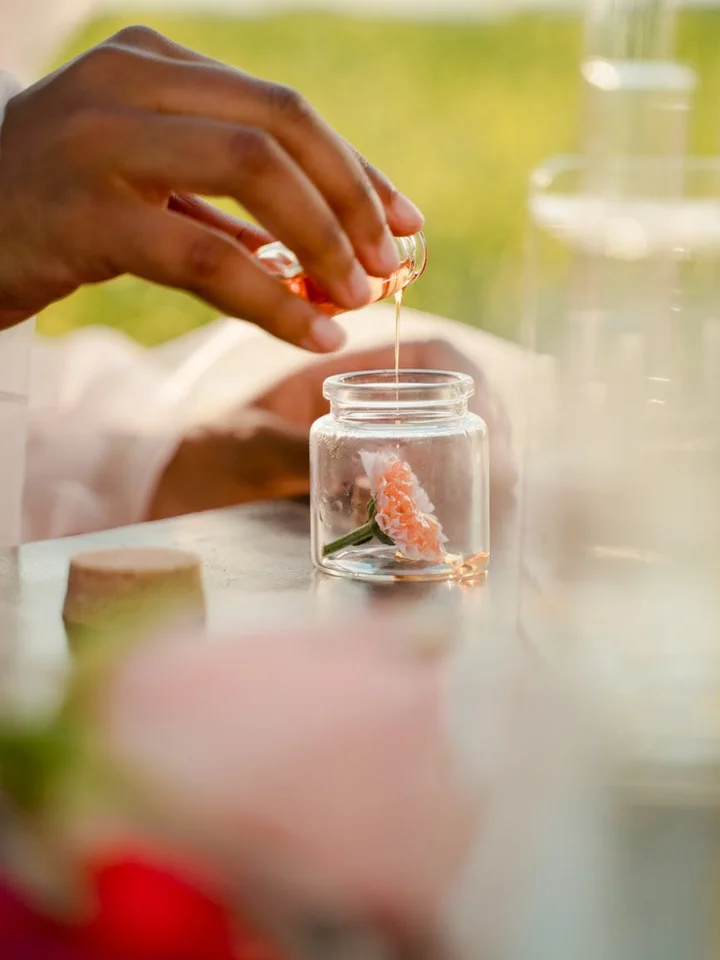
When we say “botanical oil” in skin care, we’re almost always talking about a carrier oil. Think of these as the base, pressed from seeds, nuts, or kernels of plants. They are the gentle workhorses, not the potent power players. Jojoba, rosehip, and sunflower oil are all classic examples. Their job isn’t to tingle or treat with high concentration, but to support, protect, and deliver nutrients that dissolve in oil.
The most critical distinction to make is between a carrier oil and an essential oil. Essential oils are the highly concentrated, aromatic compounds distilled from plants. They are incredibly potent and can cause severe irritation or allergic reactions if applied directly to skin. Carrier oils are what you use to safely dilute them.
Carrier oils work by forming a light, occlusive layer on your skin. This does two fantastic things. First, it helps seal in moisture you’ve already applied, like from a serum or toner. Second, it reinforces your skin’s own lipid barrier, which is like the mortar between your skin cells. A strong barrier keeps irritants out and hydration in. These oils are also perfect vehicles for delivering fat-soluble vitamins (like A and E) directly to your skin.
Take sea buckthorn oil, a personal favorite for clients like Noah who deal with dry, reactive skin. Its vibrant orange color comes from carotenoids, the same antioxidants found in carrots. When your skin barrier is compromised, red, and feeling rough, a few drops of sea buckthorn oil can be like a soothing, reparative blanket. It delivers those antioxidants and fatty acids exactly where your skin needs them to calm and rebuild—similar to how vitamin C and E antioxidants help repair skin barriers.
Carrier Oil vs. Essential Oil: A Safety Primer
This directly answers searches like “oil vs extract peppermint.” Peppermint extract in your skincare is typically a water-soluble ingredient used for a mild, refreshing sensation. Peppermint *essential oil* is a whole different story. It’s powerful and must be diluted in a carrier oil before any skin contact. I keep the rule simple: carrier oils are for slathering, essential oils are for dotting-and only when heavily diluted in a carrier oil first. For facial use, a safe dilution is often just 1-2 drops of essential oil per tablespoon of carrier oil.
Botanical Extracts Explained: Your Skin’s Targeted Messenger
If carrier oils are the protective blanket, think of botanical extracts as the targeted messengers. An extract is a concentrate where specific beneficial compounds-like antioxidants or calming agents-are “pulled out” of a plant using a solvent. That solvent is usually water, alcohol, or glycerin. This is key, because it determines where the extract can go.
We’ll focus on water-soluble extracts, as they’re the stars of most serums, toners, and light lotions. Because they’re water-friendly, they can mix seamlessly into these formulas and penetrate the water-based layers of your skin. They’re designed to deliver a specific action, like calming redness with chamomile extract or fighting daily free radical damage with green tea extract.
So for the query “oil vs extract benefits,” here’s the breakdown. The benefit of an oil is primarily barrier support and lipid delivery. The benefit of an extract is targeted active delivery. Extracts are your go-to for addressing specific concerns like brightening, soothing irritation, or providing antioxidant protection without adding an oily feel. My client Lina, with her combination skin, loves a serum with licorice root extract to gently even tone without upsetting her oilier T-zone.
Formulation Pro-Tip: Why You Can’t Just Swap Them
This answers “oil vs extract equivalent” with a firm no-they are not one-to-one substitutes. It all comes down to solubility: oil and water don’t mix. You can’t drop a water-based green tea extract into a bottle of pure jojoba oil and expect it to blend or work effectively.
I explain it to DIY enthusiasts with a baking analogy. Vanilla extract in your cookie recipe is water-based and mixes into your wet ingredients. Vanilla *oleoresin* is an oil-soluble version used in frostings. Your skin care chemistry follows the exact same rules. If you’re crafting a light, watery serum, you’ll use water-soluble extracts. If you’re making a rich cream and want to boost its nourishing properties, you would blend your chosen carrier oils into the oil phase of the recipe, typically adding them at the end as the mixture cools.
For texture, the choice is straightforward. Choose an extract for a lightweight, fast-absorbing layer. Choose a carrier oil to add richness and a lasting, comforting feel. Maya, with her oily skin, might use a toner with willow bark extract for clarity, followed by a single drop of squalane oil for balance, never a heavy cream. The right tool for the right job makes all the difference.
How Your Skin Uses Each One: A Layer-by-Layer Guide
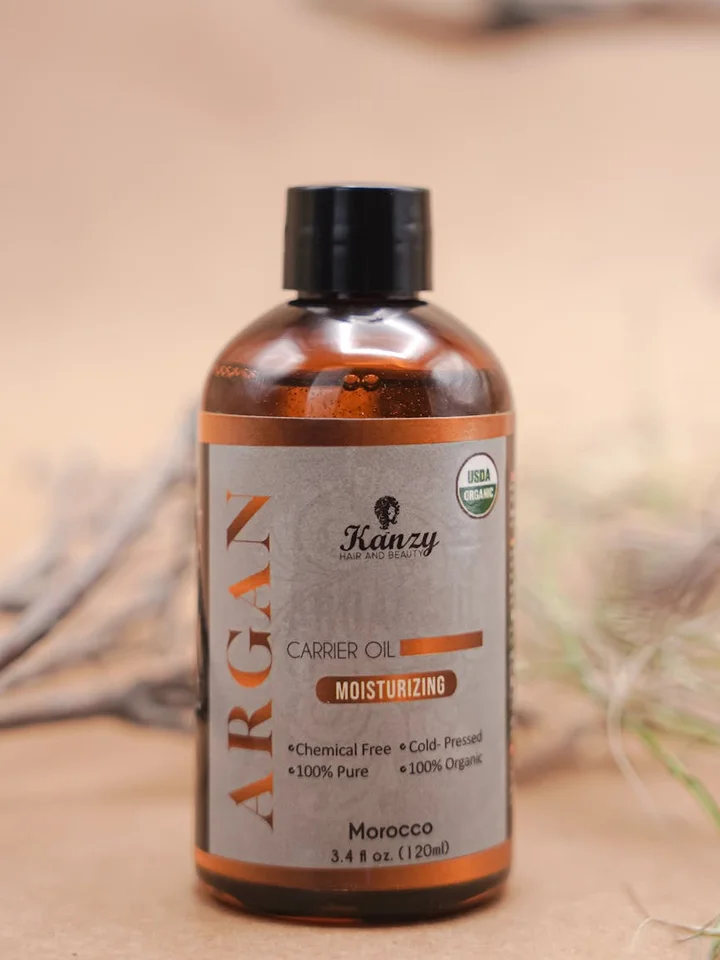
Think of your skin like a busy city. Water-soluble extracts and oils take different transportation routes to get to their jobs. This is where solubility in skincare matters: water-soluble actives ride in water-based formulas, while oil-soluble actives work best in oil or emollient carriers. Understanding this helps you choose products that deliver the right actives where they’re needed.
Water-soluble extracts, like green tea or licorice root, dissolve in the watery parts of your skin. They absorb directly into the upper layers of your epidermis, where living skin cells are busy hydrating and turning over. This makes them brilliant for delivering antioxidants, calming irritation, or encouraging hydration right where your skin cells are most active.
Botanical oils, like sea buckthorn or jojoba, are lipid-soluble. They travel along the lipid pathways, the tiny fat-filled spaces between your skin cells. They primarily work on your stratum corneum, which is the outermost layer of dead skin cells and lipids that form your barrier. Oils reinforce this barrier, lock in moisture, and provide a protective, emollient layer on the surface.
Here’s a simple analogy I use with clients: your skincare routine can be like a sandwich. A hydrating serum with water-soluble extracts is the juicy tomato and lettuce in the middle—it nourishes the living layers. A face oil is the top slice of bread—it seals everything in and protects it from the outside world. Layering hydrating serums with moisturizers is the next step in the moisture sandwich. Serums hydrate, moisturizers seal, and together they keep the living layers balanced and refreshed.
This distinct travel plan is the key to their power. Using extracts and oils together means you’re effectively addressing the needs of both the living, hydrating layers and the protective, barrier layer of your skin.
Building Your Routine: When to Reach for Oil or Extract
Now for the practical part. Here’s how to choose based on what your skin is telling you.
For Oily or Acne-Prone Skin (Like Maya)
Maya, my client with oily skin, used to think all oils were her enemy. We changed her mind by choosing strategically.
Your goal is balance: manage oil production and support a healthy barrier so it doesn’t overcompensate by producing more oil.
- Choose oils that are lightweight and non-comedogenic. Squalane (derived from olives or sugarcane) is a superstar here. It mimics your skin’s own sebum and strengthens the barrier without feeling heavy or clogging pores.
- Reach for targeted extracts that work on pores and oil regulation. Niacinamide (a form of vitamin B3) helps calm inflammation and regulate sebum. Salicylic acid, originally derived from willow bark extract, is oil-soluble and can exfoliate inside the pore lining.
Should you use an extract or an oil for oily skin? Start with a balancing extract in a serum, then seal it with a tiny drop of a light oil if your skin feels tight or compromised—especially when used over an oil-free moisturizer. A pea-sized amount pressed over your moisturizer is often plenty. A pea-sized amount pressed over your moisturizer is often plenty.
For Dry or Reactive Skin (Like Noah)
Noah’s dry, reactive skin needs deep nourishment and calm above all else. Oils are often the hero here, but extracts set the stage.
Your goal is repair and protection: soothe sensitivity and fortify the skin’s lipid barrier to prevent moisture loss.
- Choose richer, reparative oils high in fatty acids. Sea buckthorn oil is packed with omegas for repair. Borage oil is another excellent choice for soothing and reinforcing a fragile barrier.
- Reach for calming, hydrating extracts first. Look for oat (avena sativa) or centella asiatica (cica) in a toner, essence, or serum. These provide a base layer of hydration and calm to which your oil can then cling.
Can you mix an oil into your moisturizer? Absolutely. For the best absorption, press 2-3 drops of oil into your skin while it’s still damp from your serum or toner, then apply your cream. Or, mix one drop directly with your cream in your palm before applying.
For Combination or Aging Skin (Like Lina)
Lina has combination skin with some early signs of aging-oiliness in her T-zone but dryness on her cheeks. Her routine uses a “target and treat” method.
Your goal is multi-tasking: address different concerns on different zones while delivering overall antioxidant protection.
- Apply your antioxidant extracts all over. A vitamin C and ferulic acid serum protects every inch of your face from environmental damage and supports collagen.
- Then, use nourishing oils only where you need them. After your moisturizer, press a few drops of a reparative oil like rosehip or marula only onto drier areas like cheeks and around the eyes. Skip the oily T-zone if it feels sufficient.
An effective evening routine can combine a brightening extract, like licorice or bearberry, with a reparative oil. The extract works on tone and texture, while the oil seals in moisture and supports overnight repair. This layered approach gives you comprehensive care without a one-size-fits-all product.
The Safe Synergy: How to Layer Oils and Extracts Effectively
Think of your skincare routine like getting dressed for the day. You start with light, close-fitting layers and build up to the protective outer ones. Your skin benefits from the same logic.
The Golden Rule: Thin to Thick, Water to Oil
This simple order ensures each product can do its job without being blocked. Water-based products, like toners and serums with extracts, need to sink into your skin first. Oil-based products, like our sea buckthorn oil, create a light seal on top. This is especially important when using active treatments like retinoids or adapalene moisturizers.
- Cleanse.
- Tone or use a mist. This is a water-based step that preps your skin.
- Apply water-soluble serums. These are your botanical extracts, vitamin C, or hyaluronic acid. Their job is to hydrate and deliver antioxidants into the skin’s surface layers.
- Apply moisturizer (if needed). Some moisturizers are water-based gels; others are richer creams. Gels go before oils, creams can sometimes go after.
- Apply your facial oil. This is your carrier oil, like sea buckthorn. It locks in all the hydration from previous steps and supports your skin barrier.
- Apply sunscreen (AM only). Sunscreen is always your final morning step.
If you remember nothing else, remember this: Apply your water-based treatments first, and let them absorb before smoothing on your oil.
Where Everything Fits: Sample Routines
Let’s see how this works for different skin types. My client Lina (combination, sensitive) uses this method to target her oily T-zone and soothe her dry cheeks.
A Simple Morning Routine
- Gentle Cleanser
- Antioxidant Toner (with green tea extract, for example)
- Hyaluronic Acid Serum (a water-soluble hydrator)
- 2-3 drops of Sea Buckthorn Oil, pressed into damp skin
- Mineral Sunscreen
This gives her skin hydration, antioxidant protection from pollution, and a barrier-supporting seal-all without feeling heavy under sunscreen.
A Nourishing Evening Routine
- Oil-Based Cleanser (to remove makeup and sunscreen)
- Gentle Water-Based Cleanser
- Treatment Serum (like a licorice root extract serum for calming)
- Moisturizer
- 3-4 drops of a calming carrier oil blend
My client Noah (dry, reactive) loves a routine like this. The water-based serum calms redness, and the oil on top prevents overnight moisture loss, so he wakes up with a comfortable, soothed complexion.
A Crucial Safety Warning
Never mix pure, undiluted essential oils (like tea tree, lavender, or rosemary) directly into a bottle of toner, serum, or moisturizer. Essential oils are highly concentrated and can separate from water-based products, leading to uneven application and serious skin irritation. They must always be properly diluted in a carrier oil first. For safety and efficacy, use products where experts have already formulated them correctly.
How Many Oils Should You Mix?
When it comes to carrier oils, simplicity is your friend. While it’s tempting to create a custom blend of five different oils, this increases the chance of irritation, especially for sensitive skin like Lina’s or Noah’s.
Start with one carrier oil to see how your skin responds. If you want to blend, stick to a maximum of two. More oils do not mean more benefits; they can overwhelm your skin’s barrier. A simple blend of sea buckthorn oil (for repair) and jojoba oil (for lightweight moisture) is far more effective and safer than a complex cocktail.
Always patch test any new oil or blend on a small area of your inner arm for 24 hours before applying it to your face, especially when using oils that contain caprylic acid for skin care.
Your Questions on Oils & Extracts, Answered
How do I choose between an oil and an extract based on the texture I want?
Choose a water-soluble extract for a lightweight, fast-absorbing layer that delivers active benefits without residue. Reach for a botanical carrier oil when you want to add lasting richness and a protective, comforting seal to your skin.
Can I mix a botanical oil and a water-soluble extract together in my hand before applying?
It’s not recommended, as oil and water naturally separate, which can lead to uneven application. For best results, layer them: press your water-based serum with extracts into damp skin first, then follow with a few drops of oil to seal everything in.
I see “vanilla extract” in my kitchen-is it the same as a skincare extract?
No, culinary extracts like vanilla are formulated for taste and often contain alcohol or sugar, which can be irritating to skin. Skincare extracts are specifically crafted to deliver safe, topical benefits like antioxidants or soothing properties, using skin-compatible solvents.
Crafting Your Personalized Skin Care Strategy
Your skin thrives when you match the right ingredient to its specific needs and layers. Think of carrier oils like sea buckthorn as a nourishing shield, and water-soluble extracts as precise tools that work from the inside out. Understanding how pH-balanced formulations interact with the skin barrier can guide these choices. When the pH is aligned with the skin, barrier health is supported and irritation is reduced.
- Always layer products from thinnest to thickest, applying water-based serums before oils.
- Use sea buckthorn oil in the evening to reinforce your skin barrier and lock in moisture.
- Choose water-soluble extracts, like green tea or licorice root, for daytime hydration and targeting concerns like redness.
- Patch test any new oil on your inner arm for 24 hours to check for reactions.
- Listen to your skin, if an oil feels heavy, try a lighter option like squalane.
I find that most skin confusion clears up with a little patience and the right layering. If you have questions about botanical oils or extracts, I welcome you to share them on the LuciDerma blog. Your skin story helps me and other readers learn, so feel free to reach out with your experiences.
Relevant Resources for Further Exploration
- r/AsianBeauty on Reddit: [Discussion] AB Ingredients: Extracts vs Oil (essential, or any other derivative) What’s the difference and why are they not the same?
- Applications of Essential Oils and Plant Extracts in Different Industries – PMC
- Botanical Extracts vs Essential Oils: Key Differences Explained_Cactus Botanics
Lucy Zimmerman
Lucy is an expert author and blogger when it comes to skin care and body care. She has first hand expertise acting as skin care consultant for over 5+ years helping her clients achieve smooth blemish free skin with natural and working remedies. She also has been an avid experimenter and tried out all the natural and artificial remedies and treatments so you can learn from her first hand experience. Additionally, she has traveled to many countries around the world and incorporated the skin care routines she has learnt into this blog. So, wait no more, reach out to Lucy if you have any specific needs and follow her blog, LuciDerma for expert skin care advice.