
Emollients Uncovered: Smooth and Repair Your Skin Barrier with Science
If your skin often feels rough, tight, or looks flaky, you might be missing a key ingredient in your routine. As an esthetician, I see emollients work like a comforting balm, quietly smoothing and repairing skin for clients like cautious Noah.
This guide will help you use emollients with confidence. Here’s what you’ll learn:
- How emollients physically fill in cracks between skin cells to create instant smoothness.
- The simple science behind their long-term role in repairing and protecting your skin barrier.
- My practical tips for choosing and layering emollients without causing greasiness or clogged pores.
You have everything you need to turn dry, stressed skin into a softer, healthier version of itself.
The Skin Barrier: Your Body’s Built-In Bouncer
Think of your outermost layer of skin, the stratum corneum, as a very smart wall. It’s built like brick and mortar. The bricks are flat, dead skin cells called corneocytes. The mortar is a mix of lipids (fats) like ceramides, cholesterol, and fatty acids.
This structure is your barrier. When it’s strong, it keeps the good stuff (water) in and the bad stuff (irritants, pollutants) out.
You know this barrier is compromised when your skin feels tight, itchy, rough, or gets red and reactive at the slightest trigger. My client Noah describes it as his skin feeling “like parchment.”
Daily life is constantly testing this wall. Harsh cleansers, cold wind, low humidity, and even stress can weaken the lipid mortar over time.
The health of your skin barrier directly dictates how your skin looks and feels.
How a Weak Barrier Lets Trouble In
When the mortar cracks, problems start. The first is water loss. Moisture evaporates right out of your skin, a process we call transepidermal water loss (TEWL). This leads to dryness and flakiness.
Next, sensitivity spikes. Cracks in the barrier let in microscopic irritants from your environment, which your skin sees as invaders. This kicks off inflammation, which you feel as stinging, redness, or itch.
Imagine a wall with cracks in the plaster. Drafts get in, dust settles, and the whole structure becomes less stable. That’s a compromised skin barrier.
This is exactly what was happening with Lina’s cheeks. Her barrier was weakened, so even her gentle makeup would sometimes cause a reactive flush. For Noah, the cracks meant he couldn’t hold onto hydration, leaving him constantly dry and uncomfortable.
Emollients: The Smooth Operators of Skin Care
Emollients are often lumped under “moisturizer,” but that’s vague. They are specifically gap-fillers and smoothers, unlike some non-comedogenic moisturizers that focus on hydration without clogging pores.
Feel a rough, weathered piece of wood. Now imagine rubbing a few drops of oil into it. The surface instantly feels smoother, softer, and more pliable. That’s the immediate, tactile effect of an emollient on your skin.
That instant softness is a clue to their long term job: they physically fill the cracks between your skin cells, helping to repair the barrier’s structure and prevent water loss.
The Simple Science of Filling the Gaps
When your barrier is damaged, the corneocyte “bricks” become loose and uneven. Emollients are typically oils, butters, or lipid-like esters. Their molecules are just the right size and shape to slip into those empty spaces between the loose skin cells.
By filling these gaps, they create a smoother, more level surface. This not only feels better, it looks better because light reflects evenly off a flat surface, giving the appearance of softer, more radiant skin.
This is a physical repair process. They aren’t dissolving cells or triggering a complex chemical reaction. They are quite literally acting as a temporary, supportive mortar while your skin works to produce its own lipids again.
Emollients vs. Humectants vs. Occlusives: The Hydration Team
People get these mixed up all the time. Here’s the simple breakdown:
- A humectant (like glycerin or hyaluronic acid) acts like a sponge, drawing water to the skin’s surface.
- An emollient (like squalane or jojoba oil) acts like a repair crew, smoothing and filling the cracks in your skin’s surface.
- An occlusive (like shea butter or petrolatum) acts like a sealant, laying a protective layer on top to prevent water from escaping.
Think of your skin like a houseplant. The humectant is the water you give it. The emollient is fixing the cracked pot so it can hold shape. The occlusive is the mulch on top of the soil that slows evaporation. You often need all three for a truly hydrated, resilient complexion.
Here’s a quick guide to help you spot them in your products:
| Type | Main Function | Common Texture | Example Ingredients |
|---|---|---|---|
| Humectant | Draws water/moisture to the skin | Thin, watery, gel-like | Glycerin, Hyaluronic Acid, Honey |
| Emollient | Fills gaps, smooths & softens skin surface | Lotion, cream, serum, oil | Squalane, Jojoba Oil, Caprylic/Capric Triglyceride |
| Occlusive | Forms a barrier to prevent water loss | Thick, balmy, waxy | Shea Butter, Petrolatum, Beeswax |
Think of humectants as water drawers, emollients as repair crews, and occlusives as sealants. Glycerin and propylene glycol are common humectants that attract moisture from the air and help keep skin hydrated. They are often used in moisturizers to provide the water-drawing component. Most good moisturizers contain a blend of two or all three.
Your Guide to Key Emollient Ingredients
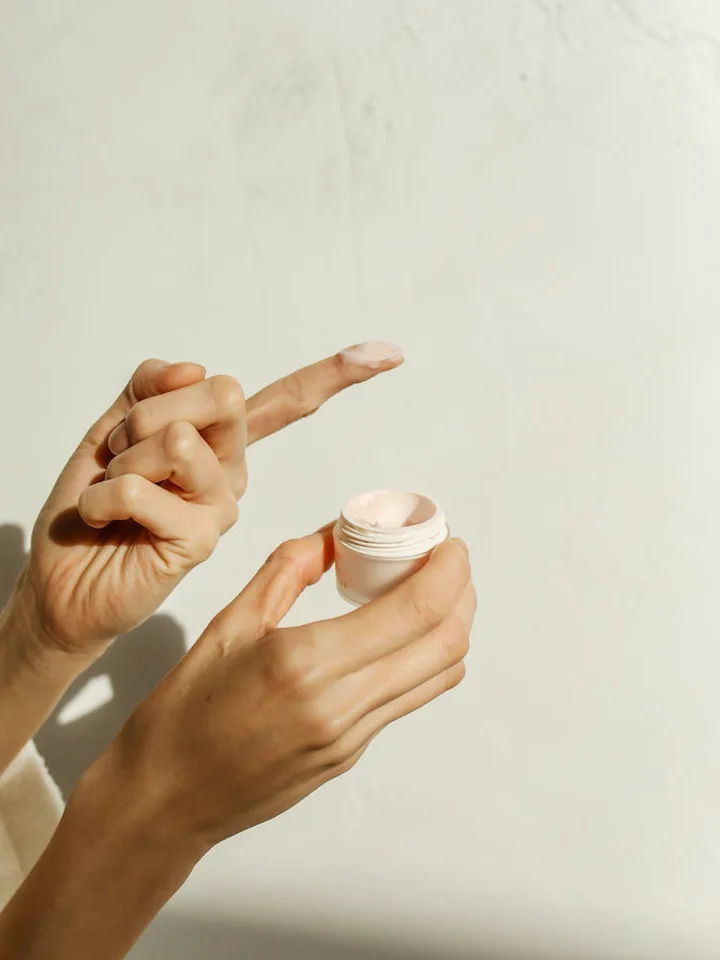
Think of emollients as your skin’s wardrobe. Some are light linen shirts, others are cozy wool sweaters. The right choice depends on your skin’s climate. I group them by source and texture to make shopping easier.
Plant Oils & Butters
These are the classic, nutrient-rich naturals. They vary widely in feel.
- Squalane: This is a hero for oily or acne-prone skin like my client Maya’s. It’s a lightweight, non-greasy oil that mimics your skin’s own sebum. It absorbs quickly, providing slip without clogging pores.
- Jojoba Oil: Another excellent mimic of human sebum. It’s a liquid wax ester that feels light and is wonderfully balancing for most skin types, including combination skin like Lina’s.
- Shea Butter: This is for my Noahs with dry, reactive skin. It’s a rich, solid butter packed with fatty acids. It forms a protective, nourishing layer that’s perfect for healing cracks and severe dryness.
- Sunflower Seed Oil: A fantastic, lightweight oil high in linoleic acid. It’s great for barrier repair and feels comfortable on many skin types.
What to avoid if you’re sensitive: High concentrations of fragrant plant oils (like some citrus or mint oils) can be irritating. Look for formulas that use the “fatty” part of the plant, not the aromatic essence.
Esters & Synthetic Emollients
These are the behind-the-scenes stars that give products their luxurious feel. They’re often formulated for stability and elegance.
- Caprylic/Capric Triglyceride: Derived from coconut oil and glycerin. This feels like a silky, dry oil. It’s incredibly lightweight and is a favorite in serums and lotions for oily or normal skin.
- Cetyl Alcohol, Stearyl Alcohol: Don’t let the word “alcohol” scare you. These are fatty alcohols, not the drying kind. They are solid waxes that help create creamy, spreadable textures and leave a soft, velvety finish.
Silicones (Dimethicone, Cyclopentasiloxane)
Silicones get a bad rap, but they are brilliant occlusive-emollients. They feel silky-smooth, fill in rough texture instantly, and help other ingredients spread evenly. They are non-comedogenic and excellent for creating a protective barrier over active ingredients, which can be helpful for reactive skin.
Quick Snapshot: Squalane Molecule Spec Sheet
| pH Compatibility | Stable across a wide pH range (skin-friendly). |
| Typical Concentration | 1% to 100% (often used at 5-15% in formulas). |
| Solubility | Oil-soluble, blends well with most lipids and esters. |
| Safety & Sustainability | Non-comedogenic, high purity. Advocate for plant-derived over shark-derived sources. |
Formulation Pro-Tip: The Feel Factor
The texture of an emollient comes down to the chain length of its fatty acids. Imagine these chains as ropes. Shorter ropes (like in caprylic/capric triglycerides) are nimble and sink in fast, giving a light, dry feel. Longer ropes (like in shea butter) are heavier and create a richer, more lingering layer on the skin. Skillful formulators blend chains of different lengths—this is the secret to a cream that feels rich upon application but absorbs completely without greasiness, especially when paired with the right emulsifiers in skincare lotions and creams.
Who Really Needs an Emollient? (Spoiler: Almost Everyone)
I recommend emollients for every skin condition that involves compromise to the skin barrier. You’ll see the most dramatic turnaround with:
- Chronic Dryness & Xerosis: This is the classic use. Emollients are the daily drink of water your skin is begging for.
- Eczema & Psoriasis: These conditions feature a damaged barrier. Emollients are a cornerstone of management, helping to soothe itch, reduce flaking, and protect vulnerable skin.
- Aging Skin: As we age, our lipid production slows down. Emollients help replenish that loss, softening fine lines and improving skin plumpness.
- Post-Procedure Healing: After treatments like lasers or peels, gentle emollients protect the new, delicate skin as it rebuilds.
Here’s the surprise for many: Oily and acne-prone skin (like Maya’s) often needs lightweight emollients the most, especially when using drying actives like retinoids or benzoyl peroxide. Skipping emollients can trick your barrier into overproducing oil. A light emollient like squalane signals to your skin that it’s properly hydrated, which can actually help regulate oil flow—especially when used in a retinoid routine for oily or dry skin.
Don’t forget your body. Skin on our elbows, knees, and shins has fewer oil glands. It often requires a heavier emollient therapy-think butters and rich creams-compared to the face.
A healthy, flexible barrier maintained by emollients is the non-negotiable foundation for every other skin goal, whether you’re chasing clarity, calm, or fewer fine lines.
How to Apply Emollients for Maximum Repair
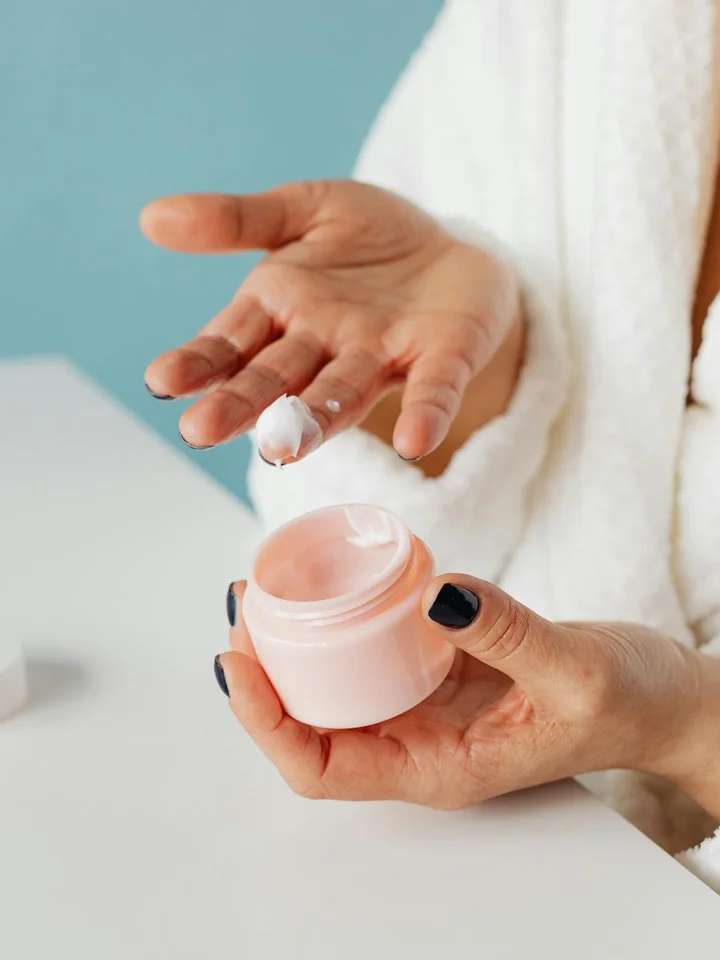
Think of your skin barrier like a brick wall. Cleansing can wash away some of the essential “mortar.” Applying an emollient is the act of carefully repointing and smoothing that wall to make it strong and solid again. Doing it correctly makes all the difference.
The Ideal Routine Order
Follow this sequence to ensure your treatments work and your emollient seals them in.
- Cleanse: Use a gentle, non-stripping formula to clear away impurities without damaging your lipid barrier.
- Treat (Optional): Apply any treatment products like a vitamin C serum or a prescription retinoid. These are typically water-based and need direct contact with skin.
- Emolliate: This is your final moisturizing step. The emollient acts as the protective topcoat, sealing in everything beneath it.
Applying your emollient is the non-negotiable final step in your routine, as it locks in both your treatments and vital hydration.
The Damp Skin Secret
This is the single best tip I give every client. Never apply your emollient to bone-dry skin. Your skin should be slightly damp from cleansing or from applying a water-based humectant serum like hyaluronic acid.
Here’s why: Emollients are occlusive. They trap whatever is underneath them. If you apply them to dry skin, you’re just sealing in dryness. Applying to damp skin allows the emollient to seal in that water, massively boosting hydration and supporting the repair process.
Gentle Technique: Press and Pat
How you apply matters. Rubbing or dragging thick cream across your skin can tug at delicate, compromised barriers and cause irritation.
- Warm a small amount of product between your fingertips.
- Gently press and pat it onto your skin, starting at the center of your face and moving outward.
- Use upward motions on your neck.
Pressing and patting ensures even distribution without causing friction, allowing the emollient to simply settle into the gaps between skin cells where it’s needed most.
How to Layer Emollients
You can absolutely use more than one. The rule is simple: apply the product with the lightest, most fluid texture first, and finish with the richest, most occlusive one.
For example, you might press in a few drops of a light squalane oil (an emollient), then follow with a richer ceramide cream. The oil fills microscopic cracks, and the cream creates a protective seal over the top. For my client Lina, this method works perfectly-she uses a light emulsion on her oily T-zone and a richer butter on her dry cheeks.
Choosing Your Perfect Match: From Lightweight Lotions to Rich Balms
Not all emollients feel the same. Your skin type and personal preference will guide you to your perfect texture match. Here’s a simple spectrum from lightest to richest.
The Texture Spectrum
- Oil / Lightweight Gel: Fast-absorbing, leaves a silky feel. Great for oily skin or under other products.
- Lotion / Milk: Has a higher water content, feels fluid and refreshing. Ideal for normal to combination skin.
- Cream: The classic moisturizer. A balanced blend of water and oils that provides substantial softening and protection.
- Butter / Balm / Ointment: Rich, dense, and intensely occlusive. Best for very dry, flaky areas or as a nighttime treatment for compromised barriers.
Matching Texture to Skin
Let’s use our client profiles as real-world examples.
Maya (oily, acne-prone): She thrives with a lightweight gel or a non-comedogenic oil like squalane. Heavy creams can feel suffocating and lead to congestion for her.
Noah (dry, reactive): His skin drinks up a rich ceramide cream or a soothing balm. These textures provide the lasting comfort and protection his barrier craves without any irritating fragrance.
Lina (combination, sensitive): She often “zones” her application. A light lotion works for her entire face, but she’ll press a little extra butter onto her parched cheek areas in winter.
The right emollient should feel comforting, not irritating or like it’s just sitting on top of your skin.
Reading the Label
You don’t need a chemistry degree. First, look for the word “emollient” or “barrier-repair” in the product description. Then, scan the ingredient list. Key emollient ingredients like squalane, ceramides, fatty acids (e.g., linoleic acid), and cholesterol should be listed near the top, not the very bottom.
Your Emollient Questions, Answered
What’s the real difference between emollients, humectants, and occlusives?
Think of them as a hydration team: humectants (like glycerin) draw water in, emollients (like squalane) smooth and repair the surface cracks, and occlusives (like shea butter) seal everything in. An effective moisturizer often combines all three for resilient, hydrated skin.
I have oily or acne-prone skin. Do I really need an emollient?
Yes, especially if you use drying actives. A lightweight, non-comedogenic emollient like squalane helps repair your barrier, which can actually help regulate oil production and prevent the sensitivity that comes from over-stripping your skin.
What’s the single best tip for applying an emollient?
Always apply to slightly damp skin. This allows the emollient to seal in that hydration, dramatically boosting its barrier-repairing effectiveness compared to applying it to dry skin.
Your Skin Barrier, Made Stronger
Emollients are the reliable, everyday ingredients that quietly smooth and fortify your skin. Selecting a gentle, sustainable emollient suited to your skin type is the most direct way to repair dryness and build lasting comfort.
- Apply your emollient cream or oil to damp skin to lock in moisture more effectively.
- Look for simple, plant-based oils like squalane or jojoba in your moisturizers for ethical barrier support.
- If your skin feels rough or tight, use an emollient-rich product both morning and night.
- Patch test any new product on your inner arm for 24 hours to check for reactions.
Your skin care journey is personal, and I’m here to help you navigate it. You can always find more trustworthy, detailed guidance on LuciDerma, including how to build a skincare routine, and I welcome your questions about emollients or any skin concern. My goal is to provide you with clear, compassionate advice that puts your skin’s health first.
Further Reading & Sources
- Optimizing Emollient Therapy for Skin Barrier Repair in Atopic Dermatitis – PMC
- Damaged skin barrier treatment with emollient – Ceramol International
- Optimizing emollient therapy for skin barrier repair in atopic dermatitis – ScienceDirect
- Emollients – National Eczema Society
- Role of topical emollients and moisturizers in the treatment of dry skin barrier disorders – PubMed
- Optimizing emollient therapy for skin barrier repair in atopic dermatitis – Annals of Allergy, Asthma & Immunology
- Optimised emollient mixture for skin barrier repair: Applications to global child health – PMC
- An optimized inexpensive emollient mixture improves barrier repair in murine skin – ScienceDirect
- Optimizing emollient therapy for skin barrier repair in atopic dermatitis – PubMed
- Emollients: Creams, Soaps, Moisturizers, Ointments, Benefits
Lucy Zimmerman
Lucy is an expert author and blogger when it comes to skin care and body care. She has first hand expertise acting as skin care consultant for over 5+ years helping her clients achieve smooth blemish free skin with natural and working remedies. She also has been an avid experimenter and tried out all the natural and artificial remedies and treatments so you can learn from her first hand experience. Additionally, she has traveled to many countries around the world and incorporated the skin care routines she has learnt into this blog. So, wait no more, reach out to Lucy if you have any specific needs and follow her blog, LuciDerma for expert skin care advice.