
Squalane vs. Squalene: Simplify Your Skincare for a Resilient Barrier
Staring at skincare labels and puzzling over squalane versus squalene is a common skin care hurdle. I guide clients through this exact choice every week to find the right hydrator for their unique needs.
By the end of this article, you will be able to confidently:
- Spot the difference between squalane and squalene and understand why one letter changes everything for your skin’s stability.
- Identify how each ingredient directly supports and repairs your skin’s protective barrier against irritation.
- Select and apply the correct oil or serum for your skin type to achieve lasting hydration without guesswork.
You have everything you need to make your skin feel supported and calm.
The Simple Science: What Are Squalene and Squalane?
Let’s start with a simple truth: your skin already knows one of these ingredients intimately. Squalene (with an ‘e’) is a natural hydrocarbon your body produces. Think of it as your skin’s built-in moisturizer, secreted by your sebaceous glands to help keep your lipid barrier supple and hydrated. This is especially beneficial when using moisturizers compatible with adapalene treatment, which can sometimes dry out the skin.
My client Noah, with his dry, reactive skin, actually produces less of this natural squalene as he’s gotten older, which is a big part of why his skin feels tight and fragile.
Now, meet its superstar sibling: Squalane (with an ‘a’). This is the form you’ll find in almost every skincare product on the shelf today. Squalane is created by hydrogenating squalene, a process that simply adds hydrogen atoms to make the molecule stable. The best analogy I have is fresh fruit versus dried fruit. Squalene is like a fresh blueberry-incredible and natural, but it spoils quickly. Squalane is like that same blueberry, gently dried. It retains all the goodness but has a long, stable shelf life, making it perfect for your skincare routine.
Here’s a quick “Molecule Spec Sheet” to compare them side-by-side:
| Property | Squalene | Squalane |
| pH Compatibility | Skin-neutral | Skin-neutral |
| Typical Product Concentration | Rarely used | 5% – 100% (as a pure oil) |
| Solubility | Oil-soluble | Oil-soluble |
| Safety & Sensitivity Profile | High purity is gentle, but prone to oxidation which can cause irritation. | Exceptionally low risk of irritation. Non-comedogenic and suitable for all skin types, including sensitive. |
Squalane vs. Squalene: The One Difference That Changes Everything
If you remember only one thing, let it be this: stability is everything. That single hydrogen atom difference between the ‘e’ and the ‘a’ transforms squalene from a fragile molecule into a skincare workhorse.
Squalene is unstable because it has double bonds in its chemical structure. These bonds are highly reactive with oxygen in the air, a process called oxidation. When squalene oxidizes, it turns rancid-this not only ruins the ingredient but the resulting compounds can promote free radical damage and irritate your skin, which is the last thing you want from a moisturizer.
This is precisely why you’ll find squalane in your products, not squalene. The hydrogenation process saturates those reactive double bonds, making squalane oxidation-resistant, inert, and incredibly skin-friendly.
The Ethical Evolution: From Sharks to Sugarcane
Historically, squalene was sourced from shark liver oil, a practice that is as unsustainable as it sounds. The beauty industry has, thankfully, evolved. Today, the squalane in your products is 100% plant-derived. It’s most commonly sourced through the fermentation of sugarcane or extracted from olives. When you choose a product with squalane, you are almost certainly choosing a vegan, sustainable, and cruelty-free ingredient. Modern cosmetic-grade squalene is rare, but if you do see it, always check its source.
Shelf Life & Oxidation Signs: Why Squalane Wins for Your Shelf
Because of its stability, squalane has a long shelf life. To make any oil last longer, store it in a cool, dark place away from direct sunlight (your steamy bathroom cabinet isn’t ideal).
Signs an oil has oxidized include a noticeable change in color (getting darker) and a sharp, unpleasant odor-think of old cooking oil. You’ll likely never see this with pure squalane. Squalane’s resistance to spoilage means the product in the bottle stays as gentle and effective as the day it was made, which is a win for your skin’s consistency and your wallet. For someone like my client Lina, who loves a simple, reliable routine, this longevity and reliability are key.
Skin Barrier Benefits: Why Your Skin Loves Them Both (and Which to Choose)

Think of your skin’s barrier as a brick wall. Your skin cells are the bricks, and lipids (fats) are the mortar that holds everything together and keeps moisture in. Both squalene and squalane are remarkably similar to the lipids your skin makes naturally.
When you apply them, they slip right into that mortar layer, helping to patch up weak spots and reinforce your skin’s natural defenses. This leads to three clear benefits you can feel.
- Non-Greasy Hydration: They deliver moisture without the heavy, slick feeling of some oils. It’s like giving your skin a drink of water instead of soaking it in a bathtub of oil.
- Reduces Water Loss: By fortifying the mortar, they help seal hydration in. This reduces what we call trans-epidermal water loss (TEWL), which is just a clinical way of saying your skin doesn’t get as dry as quickly.
- Creates a Smooth Canvas: A happy, hydrated barrier feels soft and looks smooth. This makes applying anything else, like makeup or sunscreen, much easier.
For a daily skincare routine focused on barrier support, squalane is the clear, practical winner for almost everyone. It gives your skin the identical reinforcing benefits as squalene, but it remains stable and effective in your bottle and on your face. Choosing squalane means you get reliable, everyday barrier repair without the risk of oxidation. Plus, its compatibility with a broad pH range helps support the skin’s natural barrier health. In pH-conscious skincare formulations, squalane stands as a dependable choice for barrier health.
Answering Your Skin-Type Questions: Acne, Oily Skin, and Wrinkles
Let’s get specific about your concerns. A question I hear constantly in my practice is about clogged pores.
Is it comedogenic?
Squalane is non-comedogenic, meaning it is very unlikely to clog pores. Its molecular structure is light and it mimics your skin’s own sebum so closely that it’s recognized easily, absorbing without sitting on top of pores and blocking them, unlike some comedogenic ingredients that clog pores.
For Oily and Acne-Prone Skin
If you have oily or acne-prone skin like my client Maya, you might fear any oil. But squalane can be a game-changer. When your skin is dehydrated, it can overcompensate by producing more oil. Lightweight squalane provides the hydration your skin craves, which can actually signal your skin to produce less of its own oil. Maya found that applying 2-3 drops of pure squalane to damp skin after her serum totally changed her midday shine.
For active acne, squalane’s benefit is in support. It helps calm inflammation and creates a healthy environment for skin to heal, all without adding a clogging agent to the mix. It’s a helper, not a fighter. On acne-prone skin, people often consider the squalane and squalene comparison for comedogenic risk. Understanding this balance can guide safer choices for acne-prone skin.
For Wrinkles and Fine Lines
Wrinkles often look more pronounced when skin is dry. By powerfully bolstering the skin barrier and reducing water loss, squalane helps skin retain optimal moisture levels. Well-hydrated skin plumps up from within, making fine lines and wrinkles appear softened and smoother. The best anti-aging routine starts with a rock-solid barrier. Natural moisturizing factors (NMF) help lock in hydration by attracting and retaining water in the outer skin layer. Paired with a strong barrier, they support lasting smoothness and plumpness.
How to Use Squalane in Your Routine: A Step-by-Step Guide
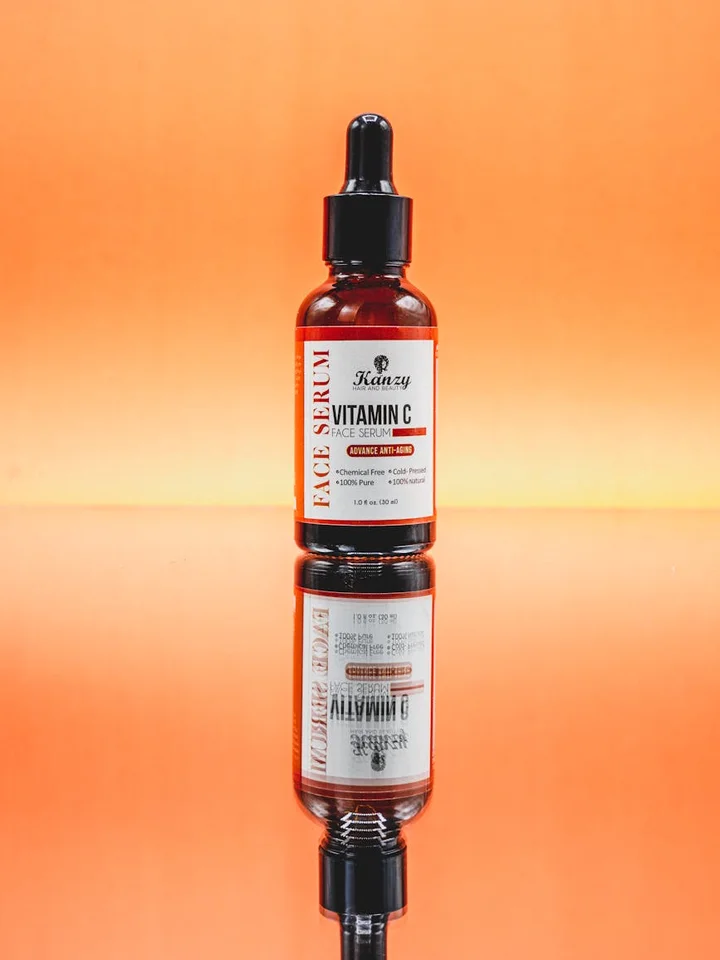
Think of your skincare routine as getting dressed. You start with light layers and finish with the coat that seals everything in. Squalane is that perfect, breathable jacket.
Here is your order of operations:
- Cleanser
- Toner or Essence (if you use one)
- Water-Based Serums (like Vitamin C, hyaluronic acid, or niacinamide)
- Squalane Oil
- Moisturizer or Cream
- Sunscreen (in the AM)
Squalane belongs after your serums because those are water-based and need to sink into the skin first. Applying an oil before them can create a barrier that blocks their absorption.
Three Simple Application Methods
You do not need a complicated technique. Choose the method that fits your skin’s mood that day.
Method 1: Pressed Onto Damp Skin
This is my favorite for most skin types. Right after applying your serum, while your skin is still slightly damp, warm 2-3 drops of squalane between your palms. Gently press and pat it over your face and neck. The dampness helps it spread easily and locks in that extra hydration. It’s especially effective when applied over a hyaluronic acid serum layer.
Method 2: Mixed With Your Moisturizer
If you prefer a one-step process, add 1-2 drops of squalane directly into your dollop of moisturizer. Mix it between your fingers and then apply. This is a fantastic way to boost a moisturizer that feels a bit lackluster on its own—just make sure to check the application order if you’re also using any treatment products.
Method 3: As a Final Occlusive Layer
For very dry or compromised skin barriers, use squalane as your last step. Apply your serum and moisturizer as usual. Then, press a thin layer of squalane over the top. This acts like a protective seal, slowing water loss overnight. My client Noah uses this method during harsh winters to prevent the tight, reactive feeling he gets. Think of this as part of a broader routine of layering hydrating serums and moisturizers for lasting moisture. The final squalane seal helps lock in hydration after you apply your serums and moisturizers.
Can I Use Squalane With Vitamin C?
Absolutely, and I often recommend it. Vitamin C serums can be potent. Applying squalane right after helps buffer any potential irritation and prevents the Vitamin C from feeling dry or tacky. This pairing delivers antioxidant protection while ensuring your skin stays calm and comfortably hydrated.
Do not Forget Your Body
Squalane is a hero for rough patches. After showering, pat your skin until it’s just damp and massage a few drops into elbows, knees, and heels. It absorbs quickly without leaving a greasy film on your clothes.
What to Look For (and Avoid) When You Shop

The market is full of oils, but a few simple checks will help you find a pure, effective, and ethical squalane.
First, check the spelling on the ingredient list: you want “Squalane” (with an ‘a’). If it is high on the list, that means the concentration is good. “Squalene” (with an ‘e’) is the unstable version not typically used in skincare formulas.
Next, investigate the source. This is where ethics and stability meet. Always choose brands that clearly state their squalane is 100% plant-derived, usually from sugarcane or olives. This is sustainable, cruelty-free, and has the consistent quality your skin deserves.
Be a cautious mixer. Squalane is a simple, gentle molecule. Sometimes it gets blended into complex serums or moisturizers. For my sensitive-skinned clients like Lina, I advise avoiding formulas that pair squalane with heavy fragrances or high concentrations of drying alcohols, as these can counteract its soothing benefits. Read the full label.
You often do not need a complex blend. A bottle of 100% plant-derived squalane is frequently the most versatile, straightforward, and cost-effective option. You can use it alone, mix it with anything, and know exactly what you are putting on your skin.
Your Squalane Questions, Simply Answered
Is squalane or squalene better for my skincare routine?
Squalane (with an ‘a’) is the clear choice for daily use. It provides identical barrier-supporting benefits as the squalene your skin makes, but its stable formula won’t oxidize and spoil in your bottle.
Can I use squalane with active ingredients like retinol or AHAs/BHAs?
Absolutely. Applying squalane after actives helps buffer potential irritation and counteracts dryness. It supports your barrier, allowing your skin to tolerate and benefit from exfoliants and retinoids more comfortably.
How can I be sure I’m choosing a high-quality, plant-based squalane?
Always check the ingredient list for “Squalane” and look for a stated plant source like sugarcane or olive. Reputable brands will clearly advertise their squalane as 100% plant-derived, ensuring it’s both effective and ethical.
Your Barrier, Your Choice
When it comes to fortifying your skin’s natural defenses, squalane is the clear, stable, and gentle champion you can count on. Choosing a plant-derived squalane, like the kind from sugarcane, supports your skin barrier without compromising your ethical values. This one simple swap can bring a noticeable calm and suppleness to skin that feels stressed, tight, or simply out of balance.
- Reach for squalane, not squalene: Its stable, non-comedogenic nature makes it safe and effective for every skin type, from Noah’s reactive skin to Maya’s oily complexion.
- Look for sustainable sourcing: Opt for brands that derive their squalane from plants like sugarcane or olives, a choice that’s kind to your skin and the planet.
- Use it as your hydration anchor: Apply 2-3 drops to damp skin morning or night, either alone or by mixing it into your moisturizer for a boosted barrier repair.
- Appreciate its gentle power: It mimics your skin’s own lipids so closely that it helps repair without ever feeling heavy or causing irritation.
I hope this guide helps you feel more confident in choosing the right ingredient for your skin’s health. If you have more questions about barrier repair or sustainable skincare, I’m always here to help. You can follow along for more practical advice right here on the blog-consider this your permanent, welcoming seat in my virtual treatment room.
References & External Links
- Squalene vs Squalane: Dermatologists Explain the Difference
- Here’s the Difference Between Squalene and Squalane Skin-Care Products
- Ask a Chemist: What is the Difference Between Squalene and Squalane? – Fig.1 Beauty
- The Formulator’s Guide to Squalene and Squalane – Formula Botanica
- Squalene vs Squalane: what’s the difference …
- Squalene and Squalane in Skin Care Products – Skin Type Solutions
- Squalane vs. Squalene | Beauty Forecast™ | Pour Moi
- Squalane Oil for Skin: Benefits and How to Use It | CeraVe
- Understanding the Key Differences Between Squalane and Squalene
Lucy Zimmerman
Lucy is an expert author and blogger when it comes to skin care and body care. She has first hand expertise acting as skin care consultant for over 5+ years helping her clients achieve smooth blemish free skin with natural and working remedies. She also has been an avid experimenter and tried out all the natural and artificial remedies and treatments so you can learn from her first hand experience. Additionally, she has traveled to many countries around the world and incorporated the skin care routines she has learnt into this blog. So, wait no more, reach out to Lucy if you have any specific needs and follow her blog, LuciDerma for expert skin care advice.