
Adapalene vs. Differin: Finding Your Path to Clear Skin
Staring at the pharmacy shelf, wondering if adapalene or Differin is the better pick for your acne, is a common skin care dilemma I help clients navigate every week.
This article will give you the clarity you need by focusing on what matters most for your routine:
- You’ll learn the straightforward truth about adapalene and Differin, so you understand what you’re actually putting on your skin.
- You’ll compare their real-world effectiveness for different acne types, helping you choose based on your specific needs.
- You’ll get my clinical tips for starting safely to manage irritation and see better results from your treatment.
Let’s get you the clear answers you deserve for your skin.
Decoding the Molecule: What Exactly is Adapalene?
Let’s get straight to the chemistry. Adapalene is a third-generation synthetic retinoid. Think of it as a cleverly designed cousin, not a direct descendant, of natural vitamin A (retinol). Its synthetic nature is a strength, making it more stable and often less irritating than some of its family members. That contrast clarifies the adapalene and retinol difference and how they fit into retinoid classification. It also frames the generation-based terminology you’ll encounter.
Its primary job in your skincare routine is threefold: unclogging pores, accelerating skin cell turnover, and calming inflammation. For a client like Maya with oily, acne-prone skin, this is the triple action that makes a real difference. It helps prevent the sticky clogs that become blackheads and pustules while quietly telling older, dull skin cells to move along more quickly.
I like to explain it as a gentle, persistent traffic director for your skin. It doesn’t screech in with sirens. Instead, it consistently guides pore-clogging debris and sluggish cells off the main road, reducing congestion and the inflammatory flares that cause painful, red pimples.
Here’s a quick look at the key specifications of the adapalene molecule itself. This “spec sheet” explains why it works the way it does.
Adapalene Molecule Spec Sheet
| Property | Detail |
| Type | Synthetic Third-Generation Retinoid |
| Standard OTC Concentration | 0.1% |
| Typical pH Range (in gels) | 5.5 – 7.0 (skin-friendly) |
| Solubility | Lipophilic (oil-loving) |
| Key Safety Notes | Pregnancy Category C. Causes photosensitivity; daily sunscreen is non-negotiable. |
Its oil-loving (lipophilic) nature is a secret weapon, allowing it to mix well with the oily environment inside your pores for more targeted action. The skin-friendly pH is another reason many people find it more tolerable than other retinoids right from the start.
The Big Confusion: Is Adapalene the Same Thing as Differin?
This is the question I hear all the time: is adapalene and Differin the same thing? The short answer is yes, and also no. Let me clarify.
Adapalene is the generic drug name, the official name of the active pharmaceutical ingredient. Differin is a brand name, the original prescription product that first brought adapalene to market. It’s the same relationship as between ibuprofen (the drug) and Advil (a brand).
Since Differin went over-the-counter, many pharmacies and stores have launched their own versions. You’ll see adapalene gel from Walgreens, CVS, Taro, and others. This brings us to the classic generic vs. brand debate.
The FDA requires generic drugs to be bioequivalent to their brand-name counterparts, meaning they must deliver the same amount of active ingredient into your body in the same way and timeframe. For the core job of treating acne, a 0.1% adapalene gel from a store brand is as effective as the Differin-branded 0.1% gel.
Where they differ is in the inactive ingredients-the vehicle formula that delivers the drug. This can change the product’s texture, spreadability, and how it feels on your skin. A gel might be more drying for someone with already dry skin, while a creamier generic formula could be better suited.
For my client Noah, who has dry, reactive skin, the choice between a brand and a generic often comes down to these inactives. A formula with simpler, more soothing inactive ingredients can make the retinoid adjustment period much smoother for sensitive skin types. The takeaway? The active power is identical, but the feel on your skin may vary, and that’s a valid reason to choose one over another.
How Adapalene (and Differin) Fights Your Acne
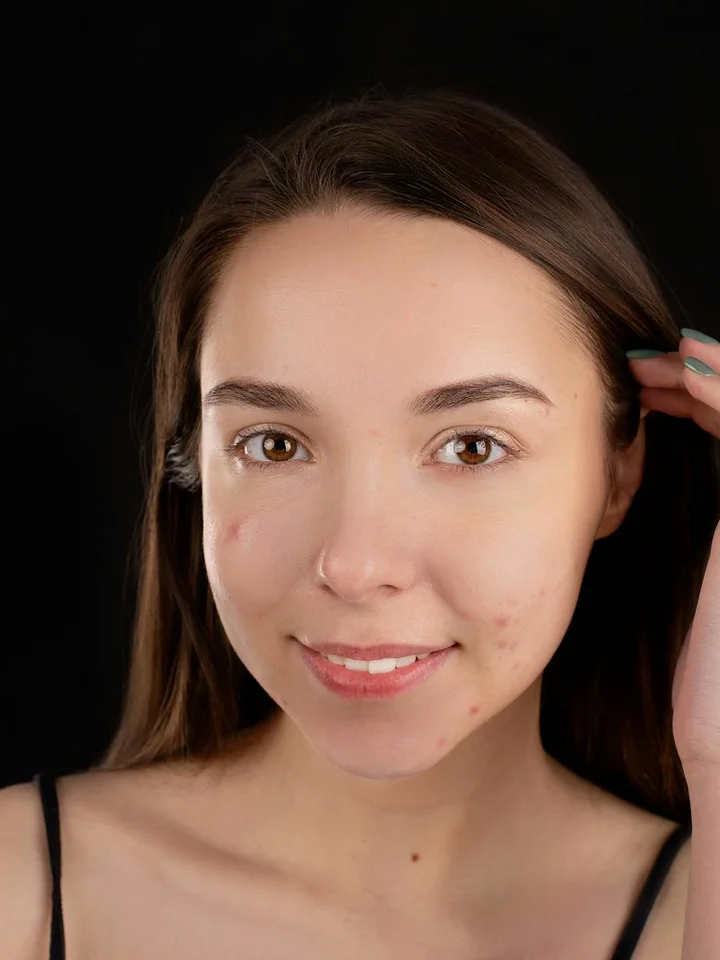
Think of adapalene as your skin’s dedicated traffic controller and cleanup crew. It doesn’t just attack one pimple, it works to prevent the whole traffic jam from happening again. Its job happens in three key, connected steps.
First, it unclogs the pipes. Your pores get blocked when dead skin cells and oil stick together with a kind of natural “glue.” Adapalene works by loosening that glue, allowing the gunk inside your pores to clear out more easily. This is its primary comedolytic action, and it’s why it’s so good at preventing those under-the-skin bumps and blackheads before they even become red and angry.
Second, it encourages a fresher surface. Our skin naturally sheds, but sometimes that process gets sluggish, leaving a layer of dull, dead cells that can clog pores. Adapalene gently speeds up cell turnover. By encouraging your skin to refresh itself at a more regular pace, it helps smooth texture and fade the dark marks leftover from old breakouts. It’s like helping your skin consistently put its best, freshest face forward.
Third, and this is its secret weapon, it calms the fire. Many retinoids are great at unclogging, but adapalene is specifically designed to target inflammation. This anti-inflammatory superpower is what makes it uniquely effective for painful, red, cystic-looking bumps, the kind my client Maya describes as hurting when she just smiles. It helps quiet that deep, angry swelling from the inside out.
Contraindications & Safety Warnings: When Not to Try It
As effective as it is, adapalene isn’t for everyone or for every situation. Being cautious here protects your skin’s health, especially when considering adapalene for potential interactions with other skincare medications.
Do not use adapalene if you are pregnant, breastfeeding, or trying to conceive. This is a firm, non-negotiable safety rule for all retinoids, and you must consult your doctor for alternatives.
Never apply it to visibly wounded or compromised skin. This means skip it on areas with active eczema, sunburn, cuts, or razor burn. Applying it to broken skin dramatically increases irritation and stinging. Let those areas heal fully first.
Go slow with other exfoliants. Your skin needs time to adjust to adapalene. Using other strong exfoliants like AHA/BHA acids, benzoyl peroxide washes, or physical scrubs at the same time of day, especially when starting out, is a common recipe for a raw, angry barrier. If you want to use both, use your acid in the morning and adapalene at night, and listen closely to your skin’s tolerance.
Always do a patch test. If you have reactive skin like my client Noah, apply a pea-sized amount to a small area like the side of your jaw or behind your ear for three nights. This trial run helps you gauge your skin’s initial reaction without committing your whole face to potential discomfort. If you experience severe redness or burning, you may need to ease in even slower (using it every other night) or discuss it with a dermatologist.
Your Step-by-Step Guide: How to Use Differin Adapalene Gel

Think of starting adapalene like learning to run. You wouldn’t sprint a marathon on day one. This method gets your skin acclimated without causing a meltdown.
Here is your exact nightly application routine.
- Cleanse gently. Use a simple, fragrance-free cleanser with lukewarm water. Pat your face completely dry with a clean towel. The skin must be dry before the next step.
- Apply your moisturizer (optional but recommended for beginners). This is called “buffering.” Applying a basic moisturizer to damp skin first creates a protective layer that can minimize initial dryness and stinging. My client Noah, with his reactive skin, always starts this way.
- Dispense a pea-sized amount. This is not a suggestion. A pea-sized amount for the entire face, neck, and chest if applying there. More product does not mean faster or better results. It means a higher chance of irritation.
- Dot and spread. Dot the gel onto your forehead, cheeks, nose, and chin. Gently spread it into a thin, even layer over all areas where you’re prone to breakouts, not just on individual pimples.
- Follow with moisturizer if you buffered earlier, or wait and moisturize 20 minutes later. Sealing everything in with a moisturizer helps lock in hydration and supports your skin barrier.
Applying sunscreen every single morning is not optional with adapalene. Your skin becomes more photosensitive, making it more prone to sun damage and dark spots. A mineral SPF 30 or higher is your best friend.
The Beginner’s 4-Week Introduction Plan
Rushing leads to redness. This slow build gives your skin the time it needs to adjust.
Weeks 1 & 2: The Cautious Start
Use adapalene only two nights a week (e.g., Monday and Thursday). On your “rest” nights, focus on barrier repair: cleanse, use a soothing serum with ingredients like centella asiatica, and apply a rich moisturizer. This is the phase where patience pays off.
Weeks 3 & 4: The Gentle Increase
If your skin is tolerating it well-some dryness or slight flaking is normal-increase to every other night. This means you’ll use it about 3 or 4 times a week. Listen to your skin. If it feels raw or burns, pull back to twice a week for another week.
You need to know the difference between a purge and a reaction. A purge looks like small whiteheads or blackheads appearing in areas where you usually break out; it’s your skin clearing out congestion, and it typically subsides within a few weeks. Irritation looks like widespread redness, a rash, intense burning, or severe dryness. Irritation means you should stop, focus on soothing your skin, and try again more slowly once it’s calmed.
Advanced Moves: Pairing with Benzoyl Peroxide and Other Actives
Once your skin is fully accustomed (think month two or three), you might consider combining forces. The “Panoxyl vs Differin” question is common-the answer is often “and,” not “or.”
Using a benzoyl peroxide wash in the morning and adapalene gel at night is a classic, effective combination for stubborn acne. They work through different mechanisms, and separating them minimizes potential irritation. The adapalene-benzoyl peroxide combination is a widely endorsed approach for persistent breakouts. It offers a balance of efficacy and tolerability, and can fit into a straightforward routine. Modern stabilized adapalene formulas are not deactivated by benzoyl peroxide, so you can safely use both in your overall routine.
For other actives, follow these rules:
- Salicylic Acid: Using a SA cleanser a few mornings a week is generally fine. Avoid using strong SA leave-on treatments on the same night as adapalene.
- Vitamin C: A morning vitamin C serum is an excellent partner, as its antioxidant properties complement adapalene’s renewal effects. Just be sure your skin is fully acclimated first.
- AHA/BHA Exfoliants: Pause any chemical exfoliants (like glycolic or lactic acid toners) during your initial 4-8 week adjustment. Later, you can cautiously reintroduce them, using them only on nights when you are not using adapalene.
Navigating the Adjustment Period: Expected Side Effects
Almost everyone experiences an adjustment period. Knowing what to expect removes the fear.
Common side effects include dryness, peeling or flaking (especially around the mouth and nose), redness, and that initial “purge” we discussed. My client Maya described her first few weeks as “a bit sandy and pink,” but it smoothed out by week five.
You can manage these effects.
- If dryness is intense, use the “buffer and seal” method with moisturizer every time.
- For peeling spots, apply a gentle ointment like plain petrolatum to those areas before applying adapalene to the rest of your face.
- If stinging occurs, skip a night or two. Let your skin recover before your next application.
You should stop and consult a doctor if you experience severe burning, blistering, swelling, or a rash. This indicates your skin is not tolerating the treatment.
This adjustment phase is temporary. For most people, it significantly improves within 2 to 6 weeks as your skin builds tolerance. Consistency and a gentle, hydrating routine are your tools to get through it.
Adapalene vs. Retinol: Which One Belongs in Your Routine?
Think of your skin routine like hiring a specialist. You wouldn’t call a general contractor to fix a complex electrical issue. Retinol is the versatile contractor, great for many jobs. Adapalene is the licensed electrician, brought in for one specific, persistent problem.
Adapalene is a targeted, FDA-approved prescription drug (now available over-the-counter) designed specifically to treat acne. It works by normalizing skin cell turnover to prevent pores from clogging and by calming the inflammation that makes pimples red and angry. Understanding adapalene gel uses and its effectiveness for acne can guide treatment decisions. Next, we’ll touch on what to expect in terms of results and safety.
Retinol is a cosmetic ingredient, a form of vitamin A. It’s wonderful for addressing signs of aging like fine lines, improving skin texture, and fading dark spots. It can help with very mild, occasional acne, but that’s not its primary job.
For persistent, inflammatory acne-the deep, painful bumps or the clusters of breakouts that keep coming back-adapalene is typically the more effective choice. It’s built for that fight.
One critical rule: you should not use adapalene and retinol simultaneously. Using both is a fast track to a raw, irritated barrier. You choose one based on your primary skin goal: pick adapalene to combat acne, pick retinol to focus on aging and overall skin renewal.
How to Choose: Is Adapalene or Differin Gel Right for You?
The name “Differin” is simply the brand name for the first OTC adapalene gel (0.1%). It’s like tissues versus Kleenex. So, you’re really choosing between a trusted brand-name formulation and other generic adapalene gels. The decision comes down to your skin’s personality and your budget.
Let’s tie this back to the faces you might recognize. For someone like Maya, with oily, acne-prone skin, a gel like Differin is often a perfect first-choice treatment. Its lightweight texture suits her skin type, and its strength can effectively tackle her clogged pores and breakouts.
For someone like Noah, who has dry, reactive skin, the choice to use adapalene requires a strategy. A generic cream formulation might be gentler than a gel. The key for dry or sensitive types is a “slow and low” start, paired with intense moisturizing before and after application to buffer the effects. Some moisturizers are compatible with adapalene use, helping hydration during treatment. Look for fragrance-free, non-comedogenic formulas to minimize irritation.
No matter which you pick, three non-negotiable rules apply. First, sunscreen every single morning is mandatory. Adapalene makes your skin more sun-sensitive. Second, you need patience. It can take 8-12 weeks of consistent use to see real improvement, and your skin might look worse before it gets better (this is the “purge”). Third, pair it with a gentle supporting routine: a mild cleanser, a simple moisturizer, and no other harsh actives (like AHA/BHA acids) until your skin is fully adjusted.
Your Quick Questions, Answered
Are generic adapalene gels from Walgreens or Taro as effective as the Differin brand?
Yes, for clearing acne, they are equally effective. The FDA requires all 0.1% adapalene gels to be bioequivalent, meaning the active ingredient works identically.
Choose based on your skin’s sensitivity to the inactive ingredients; some generic formulas may have a different texture or base that feels better on your skin.
Can I use a Panoxyl (benzoyl peroxide) wash with my adapalene gel?
Absolutely, and it’s a powerful combination for stubborn acne. Use the Panoxyl wash in the morning and apply your adapalene gel at night to minimize potential irritation while tackling breakouts from two angles.
Modern adapalene remains stable, so benzoyl peroxide won’t deactivate it-just listen to your skin and ensure it’s tolerating both well.
Once my acne is clear, should I switch from adapalene to a retinol?
Not necessarily. Adapalene is excellent for long-term maintenance to prevent acne from returning, and it also provides anti-aging benefits.
Only consider switching to a cosmetic retinol if your primary goal shifts entirely to anti-aging and you no longer need targeted acne prevention.
Your Clear Skin Roadmap
At the end of the day, both Adapalene and Differin contain the same powerful ingredient to tackle acne at its source. Your personal success hinges less on the name on the bottle and more on a consistent, gentle routine that supports your skin barrier.
- Always apply your retinoid to completely dry skin to significantly reduce irritation.
- Protect your progress by using a mineral sunscreen every single morning without fail.
- Give your skin a full 12 weeks to adjust and show real results before deciding if it’s working.
- If you experience redness or peeling, slow down and use the product every other night.
- Listen to your skin-if a formulation stings or feels uncomfortable, it’s okay to try a different one.
Navigating retinoids can feel tricky, but you’re not doing it alone. I’m here to help demystify skin care, so continue following along on LuciDerma for more evidence-based advice. Send me your questions anytime; your journey to healthier skin is a story I’m always eager to support.
Citations and Authoritative Sources
- Adapalene (Differin) vs tretinoin for anti-aging and acne
- Adapalene vs Differin vs La RochePosay Curist: Treatment for Acne
- Differin Gel (Adapalene) vs. Benzoyl Peroxide & SA | Differin
- r/SkincareAddiction on Reddit: [Product Question] What are the differences between Adapalene (Differin) and Tretinoin?
Lucy Zimmerman
Lucy is an expert author and blogger when it comes to skin care and body care. She has first hand expertise acting as skin care consultant for over 5+ years helping her clients achieve smooth blemish free skin with natural and working remedies. She also has been an avid experimenter and tried out all the natural and artificial remedies and treatments so you can learn from her first hand experience. Additionally, she has traveled to many countries around the world and incorporated the skin care routines she has learnt into this blog. So, wait no more, reach out to Lucy if you have any specific needs and follow her blog, LuciDerma for expert skin care advice.