
Collagen Peptides for Your Skin: The Honest Benefits and Side Effects
You’ve likely seen collagen peptides touted as a miracle for aging skin, but sorting real results from hype can feel overwhelming. As an esthetician, I help clients like Lina navigate these choices with clear, evidence-based guidance.
- You’ll understand how collagen peptides actually work on your skin’s surface versus what happens inside your body.
- You’ll learn the proven benefits for skin hydration, firmness, and texture that I see in my practice.
- You’ll know how to identify and avoid potential side effects, such as irritation or allergic reactions.
- You’ll feel empowered to decide if a collagen peptide product is a smart addition to your unique routine.
Let’s build your understanding so you can make a choice that feels right for your skin.
Collagen Peptides Explained: What They Are and How They’re Made
Think of collagen as the scaffolding that holds your skin up. It’s the most abundant protein in your body, responsible for that plump, firm, youthful look. As we get older, our natural production slows down. That’s where collagen peptides come in.
Collagen peptides are simply tiny, pre-digested pieces of the full collagen protein. They’re small enough for your body to absorb efficiently and use as building blocks.
Where Do They Come From? Sourcing Matters
Most collagen peptides are derived from animal connective tissues. The common sources are:
- Bovine (Cow): Sourced from hides and bones. This is the most common and studied type.
- Marine (Fish): Sourced from fish skin and scales. The molecules are slightly smaller, which some believe allows for easier absorption.
- Poultry (Chicken): Often sourced from chicken cartilage, rich in Type II collagen which is great for joints.
My client Noah, with his sensitive skin, always asks about sourcing. I advise looking for brands that are transparent. We prefer marine or bovine collagen from animals raised without routine antibiotics or hormones, and from fisheries or farms committed to sustainable practices. It’s better for you and the planet.
The Hydrolysis Process: Making Collagen “Bioavailable”
You can’t just grind up animal hide and eat it. Raw collagen is a large, complex molecule that your gut can’t easily process. To create peptides, manufacturers use a process called enzymatic hydrolysis.
This process uses specific enzymes to “chop” the long strands of collagen protein into very short chains of amino acids-the peptides. This reduces their size and molecular weight dramatically. These peptides can then be explored for various uses in cosmetics, medicine, and biomaterials. This illustrates how peptides formed from collagen enable a range of practical applications.
The smaller size is the entire point. It makes the collagen soluble, easy to mix into drinks, and, most importantly, highly absorbable by your digestive system. From there, your body can transport these building blocks to where they’re needed, like your skin.
Collagen Peptide Spec Sheet
| Common Name | Hydrolyzed Collagen, Collagen Peptides |
| Typical Form | Odorless, tasteless fine powder |
| Solubility | Highly soluble in hot or cold liquids (coffee, smoothies, water) |
| pH Stability | Stable across a wide pH range |
| Key Safety Note | Generally recognized as safe (GRAS). Always choose from reputable brands that provide purity testing. Those with severe fish or egg allergies should exercise caution with marine sources. |
The Proven Skin Benefits of Collagen Peptides: What the Research Shows
Let’s move past the hype and look at what consistent, high-quality supplementation can actually do for your skin, based on clinical studies.
The Primary Benefits: Hydration, Firmness, Fine Lines
The research points to three key improvements for skin health:
- Improved Skin Hydration: Studies show collagen peptides stimulate your skin cells (fibroblasts) to produce more hyaluronic acid. Think of hyaluronic acid as a moisture magnet. More of it means better hydration from within, leading to that dewy look my client Maya loves.
- Increased Elasticity: Elasticity is your skin’s ability to snap back. Loss of elasticity leads to sagging. Multiple studies have documented measurable improvements in skin elasticity after daily collagen peptide supplementation for 8-12 weeks.
- Reduction in Wrinkle Depth: By providing the raw materials and signaling for new collagen production, peptides can help smooth the surface of your skin. Research often measures a visible reduction in the depth of crow’s feet and other fine lines.
The mechanism isn’t magic. It’s supply and support. You’re giving your body the specific amino acids it needs to repair and rebuild its own collagen network.
Secondary Benefits: Hair, Nails, and Beyond
Your skin isn’t the only place that uses these building blocks. Many people report stronger nails and healthier hair growth with consistent use. Since hair and nails are made of keratin (a protein built from amino acids, some of which are abundant in collagen), this makes biological sense. I’ve had clients like Lina notice their eyelashes seem fuller and less prone to breaking-a happy side effect of supporting overall protein synthesis.
Are Benefits Different for Men and Women?
Biologically, the mechanism of action is the same. Both men and women lose collagen as they age. The perceived difference often lies in individual goals and baseline levels. A man in his 50s concerned about skin sagging and a woman in her 30s looking to prevent fine lines are both supporting the same fundamental process. The benefits are universal.
What to Realistically Expect: A “Before and After” Timeline
This isn’t an instant fix. Collagen turnover takes time. Manage your expectations with this general timeline:
- 4-8 Weeks: You might notice improved skin hydration first. Your skin could feel softer and look more radiant.
- 8-12 Weeks: This is the typical window where studies measure changes. You may see improved elasticity and a subtle softening of fine lines.
- 12+ Weeks of Consistent Use: For the most visible impact on firmness and wrinkle depth, commit to at least three months. This aligns with your skin’s natural renewal cycle.
Consistency is your most important product. One scoop today won’t do it. Think of it as daily nourishment for your skin’s foundation.
How to Choose and Use Collagen Peptides in Your Routine
Think of your skin like a mattress. The supportive springs underneath are your body’s own collagen, while the top layers are the surface you feel. Your approach depends on which part you want to support.
Topical products (serums, creams) work on that top layer. They are fantastic for delivering immediate, surface-level hydration and plumping. A good peptide serum can help smooth the look of fine lines and support your skin’s moisture barrier. My client Lina loves a peptide serum because it gives her combination skin a hydrated glow without adding oiliness.
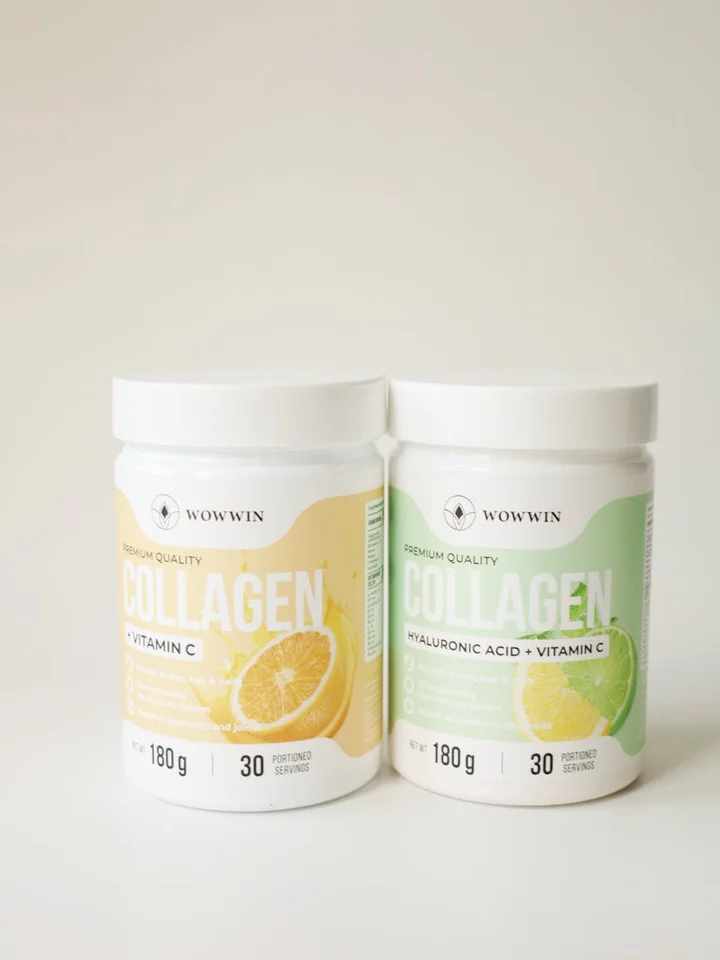
Oral supplements aim to support the springs. They provide the amino acid building blocks your body uses to produce collagen everywhere, from your skin to your joints. This is a longer-term strategy for improving skin elasticity and hydration from within. For someone like Noah, who has dry, reactive skin, an oral supplement can be a gentle way to support overall skin health without applying new topicals.
For targeted surface hydration and a smoother look, choose a topical. For supporting overall skin structure and health from the inside out, consider an oral supplement.
Your Step-by-Step Serum Routine
Adding a collagen peptide serum is simple. Consistency is your best friend here.
- Cleanse: Start with a clean, dry face.
- Prep (Optional but Helpful): Spritz your face with a toner or a mist of water. Peptides absorb well into slightly damp skin.
- Apply Serum: Dispense a pea-sized amount. Gently press and pat it onto your face and neck, avoiding the direct eye area.
- Layer Up: Follow with your other treatments, then a moisturizer to seal everything in.
- Protect: In the morning, your final step is always a broad-spectrum sunscreen.
You can use it morning or night. I often recommend nights for those starting out, as it’s one less step in a busy morning.
Powerful Pairings
Collagen peptides play well with others. Pairing them strategically can boost your results.
- With Vitamin C: This is a classic duo. Vitamin C is a cofactor for your body’s natural collagen production. Using a Vitamin C serum in the morning and your peptide serum at night is a powerful one-two punch.
- With Hyaluronic Acid (HA): Think of peptides as the support crew and HA as the hydration magnet. Using an HA serum before your peptide serum can draw in extra moisture, making plumping effects more noticeable.
Layering a hydrating ingredient like hyaluronic acid under your peptide serum can make the visible plumping effect even better.
Answering Your Questions
“Do collagen peptides break a fast?” Yes, they do. Collagen peptides are a form of protein, and consuming calories (from protein, fat, or carbs) will technically break a metabolic fast. If you’re fasting for specific health reasons, take your supplement during your eating window.
“Can I use collagen peptides on my face?” Absolutely. When formulated for topical use in serums and creams, they are perfectly safe and beneficial for facial skin. The molecules are small enough to absorb and work in the upper layers of your skin. Peptides in skincare can support collagen and hydration. The FDA does not require pre-market approval for cosmetic peptide products; it regulates safety and labeling.
Choosing a Quality Product
Not all products are created equal. Here’s what to look for:
- Source: Look for “hydrolyzed collagen peptides” from sustainable, cruelty-free sources (like marine or bovine from ethical farms).
- Formulation: For topicals, peptides should be high on the ingredient list. For supplements, choose ones with minimal additives.
- Brand Trust: Opt for transparent companies that share their sourcing and third-party testing practices.
- Patch Test: Always patch test a new serum on a small area of your jawline for a few days to check for any reaction.
Potential Side Effects and Digestive Concerns
Let’s talk about what might happen, especially with oral supplements. Most people tolerate collagen peptides very well, but your body might need time to adjust to a new source of concentrated protein.
The most common side effects are digestive and usually mild. You might experience a feeling of fullness, slight bloating, or changes in your digestion. These often subside within a week or two as your system adapts.
Understanding Digestive Changes
People ask very specific questions, and the answers usually come down to individual digestion.
“Can collagen peptides cause bloating or gas?” For some, yes. It’s often a sign your gut flora is processing the new protein. Starting with a smaller dose can help.
“Can they cause constipation or diarrhea?” Both are possible but less common. Constipation could occur if you’re not drinking enough water with the supplement. Diarrhea might be a temporary reaction to a high dose or an additive in the product (like certain sweeteners). Listening to your body and adjusting your dose is the best way to manage these temporary digestive shifts.
Clearing Up Misconceptions
“Can collagen peptides cause weight gain?” Directly, no. They are not a calorie-dense food that leads to fat gain. In fact, the protein can promote satiety. Any minor weight fluctuation is likely temporary water weight related to digestion, not fat storage.
“Can you take too much collagen peptides?” While there’s no established “toxic” level, more isn’t always better. Your body can only use so many amino acids at once for collagen synthesis. Exceeding 10-15 grams per dose is generally unnecessary and may increase the chance of digestive discomfort. Stick to the recommended serving on your product.
Starting Smart
To minimize any potential side effects, ease into it. If a supplement suggests 10 grams per day, try starting with 5 grams for the first week. Take it with food and a full glass of water. This gives your digestive system a gentle introduction. If you feel good, you can move up to the full dose.
Contraindications & Safety Warnings: When to Be Cautious
While collagen peptides are generally well tolerated, they are not a universal fit for every person or skin situation. Think of it like a favorite sweater, it’s perfect for you, but might irritate someone else’s skin. Being informed helps you make the safest choice, especially when it comes to peptides in skincare for daily use.
When to Pause Before Trying
If your skin is currently in a state of protest, adding a new active is like negotiating during a riot, it rarely goes well. I advise clients like Noah, who has a reactive, dry complexion, to wait before introducing new topicals if they are experiencing a major flare of eczema, rosacea, or dermatitis. Your sole focus should be barrier repair with simple, soothing ingredients. For oral supplements, if you have a history of kidney issues or are on a protein restricted diet, a conversation with your doctor is non negotiable before starting.
When your skin barrier is visibly compromised or you have a systemic health condition, pause and prioritize stabilization first.
Pregnancy & Breastfeeding
This is the clearest scenario for a “consult your doctor” rule. While topical collagen is considered low risk, the data on oral collagen peptide supplements during pregnancy and lactation is not extensive enough for a blanket green light. Your obstetrician or midwife knows your personal health history and can give you the all clear or suggest waiting. It’s a temporary pause for the safest possible outcome.
The Allergy Check: Fish, Eggs, and Beef
This is the most critical practical step. Collagen peptides are derived from animal or marine sources. The label must become your best friend. When you choose a product, consider its potential to support skin elasticity and hydration.
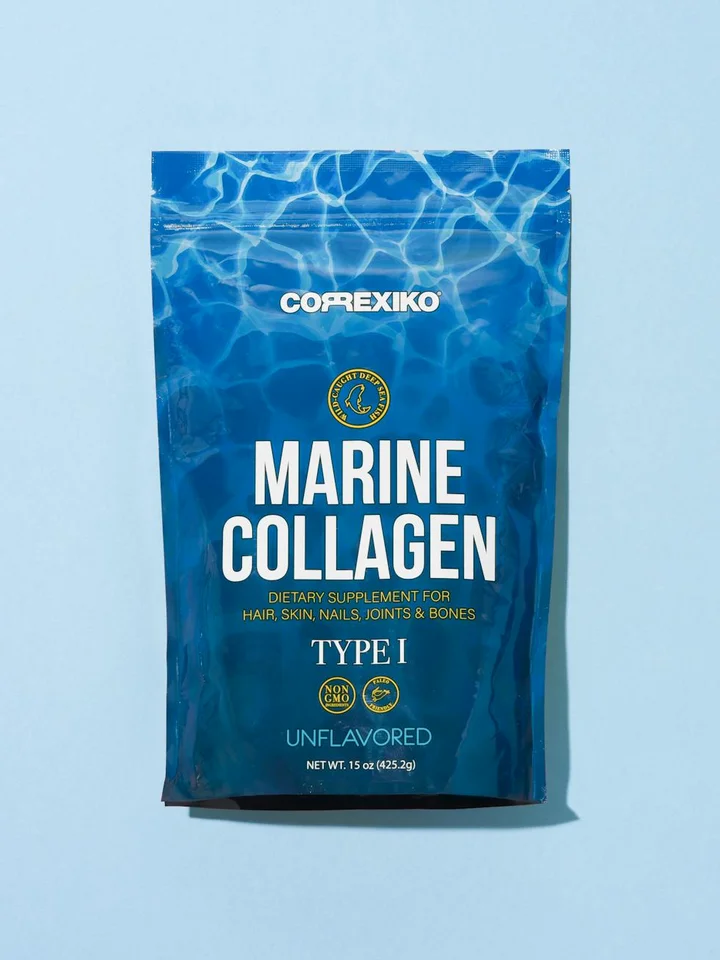
- Marine Collagen: Sourced from fish skins and scales. A definite avoid if you have a fish or shellfish allergy.
- Bovine Collagen: Sourced from cows. Avoid if you have a known beef or bovine allergy.
- Eggshell Membrane Collagen: Sourced from eggs. Avoid with an egg allergy.
For topicals, the risk of a systemic reaction is lower, but applying an allergen directly to your skin can still cause a significant local reaction like hives or severe redness. When in doubt, skip it.
Always check the source on the label if you have food allergies. What nourishes your skin should not risk your health.
Patch Testing for Sensitive Skin
If you, like my client Lina, have sensitive or temperamental skin, a patch test is your first application. This is true for any new serum or cream, collagen based or not. Here’s how to do it properly.
- Apply a small dab of the product (a pea sized amount is plenty) to a discreet area like behind your ear or the inside of your forearm.
- Leave it on for 24 hours without washing it off.
- Watch for any signs of protest: redness, itching, burning, stinging, or raised bumps.
If the area is calm after a day, it’s likely safe to use on your face. If you react, wash the area gently with a mild cleanser and discontinue use. This simple step can prevent a full face flare up.
Avoid Broken or Infected Skin
This rule is absolute. Do not apply any topical collagen product, or any lotion or serum for that matter, over actively broken skin (like scrapes, cuts, or popped acne) or skin that looks infected (oozing, hot, painfully inflamed, or with a yellow crust). The product is not sterile and can introduce more bacteria, delaying healing and potentially worsening an infection. Your skin’s priority here is to heal, not to absorb actives. Focus on keeping the area clean and protected with a sterile bandage if needed.
Active wounds and infections are off limits for topical treatments. Let your skin heal before you focus on rejuvenation.
Your Collagen Peptides Questions, Answered
Can using collagen peptides improve the thickness of my eyelashes and hair?
Yes, it can support them indirectly. The amino acids in collagen peptides serve as building blocks for keratin, the protein that makes up hair and nails, leading to stronger, less brittle strands over time. Additionally, topical retinoids like adapalene are studied for their role in collagen production in the skin. This links collagen’s support for hair and nails to broader skin health.
After reading so many experiences online, what’s a truly realistic “before and after” I can expect?
Focus on consistent, long-term nourishment rather than instant transformation. Most people notice better skin hydration and softness first, with visible improvements in firmness and fine lines becoming clearer after 8-12 weeks of daily use.
What are the immediate signs that a collagen peptide product isn’t right for my skin?
For topical serums, watch for redness, itching, or small bumps within 24 hours, which suggest irritation. With oral supplements, mild digestive changes like bloating can occur but typically resolve as your body adjusts.
Your Skin, Peptides, and Practical Wisdom
The most reliable path to better skin with collagen peptides is a patient one. Think of them as a steady, supportive friend for your skin’s foundation, not a magic eraser for lines and wrinkles. While peptides can support skin health and have anti-aging benefits, they work gradually over time.
- Consistency beats intensity: a daily serum or moisturizer with peptides works better than occasional, heavy use.
- Always pair topical peptides with a broad-spectrum sunscreen; UV damage is the top collagen destroyer.
- Manage expectations: look for gradual improvements in firmness and hydration over several months, not overnight change.
- If you have reactive skin, do a patch test behind your ear for three nights before applying a new peptide product to your full face.
We’re always exploring topics like this on the LuciDerma blog. If you’ve tried peptides and have a story or a question, I’d love to hear from you. Your experience, like Maya’s careful trial of a new serum or Noah’s methodical patch testing, is what helps our whole community learn. Here’s to supporting your skin’s story, thoughtfully and sustainably.
References & External Links
- Collagen Supplements for Aging and Wrinkles: A Paradigm Shift in the Fields of Dermatology and Cosmetics – PMC
- Collagen: What It Is, Types, Function & Benefits
- Effects of Oral Collagen for Skin Anti-Aging: A Systematic Review and Meta-Analysis – PMC
- Collagen supplements: The secret to perfect skin, or marketing hype?
- Top 8 Benefits of Collagen
- Dermatologist Weighs In On Collagen Peptide Treatments
- Collagen benefits: Should I take a supplement? | MD Anderson Cancer Center
Lucy Zimmerman
Lucy is an expert author and blogger when it comes to skin care and body care. She has first hand expertise acting as skin care consultant for over 5+ years helping her clients achieve smooth blemish free skin with natural and working remedies. She also has been an avid experimenter and tried out all the natural and artificial remedies and treatments so you can learn from her first hand experience. Additionally, she has traveled to many countries around the world and incorporated the skin care routines she has learnt into this blog. So, wait no more, reach out to Lucy if you have any specific needs and follow her blog, LuciDerma for expert skin care advice.