
Mixing Adapalene with Glycolic Acid or Salicylic Acid: Your Clear-Skin Roadmap
You’re right to wonder if your Adapalene gel can team up with glycolic or salicylic acid. I guide clients through this puzzle all the time, and the key is in the how, not just the if.
- Pinpoint why mixing these potent ingredients risks irritation and how to tell if your skin can handle it.
- Follow a straightforward, safe method for layering them in your routine if you decide to proceed.
- Explore gentler, effective alternatives like alternating nights, which my client Lina swears by for her combination skin.
- Feel empowered to adjust your plan based on your skin’s daily feedback, moving from guesswork to confidence.
Your path to a smoother, clearer complexion is well within reach.
Your Quick, Sober Answer on Mixing These Ingredients
Can you mix adapalene with glycolic or salicylic acid? Yes, but with strict rules. Think of this as a skilled driving maneuver, not a casual Sunday cruise.
Proceed with extreme caution, not as a free-for-all. These are some of the most potent over-the-counter ingredients you can buy, and combining them without a plan is a fast track to skin misery.
The single biggest risk is damaging your skin barrier, which leads to severe irritation, redness, peeling, and a stinging sensation that makes applying even water painful. I’ve seen clients who mixed them nightly without easing in, and their skin looked like a dry, flaky, angry tomato.
This approach is only for someone who has already used adapalene or a retinoid alone for several months without irritation. If you are a beginner, have sensitive or reactive skin like my client Noah, or are dealing with active eczema or rosacea flares, avoid mixing them entirely. Your skin will thank you for the simplicity.
What Adapalene and Acids Are Doing in Your Skin
To mix safely, you need to know what each player is doing on the field. They’re not teammates; they’re powerful solo artists you’re asking to perform a duet.
Adapalene is a retinoid. Its main job is to speed up skin cell turnover. It tells the older, sluggish cells clogging your pores to move along, and encourages fresher cells to come to the surface. This unclogs pores, smooths texture, and is a gold standard for treating acne.
AHAs, like glycolic acid, are water-soluble. I picture them as a surface polisher. They work on the very top layers of your skin to break the “glue” holding dead skin cells together. This gives you that immediate, smooth glow but doesn’t penetrate deep into pores.
BHAs, like salicylic acid, are oil-soluble. This is your pore cleaner. It can dive into oily pores, dissolve the gunk inside (like sebum and dead skin), and calm inflammation. This is why it’s so great for the blackheads and inflamed bumps my client Maya deals with.
When you combine adapalene with an acid, you’re creating a powerful one-two punch. You’re accelerating turnover from below with the retinoid and decongesting or polishing from above with the acid. This combined effect is incredibly effective for stubborn congestion, but it can easily overwhelm your skin’s ability to keep up, leading to that raw, irritated barrier.
As a final note, while these ingredients are stable, never mix them together in the palm of your hand to create a new super-product. Apply them as separate steps. This gives you control over where and how much each one is applied, which is the cornerstone of safe, effective mixing.
The Mixing Matrix: What Pairs Well and What to Avoid
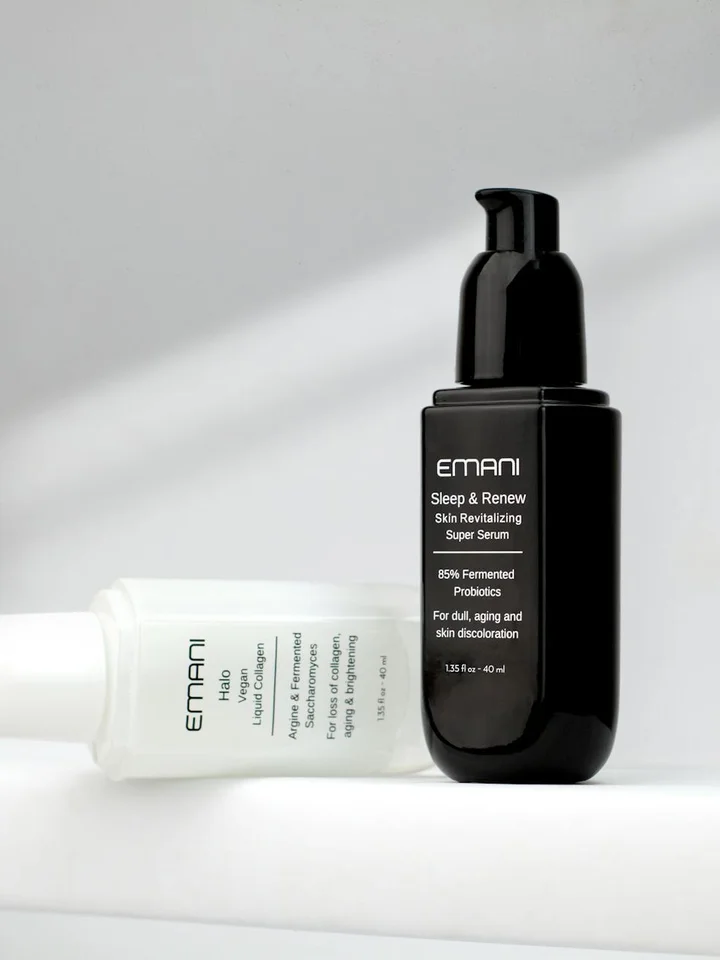
Think of your skincare actives like members of a team. Some work brilliantly in shifts, others will argue if put in the same room. Your goal is to schedule them so they do their jobs without starting a fight on your face.
Here’s a simple “Green Light, Yellow Light, Red Light” system for combining adapalene with exfoliating acids.
- Green Light (Go): Using adapalene and exfoliants (AHA/BHA) on alternating nights. This is the safest, most effective strategy for almost everyone.
- Yellow Light (Slow): Using a gentle, low-concentration BHA product in your morning routine and adapalene at night, only if your skin has proven to be exceptionally resilient and not dry.
- Red Light (Stop): Applying adapalene and an AHA or BHA exfoliant in the same routine, one right after the other. This greatly increases your risk of irritation, a damaged skin barrier, and a painful, flaky setback.
The core conflict is simple: both adapalene and exfoliating acids accelerate your skin’s renewal, and doing that all at once is an overload. Using them simultaneously is like using two strong cleaners on a delicate surface; you’re more likely to cause damage than get a better result. The safe synergy comes from alternation, giving your skin a night to benefit from adapalene’s cellular renewal and another night to benefit from an acid’s surface-level clearing, without the compounded stress.
This approach directly answers can i use adapalene with aha bha and can i use bha and adapalene together-yes, but with strategic spacing.
Can You Use Glycolic Acid (AHA) with Adapalene?
This combination has a very high irritation potential. Glycolic acid is a water-soluble AHA that works on the skin’s surface to dissolve dead cell bonds. Adapalene works deeper in the pore to normalize cell turnover. Using them together can easily lead to stinging, redness, peeling, and a compromised barrier, especially for those with sensitive or dry skin like Noah. If you’re exploring adapalene and glycolic acid together, you’ll want to understand how to minimize irritation and protect the skin barrier. In the next steps, we’ll discuss safe approaches to using adapalene glycolic acid together and what to look out for.
Timing and frequency are your only safe path forward. If you wish to use both, I advise using a glycolic acid product (at a low concentration, like 5-7%) only one or two nights a week, on nights you do not use your adapalene. Always listen to your skin-if you feel any persistent stinging or see unusual dryness, scale back immediately.
Can You Use Salicylic Acid (BHA) with Adapalene?
For someone with oily, acne-prone skin like Maya, this pairing can be slightly more compatible in a carefully managed routine. Salicylic acid is oil-soluble, so it cleans out pores, which complements adapalene’s pore-normalizing action. The danger is over-drying and over-exfoliating.
The biggest risk is using a leave-on BHA treatment in the same session as your adapalene. This is a common path to a tight, irritated, and reactive complexion. A more cautious method is using a BHA cleanser in the morning, which offers a brief contact time, followed by adapalene at night.
Many readers ask about specific products, like can i use adapalene and effaclar duo together. Effaclar Duo often contains salicylic acid (BHA) and LHA. I would not apply them together. If you use a multi-acid product like that, use it on alternate nights from your adapalene, or use the Effaclar Duo as a morning spot treatment only if your skin tolerates it exceptionally well.
How to Build a Routine That Doesn’t Ruin Your Skin Barrier
The golden rule is “slow introduction.” Start by using adapalene just two or three nights a week. Only after your skin adapts (usually after 4-6 weeks) should you consider adding an exfoliating acid on alternate nights. Always apply actives to clean, completely dry skin.
Sample Weekly Schedule for Maya (Oily, Acne-Prone)
- Monday & Thursday: Adapalene Night
- Gentle Cleanser
- Lightweight, Niacinamide Serum (optional, wait to dry)
- Pea-sized amount of Adapalene Gel
- Oil-Free, Non-Comedogenic Moisturizer
- Wednesday & Sunday: BHA Night
- Gentle Cleanser
- Salicylic Acid (BHA) Toner or Serum (2%)
- Wait 20 minutes.
- Soothing, Oil-Free Moisturizer
- Other Nights: Recovery Nights with just cleanser, a hydrating serum, and moisturizer.
Sample Weekly Schedule for Noah (Dry, Reactive)
- Tuesday & Friday: Adapalene Night
- Gentle, Creamy Cleanser
- Hyaluronic Acid Serum on damp skin
- Wait for skin to be fully dry (10-15 mins).
- Pea-sized amount of Adapalene
- Rich, Barrier-Repair Moisturizer with Ceramides
- Sunday Only: Gentle AHA Night
- Gentle, Creamy Cleanser
- Mandelic Acid (a gentler AHA) or very low % Lactic Acid Serum
- Wait 20 minutes.
- Rich, Barrier-Repair Moisturizer
- Other Nights: Hydration-Focused Nights with cleanser, hydrating serums, and moisturizer. Consider a non-active facial oil.
Never “buffer” your adapalene with an exfoliating acid; that’s a direct route to irritation. Also, avoid applying heavy, occlusive ointments over your active treatment nights, as they can increase the intensity and potential for irritation. Save those for your recovery nights. Managing irritation from adapalene is key to maintaining healthy skin.
Red Flags: Is That a Purge, a Breakout, or Irritation?
When you add an exfoliant to your adapalene routine, your skin will talk to you. Learning its language prevents panic and poor decisions, especially when you exfoliate skin that’s already sensitive.
The Retinoid Purge: An Accelerated Timeline
A purge is not a random breakout. It’s a predictable process where adapalene speeds up skin cell turnover, bringing pre-existing, lurking clogs to the surface much faster.
A purge typically happens in areas where you normally get breakouts, and the blemishes are the familiar types you see there-think small whiteheads or blackheads.
It has a limited lifespan, usually peaking around weeks 2-6 and settling down by week 8. If what’s appearing is in new territory or is a cyst when you only ever get blackheads, that’s a clue it might not be a purge.
The Signs of Irritation: Your Skin Saying “Stop”
Irritation is your barrier waving a red flag. It feels distinctly different from a purge.
- Widespread redness, not just around a single pimple
- A persistent stinging or burning sensation when you apply products
- Unusual tightness, dryness, or flaking
- Small, rash-like bumps or itchy patches
Irritation means your skin is overwhelmed and needs you to pull back, not push through.
The True Breakout: A Sign of Clogging or Conflict
A new breakout happens when a product or combination is actually clogging pores or disrupting your skin’s balance.
You’ll see it in areas you don’t typically break out. The blemish types might be different-like deep, painful cysts appearing on your cheeks when you only ever had clogged pores on your forehead. This can signal the formula itself isn’t right for you, or the combined actives are too much.
Let me share a story from my client Lina. She started adapalene and, a few weeks in, added a salicylic acid wash. She saw more bumps on her forehead and chin (her usual zones) that came and went quickly-that was the purge caused by acids doing its job. But then, she developed a patch of tiny, itchy red bumps on her usually clear cheeks that stung with her moisturizer. That was irritation. We paused the acid wash, focused on barrier repair for a week, and the irritation calmed. Later, she reintroduced the wash just twice a week, successfully.
The key is to observe the location, type, and feel of what’s happening on your skin-they tell you the whole story.
Essential Safety Rules and Who Should Skip This Combo
Mixing active ingredients is a privilege, not a right. Your skin’s current health decides if you get a pass.
Who Should Not Mix Adapalene and Exfoliants
This combination is strictly off-limits in these situations:
- During pregnancy or breastfeeding. Always consult your doctor before using any retinoids or strong exfoliants.
- If you have active eczema, rosacea flares, or dermatitis. Your skin barrier is already compromised and needs repair, not stimulation.
- If your skin barrier is damaged from over-exfoliation (think raw, shiny, super tight skin).
- For at least one week after any professional procedure like chemical peels, laser treatments, or dermabrasion.
Non-Negotiable Safety Tips for Everyone Else
If your skin is healthy and resilient, these rules are your foundation.
You must apply a broad-spectrum SPF 30 or higher every single morning, without exception. Both adapalene and AHAs/BHAs increase sun sensitivity dramatically.
Moisturizing is mandatory, not optional. Think of it as the essential buffer that keeps your barrier intact. Apply your moisturizer after your treatments.
Always start with clean, dry hands and a clean face to prevent introducing bacteria to sensitized skin.
Introduce one new product at a time, and patch test the exfoliant on a small area of your jawline for a week before using it all over.
Plan B: Gentle Alternatives for Exfoliation
If your skin feels sensitive or you fall into a “skip it” category, you still have great options.
Azelaic acid is a brilliant alternative. It gently exfoliates, fights acne bacteria, and helps with redness without being harsh. Many of my clients with reactive skin, like Noah, find it incredibly effective and soothing, especially for rosacea and redness.
PHAs (like gluconolactone) are larger molecules that exfoliate only the surface of the skin. They hydrate as they work and are much less likely to cause stinging or irritation, making them perfect for sensitive or drier skin types.
Effective skincare doesn’t have to feel punishing. Choosing the right active for your skin’s current condition is the smartest move you can make.
What to Do When Your Skin Says “Enough”
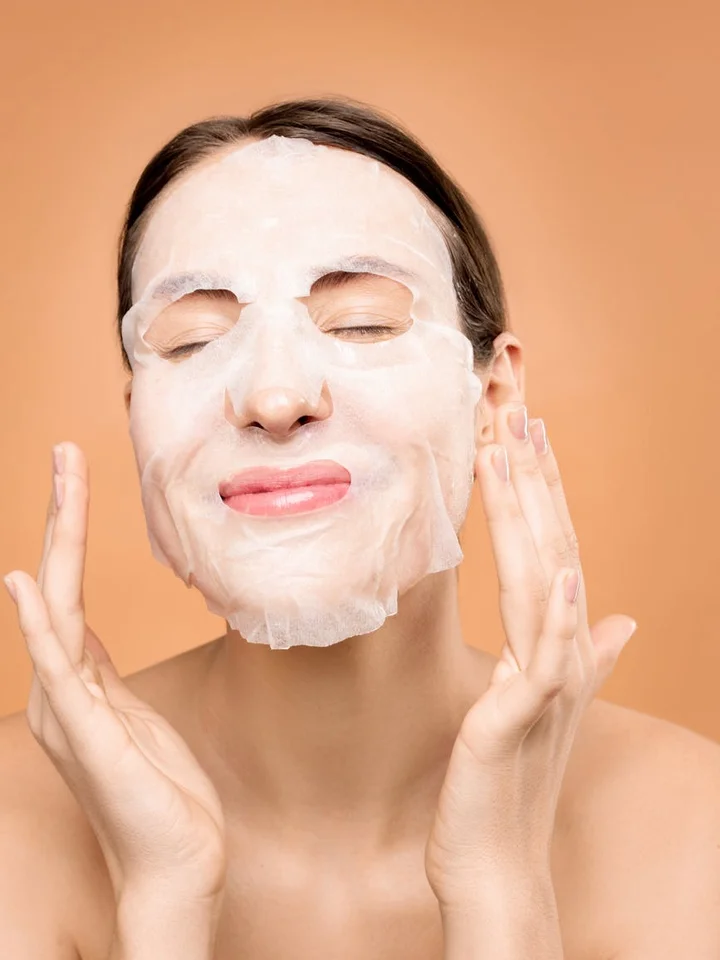
Your skin feels tight, looks red, stings with every product, and flakes in places it never did before. This is your barrier waving a white flag. Think of it like a brick wall where the mortar has cracked. Your job isn’t to scrub the bricks, it’s to patiently repair the mortar. I call this phase the “skin reset,” and it’s your path back to calm.
The 5-Step “Skin Reset” Recovery Routine
For the next 5-7 days, follow this simple, comforting routine. Think of it as a vacation for your skin.
- Cleanse: Use a gentle, creamy, fragrance-free cleanser with lukewarm water, only in the PM. In the morning, just splash with water.
- Hydrate: While skin is still damp, apply a hydrating toner or essence with ingredients like glycerin or hyaluronic acid. This helps pull water into the skin.
- Soothe: Layer a dedicated calming serum. This is your recovery workhorse.
- Repair: Apply a richer, occlusive moisturizer packed with barrier-repair ingredients to seal everything in.
- Protect (AM only): Every single morning, finish with a gentle, mineral-based sunscreen (zinc oxide/titanium dioxide).
This routine removes potential irritants and focuses solely on hydration, soothing, and physical protection.
Your Soothing Ingredient Toolkit
Look for these heroes in your moisturizers, serums, and cleansers during your reset. They’re like a cool compress in bottle form.
- Ceramides: These are the lipids that literally glue your skin cells together. They replenish your barrier’s natural mortar.
- Centella Asiatica (Cica): A superstar anti-inflammatory. It calms redness and irritation almost on contact. My client Noah, with his reactive skin, swears by it.
- Oatmeal (Colloidal Oatmeal): It’s not just for baths. It forms a protective film on the skin, relieving itch and dryness instantly.
- Panthenol (Vitamin B5): A profound hydrator that also supports your skin’s healing process.
- Niacinamide (at 5% or less): Helps regulate your barrier’s response and reduces inflammation without being an aggressive active.
Hitting Pause and Planning a Safe Restart
Stop all prescription retinoids (like your adapalene), AHAs, BHAs, and physical scrubs the moment you feel persistent stinging or see unusual redness. This isn’t a suggestion, it’s a requirement. Continuing will only dig the hole deeper.
Once your skin has been completely calm, non-reactive, and back to its normal texture for a full week, you can consider reintroducing one active. Not before.
Start with just one product, once a week, on dry skin at night. Watch for any return of irritation over the next 48 hours. Do not reintroduce adapalene and an acid on the same night ever again. The goal is to find a sustainable schedule, like using adapalene on Monday and Thursday and a BHA only on Sunday.
When to Call in Professional Reinforcements
You can manage most irritation at home with a reset. But you should schedule an appointment with a dermatologist or your prescribing doctor if:
- The burning, stinging, or redness is severe and doesn’t start improving after 3-4 days of your gentle routine.
- You develop a rash, widespread bumps, or oozing that looks like an infection.
- The irritation happened even though you were using the products as directed and with proper spacing.
- You feel unsure or anxious about how to move forward safely.
A dermatologist can assess your skin’s specific damage, adjust your prescription strength or vehicle, and create a personalized reintroduction plan that keeps you on track without the setback. They are your best ally for long-term success.
Your Mixing Questions, Answered
What’s the safest way to time an acid if I use Adapalene at night?
Use your exfoliating acid (AHA or BHA) in the morning and your Adapalene at night, but only if your skin is highly resilient and not dry. For most people, using them on completely alternate nights is the most reliable strategy to avoid overwhelming your skin.
Does it matter if the acid is a cleanser versus a leave-on treatment?
Yes, absolutely. A rinse-off acid cleanser poses a much lower risk of irritation than a leave-on serum or toner when combined with Adapalene. If you want to incorporate both, starting with a BHA cleanser in the morning is a more cautious first step.
Once my skin is clear, should I keep using both?
Often, no. Once your primary concern (like acne or congestion) is managed, you may only need Adapalene for maintenance. You can drop the extra acid or use it infrequently, as continuous combined use long-term can unnecessarily stress your skin barrier.
Your Strategy for Sensitive, Effective Skin Care
Mixing Adapalene with exfoliants like glycolic or salicylic acid is possible, but patience is your best ingredient. Always prioritize your skin barrier by introducing new products slowly and watching for signs of comfort, not just results. I guide my clients to build tolerance over weeks, not days, to avoid the redness and peeling that come from rushing.
- Use Adapalene and exfoliants on separate nights, never layering them together.
- Begin exfoliating just once a week, and only after your skin tolerates Adapalene alone.
- If your skin feels tight or looks flushed, take a break from all actives and focus on hydration.
- Choose a gentle, fragrance-free moisturizer to apply after Adapalene or on exfoliation nights.
- Apply a broad-spectrum sunscreen every morning without fail-it protects your progress.
Think of your routine as a conversation with your skin, not a set of rules. If you’re unsure where to start, remember clients like Noah who found balance by spacing out their potent products. I’m here to help navigate these choices, so reach out with your questions on the LuciDerma blog where we focus on safe, sustainable care. Your trust and your skin’s well-being are what matter most.
References & External Links
- The efficacy of glycolic acid, salicylic acid, gluconolactone, and licochalcone A combined with 0.1% adapalene vs adapalene monotherapy in mild-to-moderate acne vulgaris: a double-blinded within-person comparative study – PMC
- Can Adapalene and Glycolic Acid Be Used Together | TikTok
- Adapalene Skin Care Benefits – All You Need to Know | Get Healthy Skin
- r/SkincareAddiction on Reddit: Is it ok to use salicylic acid, benzoyl peroxide, and adapalene in the same routine? [routine help]
- [PDF] The efficacy of glycolic acid, salicylic acid, gluconolactone, and licochalcone A combined with 0.1% adapalene vs adapalene monotherapy in mild-to-moderate acne vulgaris: a double-blinded within-person comparative study | Semantic Scholar
- Efficacy and safety of serial glycolic acid peels and a topical regimen in the treatment of recalcitrant melasma – PubMed
- Adapalene topical and salicylic acid topical Interactions – Drugs.com
- Can I Use Salicylic Acid Cleanser and Differin Gel | TikTok
- The Dos and Don’ts of Mixing Skincare Ingredients – FASHION Magazine
- How to use salicylic acid, glycolic acid, and adapalene for a skin care routine? Like on which day in weak (I’ve very oily skin with pores) – Quora
Lucy Zimmerman
Lucy is an expert author and blogger when it comes to skin care and body care. She has first hand expertise acting as skin care consultant for over 5+ years helping her clients achieve smooth blemish free skin with natural and working remedies. She also has been an avid experimenter and tried out all the natural and artificial remedies and treatments so you can learn from her first hand experience. Additionally, she has traveled to many countries around the world and incorporated the skin care routines she has learnt into this blog. So, wait no more, reach out to Lucy if you have any specific needs and follow her blog, LuciDerma for expert skin care advice.