
Sugar Beet Betaine: Your Skin’s Natural Hydrator and Protector
You might spot ‘betaine’ on a serum label and wonder what this plant-based ingredient actually does. As an esthetician, I love breaking down how betaine, often from sugar beets, works behind the scenes to support resilient, happy skin.
By the end of this article, you’ll be empowered to:
- Identify what betaine is and why it’s a star in cruelty-free, botanical formulas.
- Understand how it draws moisture deep into your skin as a humectant for lasting hydration.
- See its role as an osmoprotectant that helps shield your skin from daily stressors like dryness and irritation.
- Recognize how it stabilizes your favorite products so they work effectively every time you use them.
Let’s look at how this humble ingredient makes a big difference for skin like yours.
Meet Betaine: Nature’s Sugar Beet Super-Hydrator
Let’s get to know betaine. In simple terms, it’s a super-water-loving molecule that plants like sugar beets make to survive dry spells. Think of it as a plant’s internal hydration reserve.
We source it sustainably from sugar beets. It’s a byproduct of sugar production, which means we’re using something that already exists instead of creating new waste. The extraction is gentle, often involving water, to keep the molecule’s natural structure intact.
Here’s my favorite way to picture it: imagine a plant cell is a tiny, fragile water balloon. When the environment gets dry or harsh, that balloon wants to shrivel and collapse. Betaine rushes in to help it stay plump and resilient against the stress.
In your skincare, betaine has three key jobs. It holds onto water like a champion, protects delicate ingredients (and your skin cells) from stress, and acts as a peacekeeper to keep the whole formula stable. It’s a multitasker, especially when combined with amino acids like tyrosine.
Betaine Molecule Spec Sheet
| Common Name | Betaine (from Sugar Beet) |
| Typical pH in Formula | Neutral (compatible with most skincare pH levels) |
| Effective Concentration | 2-5% in leave-on products |
| Solubility | Highly soluble in water |
| Safety Profile | Excellent; well-tolerated, non-irritating, recognized as safe by global regulators. |
How Betaine Works Its Triple Threat Magic
Now, let’s break down each of its superpowers. Understanding this helps you see why it’s quietly sitting in so many effective formulas.
The Humectant: Your Skin’s Internal Water Magnet
As a humectant, betaine is like a microscopic sponge. It draws moisture from two places: the humidity in the air around you and the deeper layers of your skin itself. It brings that water to the surface, helping your skin’s outer layer stay hydrated.
The real win is its texture. Unlike some heavier humectants that can feel tacky, betaine delivers deep hydration without any sticky residue. This is why I often recommend products with betaine to my client Maya, who has oily, acne-prone skin. She needs hydration that feels like nothing on her skin, and betaine provides that. It’s like giving your skin a drink of water instead of a syrup.
The Osmoprotectant: The Plant (and Skin) Cell Guardian
“Osmoprotectant” is a big word for a simple, brilliant function. It means betaine protects cells from osmotic stress-basically, sudden changes in their water balance that can damage them.
In a bottle, it shields fragile botanical extracts from breaking down. On your face, it does the same for your skin cells. When you use potent actives, face dry winter air, or even wash with hard water, your cells experience stress. Betaine acts like a microscopic shock-absorber, helping them maintain their balance and integrity.
This makes it a hero for reactive or sensitive skin types, like my client Noah. It helps fortify his skin barrier so it’s less likely to flare up from other ingredients or environmental triggers. This aligns with how pH-balanced skincare formulations support barrier health. When a product respects skin pH, it helps keep the barrier resilient against irritants.
The Stabilizer: The Formulation’s Peacekeeper
This is the behind-the-scenes work that makes your product reliable. Betaine helps keep the texture of a lotion or serum smooth and consistent from the first pump to the last. It prevents ingredients from separating or the formula from becoming grainy.
More importantly, it helps stabilize other valuable actives in the mix. Ingredients like vitamin C or certain peptides can be fragile and lose their potency over time. By maintaining a stable environment, betaine helps ensure those expensive actives are still effective when they meet your skin. You get what you paid for, all the way to the bottom of the bottle.
Why Your Skin Loves Betaine More Than Other Humectants
Think of humectants as your skin’s personal hydration managers. While glycerin and hyaluronic acid are the famous ones, betaine is the efficient, versatile team player you learn to rely on. Here’s how they stack up.
Glycerin is a classic, powerful hydrator, but it can feel a bit thick or sticky on the skin, especially in higher concentrations. Hyaluronic acid is brilliant at holding water, but its effectiveness can depend on the humidity in the air; in dry climates, it might pull moisture from deeper layers of your skin if not sealed in properly. In dry climates, hyaluronic acid can dehydrate the skin if it’s not sealed with a moisturizer. Pairing it with a barrier helps lock hydration in.
Betaine operates differently. It’s a smaller, more agile molecule. It draws in water without creating that heavy, tacky film. The result is a surge of hydration that feels instantly refreshing and weightless, never like a layer of syrup on your face.
Its real superpower, though, is acting as an osmoprotectant. This is a clinical term for a simple, protective action. When skin cells are stressed by things like dryness, pollution, or other ingredients, betaine helps stabilize them. It protects their structure, preventing them from shriveling up or becoming damaged. Glycerin and HA hydrate; betaine hydrates *and* shields.
This makes it a hero for every skin type, but especially for skin like my client Noah’s – reactive, dry, and intolerant of heavy creams. It gives his skin the deep drink of water it craves without any sensation of suffocation or residue, unlike many moisturizers that can feel heavy.
Chemist’s Note: The Texture Trick
Here’s a formulator’s secret: betaine is a dream for product feel. When you add it to a cleanser, it creates that luxurious, slippery glide that rinses clean without tightness. In a serum or lotion, it imparts a silky, smooth application that makes the product feel high-tech and elegant. It delivers a perceptible upgrade in texture, turning a basic formula into a sensory pleasure, all while doing its hydrating job invisibly.
How to Formulate With Betaine: A Pro’s Guide
If you’re making your own skincare or just want to understand your products better, here’s what goes on behind the scenes with betaine. You’ll also see how comedogenicity testing is used to screen betaine-containing formulas. This helps when evaluating skincare products for pore-clogging potential.
For most leave-on products like serums and moisturizers, an effective concentration ranges between 2% and 5%. This is enough to see significant hydrating and protecting benefits without compromise. In rinse-off cleansers, you can use it at 1-3% to achieve that signature smooth feel.
It’s a water-soluble ingredient, so it’s typically added to the water phase of a formulation. You’ll find it in clear gel serums, milky toners, light lotions, rich creams, and foaming washes. Its versatility is a major reason chemists love it, especially when compared to oil-based actives.
Betaine plays exceptionally well with other calming, botanical staples. Consider it a perfect partner for:
- Aloe Vera: Both are soothing and hydrating. Betaine helps stabilize aloe’s beneficial compounds, making the calming power last longer in the bottle and on your skin.
- Centella Asiatica (Cica): This pairing is a powerhouse for sensitive, compromised skin. While centella works to repair, betaine protects and hydrates the cells doing the work.
- Green Tea Extract: Betaine helps counteract potential dryness from potent antioxidants, ensuring the skin stays quenched and comfortable while fighting environmental damage.
Stability is generally excellent, but one note for formulators: betaine can be sensitive to very high heat for prolonged periods. Always add it to your water phase after the initial heating and cooling cycle, during the final mixing stage, to preserve its efficacy. It’s compatible with most other ingredients, but avoid pairing it with very high concentrations of strong acids (like direct 50% citric acid) in their raw form, as this can alter its pH. In a finished, balanced product, this is rarely an issue.
Is Betaine Safe, Sustainable, and Science-Backed?
Let’s start with the science. Betaine isn’t just marketing fluff. It’s a workhorse with research backing its two main jobs in your skin cells: hydrating and protecting.
As a humectant, it draws water into the outer layer of your skin, the stratum corneum. Think of it like a microscopic sponge that helps plump up the surface. But its superpower is acting as an osmoprotectant.
An osmoprotectant is a cellular bodyguard that shields your skin from stress caused by drying environments, like cold wind or low humidity. When skin gets dehydrated, the salt concentration inside cells can rise dangerously high, damaging them. Betaine steps in to balance this, helping cells retain moisture and stay healthy. This is why it’s so valuable for anyone with dry or reactive skin, like my client Noah, who finds it helps his barrier feel more resilient against weather changes.
From Field to Face: A Sustainable Loop
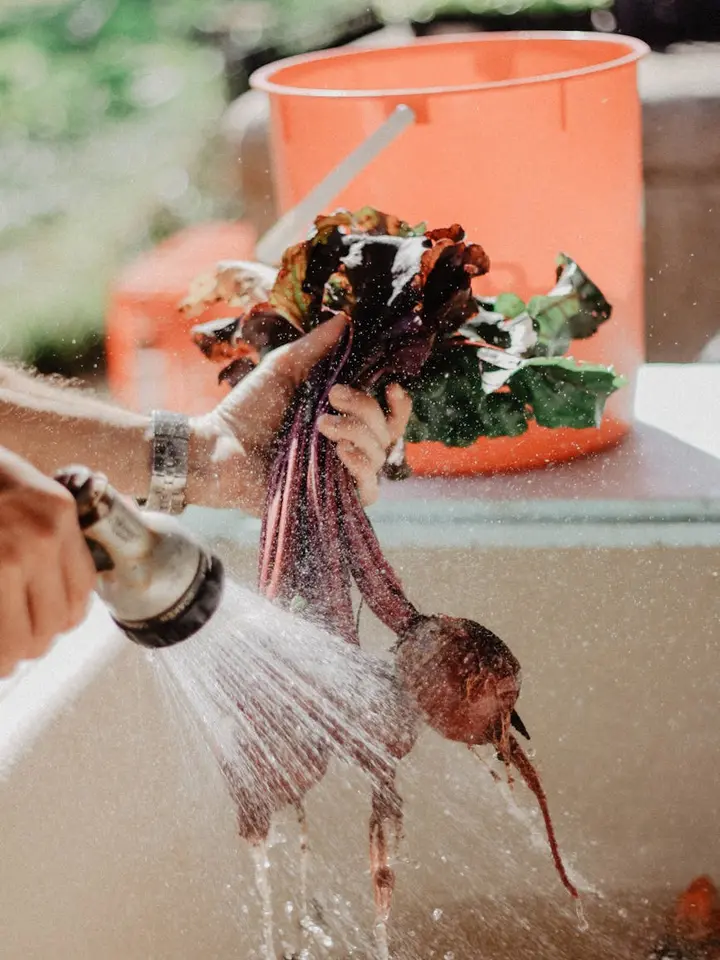
You might wonder where this ingredient comes from. The betaine in your skincare is typically derived from sugar beets. It’s often a byproduct of sugar production, meaning we’re using a part of the plant that might otherwise go to waste.
This makes sugar beet-derived betaine a win for sustainable formulation, turning an agricultural co-product into a high-performance skin care ingredient. For brands committed to green chemistry, like LuciDerma, it’s a thoughtful choice that aligns with a cruelty-free and eco-conscious ethos.
Safety and Gentleness You Can Trust
Betaine has an excellent safety profile. It’s recognized as safe for use in cosmetics by regulatory bodies worldwide, including the European Union and the U.S. Food and Drug Administration (FDA). Unlike some peptides used in skincare, betaine is generally considered safe for daily use by most individuals.
In clinical studies, it is consistently shown to be well-tolerated, even by those with sensitive skin. It’s naturally mild, non-irritating, and helps formulas feel soothing.If you have skin that stings with strong actives, a product with betaine can offer hydration without the backlash, making it a reliable friend in any routine. As always, I recommend a patch test behind your ear for any new product if you have known sensitivities—especially when you apply potent treatments like tretinoin to delicate areas.
Finding Betaine in Your Products: A Smart Shopper’s Checklist

Now that you know why it’s great, let’s find it. Shopping for ingredients doesn’t need to be confusing.
Decoding the Label
Look for the word “Betaine” on the ingredient list (its International Nomenclature of Cosmetic Ingredients or INCI name is simply Betaine). It’s often found in the middle of the list, indicating a supportive but meaningful concentration.
Trust your senses, too. A product with betaine often delivers an immediate, weightless sense of hydration-like a drink of water for your skin that doesn’t leave a sticky film. My client Lina describes the feeling as “fresh and quenched,” especially in her combo skin’s drier areas.
Where to Look for Maximum Benefit
To get the most from betaine, focus on these product types:
- Hydrating Serums and Toners: These lightweight layers are perfect for delivering humectants like betaine deep into your skin. Use them on damp skin after cleansing.
- Calming Moisturizers and Day Creams: Here, betaine works with emollients and occlusives to both attract water and lock it in, strengthening your skin’s barrier throughout the day.
- Soothing After-Sun or Post-Treatment Products: Its osmoprotectant role makes it ideal for formulas designed to help skin recover from irritation or dehydration.
Choosing with Your Values
When you select a product with betaine, you have an opportunity to support broader positive practices. Look for brands that are transparent about their sourcing.
Prioritizing ingredients like sustainably sourced sugar beet betaine is a sign of a brand that considers environmental impact at every step, which is a core value we uphold at LuciDerma. It’s a small choice that contributes to a more thoughtful beauty industry.
Your Betaine Questions, Answered
What’s an effective and safe concentration of betaine in a product?
For leave-on products like serums and moisturizers, a 2-5% concentration is typically ideal for delivering hydrating and protecting benefits without compromise. It has an excellent safety profile and is well-tolerated, even by sensitive skin types, especially when compared to higher retinol percentages used for anti-aging effects.
How does betaine change the feel of a product on my skin?
Betaine is known for imparting a luxurious, silky-smooth texture without any sticky or tacky residue. This makes it a favorite for formulations where a weightless, quenching feel is key, especially under other products or makeup.
Which botanical ingredients does betaine work best with?
Betaine is particularly synergistic with soothing botanicals like Aloe Vera and Centella Asiatica, where it helps stabilize actives and enhance barrier support. It also pairs beautifully with antioxidants like green tea, ensuring skin stays hydrated and comfortable.
Putting Betaine to Work for Your Skin
Think of betaine as a quiet, multi-talented helper in your skincare, drawing in moisture and calming irritation without any fuss. My simplest advice is to welcome this sugar beet derivative into your routine for resilient, well-hydrated skin that feels comfortable day after day.
- Seek out betaine in hydrating toners and serums, applying them to slightly damp skin.
- Use it to buffer stronger active ingredients, reducing potential sensitivity.
- Look for it in formulas for stressed or dehydrated skin to help restore balance.
- Choose brands that prioritize ethical, sustainable sourcing of their botanical ingredients.
If you’re wondering how betaine might fit with your specific skin type-like Maya’s oily skin or Noah’s reactive complexion-I’m here to help. Your thoughtful questions guide what we explore next, so keep sharing them. For more clear, caring guidance you can trust, follow along right here on the blog.
Deep Dive: Further Reading
- Betaine
- Betaine Powder – Naturally Balmy
- Skincare Products containing Betaine | LABRAINS
- Ingredient Spotlight: Betaine – Soon Skincare
- Betaine – plant-based hydrator & cell protector
Lucy Zimmerman
Lucy is an expert author and blogger when it comes to skin care and body care. She has first hand expertise acting as skin care consultant for over 5+ years helping her clients achieve smooth blemish free skin with natural and working remedies. She also has been an avid experimenter and tried out all the natural and artificial remedies and treatments so you can learn from her first hand experience. Additionally, she has traveled to many countries around the world and incorporated the skin care routines she has learnt into this blog. So, wait no more, reach out to Lucy if you have any specific needs and follow her blog, LuciDerma for expert skin care advice.